






What's Happening?
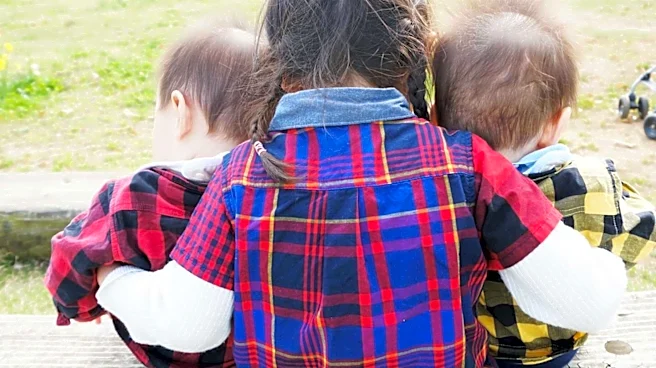
A study of older adults, originally published in 1989, categorized adult sibling relationships into five distinct types: Intimate, Congenial, Loyal, Apathetic, and Hostile. These classifications are based on the level of closeness, frequency of contact,
and how siblings describe their interactions. The 'Intimate' type, where siblings are best friends and confide in each other first, is the rarest. The 'Congenial' type, characterized by warm, friendly, and regular contact, is the most common in adult life, though siblings in this category prioritize partners, children, and closest friends over their siblings. 'Loyal' siblings maintain contact primarily out of family duty, showing up fully during crises despite limited day-to-day interaction. 'Apathetic' relationships involve little contact or strong feelings, often thinning after parents pass away. 'Hostile' relationships are marked by resentment, anger, and avoidance, frequently stemming from past grievances like parental favoritism or inheritance disputes. These classifications help explain the varied dynamics observed within families.
Why It's Important?
Understanding these sibling relationship types is crucial for individuals navigating their own family dynamics and for broader societal understanding of familial bonds. Sibling relationships are often the longest-lasting in a person's life, beginning before choice and typically outliving parents. The nature of these relationships can significantly impact an individual's emotional well-being and support system throughout adulthood. For instance, intimate or congenial relationships can provide strong emotional support, while hostile ones can be a source of ongoing stress. The study highlights that factors like age gap, birth order, parental fairness, and major life events influence these bonds. Recognizing these types can help individuals manage expectations, understand the roots of conflict or closeness, and potentially improve strained relationships by acknowledging the underlying dynamics. The prevalence of congenial relationships suggests that many adults maintain a supportive, yet not primary, connection with their siblings, which can still be a vital source of shared history and occasional support.
What's Next?
The insights from this typology can be applied to various fields, including family counseling, social work, and personal development. Individuals can use this framework to better understand their own sibling relationships and potentially identify areas for improvement or acceptance. For example, recognizing a 'Hostile' dynamic might prompt a reevaluation of interaction strategies or the establishment of healthier boundaries. Further research could explore how these relationship types evolve over time, especially in response to significant life changes such as marriage, parenthood, or the loss of parents. Additionally, studies could investigate the impact of cultural differences on these sibling typologies, as the original study focused on older adults, likely within a specific cultural context. The application of personality theories, such as Socionics mentioned in the source, could also offer more nuanced explanations for why certain sibling pairs fall into particular categories, suggesting personalized approaches to fostering stronger bonds.
Beyond the Headlines
The study's findings delve into the profound and often unchosen nature of sibling bonds, highlighting their unique position in an individual's life. Unlike friendships or romantic partnerships, sibling relationships are forged by shared history and family ties, making them inherently complex and enduring. The concept that 'distance' can improve tense relationships, allowing siblings to interact on their own terms rather than daily, offers a valuable perspective on managing difficult family dynamics. This suggests that physical or emotional space can sometimes be a catalyst for healthier, albeit less frequent, interactions. Furthermore, the idea that comfortable relationships can deepen with chosen contact underscores the importance of intentional effort in maintaining positive sibling connections. The study implicitly touches upon the psychological impact of birth order and parental treatment, suggesting that early family experiences cast long shadows on adult sibling interactions. This deeper understanding can foster empathy and self-awareness, helping individuals navigate the intricate tapestry of their family relationships with greater insight and resilience.