







What's Happening?
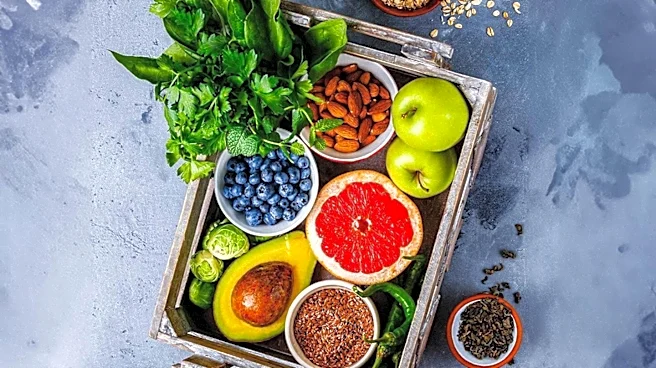
The concept of 'superfoods' has evolved from general nutrient lists to functionally targeted blends, driven by increasing consumer demand for specific health benefits. While traditional superfoods like berries, fatty fish, leafy greens, nuts, olive oil,
whole grains, fermented dairy, cruciferous vegetables, legumes, and tomatoes remain foundational, the market now sees a surge in formulated products. These blends, often in powders, capsules, or ready-to-mix formats, aim to deliver synergistic benefits, particularly for gut-immunity support, high-quality protein integration, and cognitive/mood enhancement. The global superfoods market is projected to reach $396.02 billion by 2034, indicating a significant shift towards products that offer measurable functional protein, prebiotic fiber, or standardized adaptogens, rather than just botanical fillers. Consumers are increasingly seeking transparency in ingredients and clinically relevant doses of bioavailable compounds.
Why It's Important?
This trend signifies a maturing consumer understanding of nutrition, moving beyond generic health claims to a demand for evidence-based benefits. For the U.S. health and wellness industry, this means a greater emphasis on product formulation, ingredient transparency, and third-party verification. Companies that can provide clear quantification of bioactive compounds, probiotic strain specificity, and fiber types will gain a competitive edge. This shift also impacts public health by encouraging a more informed approach to dietary supplementation, potentially leading to better health outcomes for individuals who genuinely need to fill nutritional gaps. However, it also presents challenges, as the cost per gram of active compounds in formulated products can be significantly higher than whole foods, and the complexity of formulations increases the risk of allergen cross-contact and potential interactions with medications. Consumers who already maintain a diverse, whole-food diet may find diminishing returns from these supplements.
What's Next?
The superfoods market is expected to continue its growth trajectory, with a focus on innovation in product delivery and ingredient sourcing. Manufacturers will likely invest more in research and development to create blends that offer precise dosing and enhanced bioavailability. There will be an increased demand for products with clear Certificates of Analysis (CoAs) and third-party certifications to assure potency and purity. Consumers will become more discerning, prioritizing products that avoid proprietary blends and vague ingredient descriptions. The industry may also see a rise in personalized nutrition solutions, where superfood blends are tailored to individual dietary needs and health goals. Educational initiatives will be crucial to help consumers differentiate between effective supplements and marketing hype, encouraging them to consult healthcare professionals before incorporating new superfood products into their routines.
Beyond the Headlines
The evolving superfoods market reflects a broader societal trend towards proactive health management and a desire for natural, food-based solutions. This movement has ethical implications regarding sustainable sourcing of exotic ingredients and ensuring fair trade practices. Legally, there will be increased scrutiny on health claims made by manufacturers, pushing for stricter regulations and clearer labeling to protect consumers from misleading information. Culturally, the emphasis on 'superfoods' can sometimes lead to an over-reliance on supplements, potentially overshadowing the importance of a balanced diet rich in diverse whole foods. The long-term impact could be a more sophisticated approach to nutrition, where supplements are viewed as targeted tools to complement, rather than replace, a healthy lifestyle, fostering a greater appreciation for the complex interplay of nutrients in whole foods.