





What's Happening?
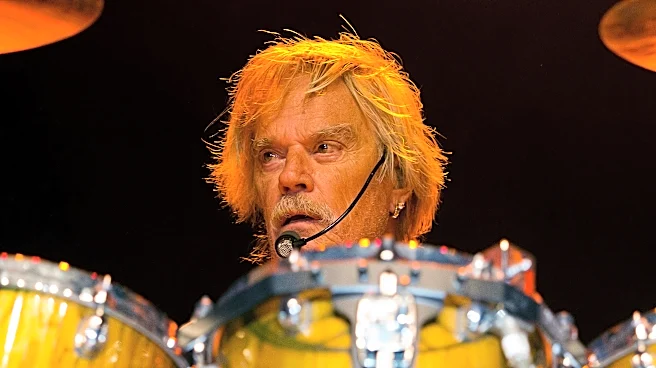
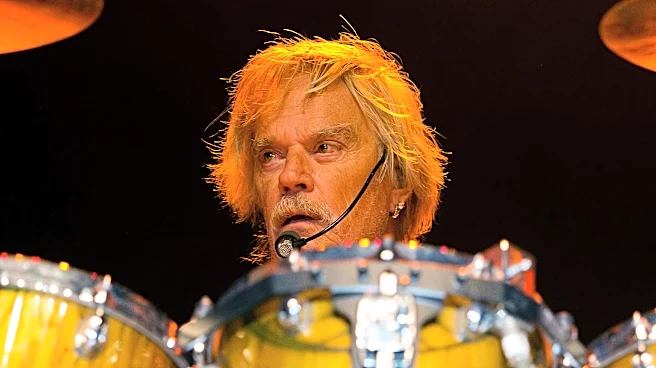
The Hollies, the iconic British Invasion-era band, have announced the end of their touring career after more than six decades. This decision comes as guitarist Tony Hicks and drummer Bobby Elliott, the band's two longest-serving members, are stepping
away from live performances. Hicks's decision is attributed to health reasons, while Elliott chose to retire alongside him out of respect for their shared journey. The band released a statement expressing immense gratitude to their fans worldwide. Hicks joined The Hollies in February 1963, and Elliott followed in August of the same year, solidifying the classic lineup alongside Allan Clarke and Graham Nash. They remained constant members through various personnel changes, performing hits such as 'Bus Stop,' 'He Ain't Heavy, He's My Brother,' and 'The Air That I Breathe.'
Why It's Important?
The retirement of The Hollies from touring marks the end of an era for one of the most enduring bands from the British Invasion. Their continuous touring for over 60 years, broken only by the pandemic, highlights their remarkable longevity and dedication to live performance. This announcement signifies a generational shift in the music industry, as fewer bands from that era continue to actively tour. For fans, it represents the final opportunity to experience their live music, potentially leading to increased interest in their recorded catalog and legacy. The departure of Hicks and Elliott, who were integral to the band's sound and live presence, underscores the challenges of maintaining a band's original lineup and energy over such an extended period. Their induction into the Rock and Roll Hall of Fame in 2010 further solidifies their significant contribution to music history.
What's Next?
While The Hollies' touring career is concluding, the statement did not specify the future of their recorded output or the remaining members of the touring lineup, which included Ray Stiles, Ian Parker, Peter Howarth, and Steve Lauri. It is possible that the band may focus on archival releases, re-issues, or other projects that do not involve live performances. Fans may anticipate retrospective documentaries or compilations celebrating their extensive career. The decision by Hicks and Elliott could also inspire other long-standing bands to consider their own touring futures, especially as health and age become more significant factors. The music industry will likely reflect on the legacy of The Hollies and their impact on rock music, particularly their ability to sustain a career for over six decades.
Beyond the Headlines
The Hollies' decision to cease touring reflects a broader trend among veteran musical acts, where the physical demands of extensive tours become increasingly challenging. This move highlights the often-unseen toll that decades of performing can take on musicians. It also brings into focus the concept of legacy in music; as bands like The Hollies step back from live performance, their recorded works and cultural impact become even more central to their enduring presence. The mutual decision of Hicks and Elliott to retire together speaks to the deep personal and professional bonds formed over a lifetime in a band, illustrating the unique camaraderie and shared history that can develop among long-term collaborators. This event serves as a poignant reminder of the finite nature of live music experiences with original or long-standing members.