






What's Happening?
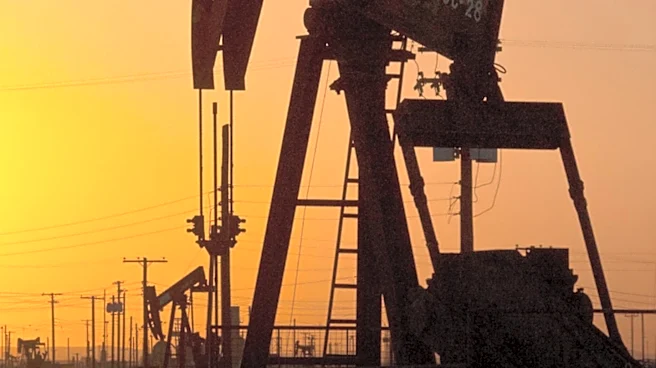
The ongoing conflict in the Middle East has led to a surge in oil prices, reaching $100 per barrel, and an increase in US Treasury yields. These developments have raised concerns among investors about the potential impact on the US stock market. The rise
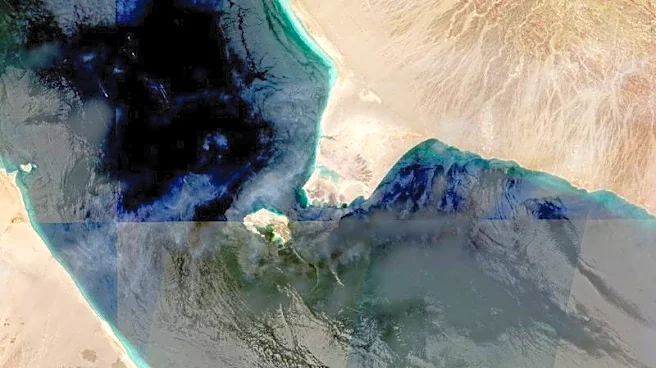
in oil prices is attributed to disruptions in trade through the Strait of Hormuz, while the increase in Treasury yields is driven by fears of inflation and potential Federal Reserve rate hikes. The yield on the US 10-year note has reached 4.71%, its highest level since January 2025, prompting worries about the near-term outlook for stocks.
Why It's Important?
The increase in oil prices and Treasury yields has significant implications for the US economy and financial markets. Higher oil prices can lead to increased costs for consumers and businesses, potentially slowing economic growth and increasing inflationary pressures. Rising Treasury yields can affect stock valuations by making future company profits appear less valuable, diminishing the appeal of equities. The situation highlights the interconnectedness of global markets and the potential for geopolitical tensions to impact domestic economic conditions. Investors are closely monitoring these developments, as they could influence Federal Reserve policy decisions and the broader economic outlook.
What's Next?
The future trajectory of oil prices and Treasury yields will depend on the resolution of the Middle East conflict and the Federal Reserve's response to inflationary pressures. If oil prices remain high and yields continue to rise, it could lead to increased volatility in the stock market and potential adjustments in monetary policy. Investors will be watching for signals from the Federal Reserve regarding interest rate hikes and any measures to address inflation. The situation underscores the need for careful monitoring of geopolitical developments and their potential impact on financial markets.