



What's Happening?
Les Mills provides a variety of fitness classes, including high-intensity interval training (HIIT) workouts such as GRIT Strength and GRIT Athletic, the martial arts-inspired BODYCOMBAT, and the barbell-based BODYPUMP. These programs are available at
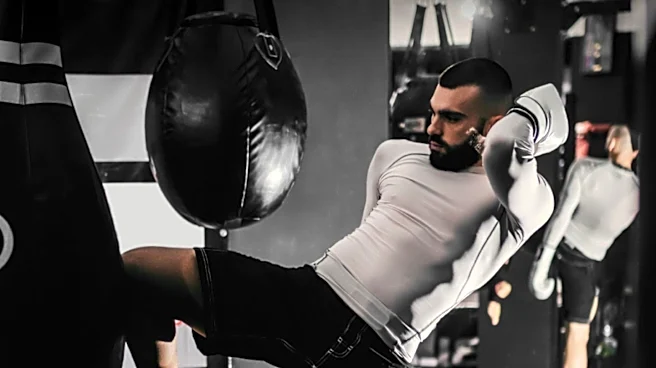
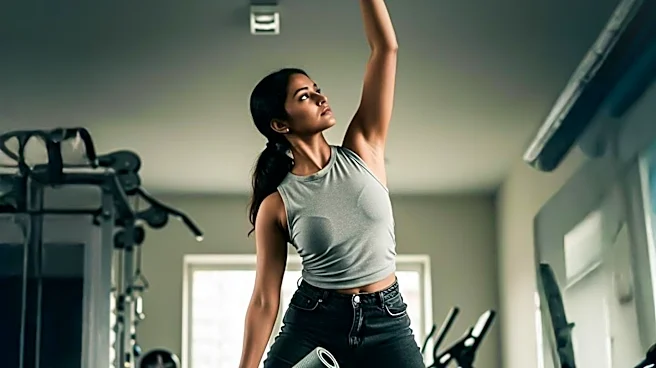
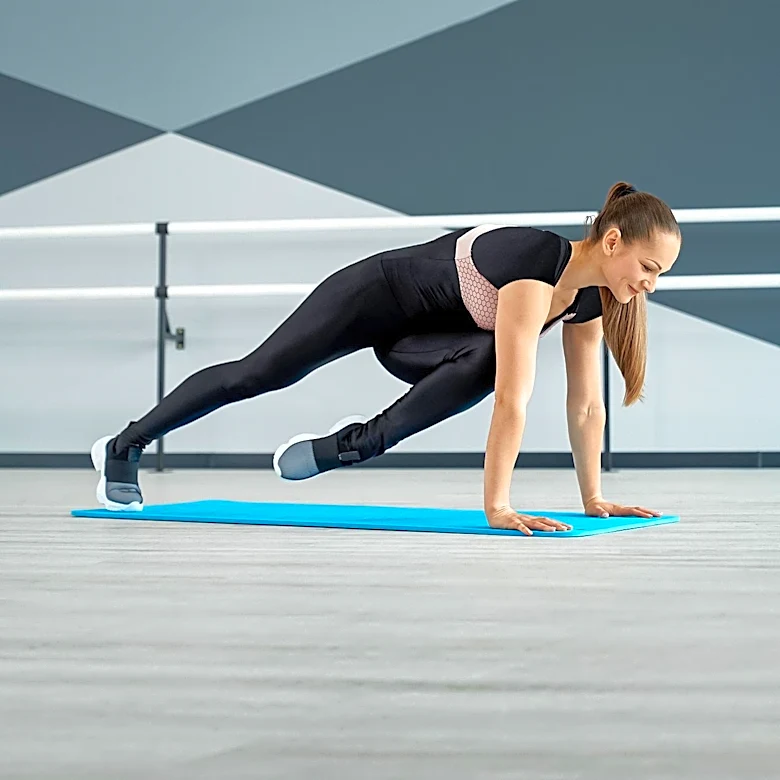
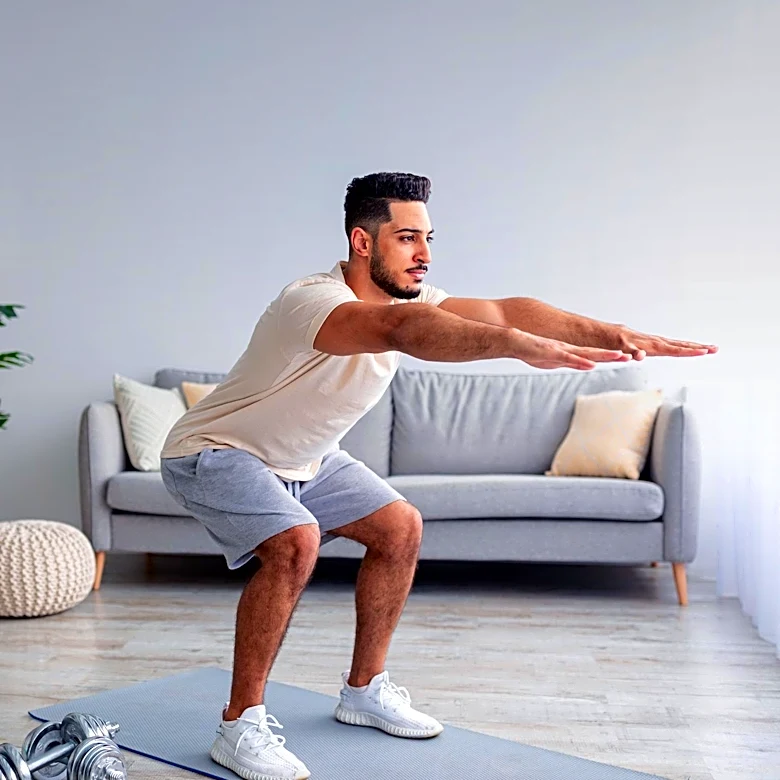
various fitness centers across the U.S., including the YMCA of Greater Boston, RiverPlex, and Foreside Fit in Falmouth, Maine. Les Mills classes are characterized by their scientifically-backed routines and are led by certified instructors. For instance, GRIT Strength is a 30-minute HIIT workout designed to improve strength, cardiovascular fitness, and build lean muscle using barbells, weight plates, and bodyweight exercises. BODYCOMBAT is a non-contact, martial arts-inspired workout focusing on punches and kicks for fitness and stress release. BODYPUMP is a barbell workout utilizing light to moderate weights and high repetitions to build strength and improve aerobic fitness, often incorporating LES MILLS SMARTBAR and SMARTSTEP equipment. GRIT Athletic is another 30-minute HIIT sports conditioning workout aimed at enhancing overall athletic performance through steps, bodyweight exercises, and multi-dimensional training.
Why It's Important?
The widespread availability of Les Mills programs across U.S. fitness centers signifies a significant trend in the American health and wellness industry. These structured, science-backed group fitness classes offer a standardized and effective approach to exercise, appealing to a broad demographic seeking guided fitness solutions. For individuals, these programs provide accessible ways to improve strength, cardiovascular health, and overall fitness, contributing to public health initiatives. For fitness centers like the YMCA and Foreside Fit, offering recognized programs like Les Mills can attract and retain members, enhancing their competitive edge in a crowded market. The emphasis on certified instructors ensures a level of quality and safety in exercise delivery, which is crucial for participant well-being and program efficacy. The diverse range of classes, from strength training to cardio and martial arts-inspired workouts, caters to different fitness goals and preferences, making fitness more inclusive and engaging for a wider audience.
What's Next?
The continued expansion and evolution of Les Mills programs are anticipated as fitness trends and participant needs change. Fitness centers are likely to continue integrating these popular programs into their schedules to meet member demand and maintain relevance. There may be further development in specialized equipment, such as the LES MILLS SMARTBAR and SMARTSTEP, to enhance the workout experience and effectiveness. Additionally, the focus on scientifically-backed routines suggests ongoing research and development to refine existing programs and introduce new ones that align with the latest exercise science. The training and certification of instructors will remain a critical component to ensure the consistent delivery of high-quality classes. As the fitness industry increasingly embraces technology, there could also be a push towards hybrid models, offering both in-person and digital access to Les Mills workouts, catering to a more flexible and remote-friendly fitness landscape.
Beyond the Headlines
The popularity of structured group fitness programs like Les Mills reflects a broader societal shift towards communal and guided wellness experiences. In an era where individual fitness journeys can often feel isolating, group classes provide a sense of community, motivation, and accountability. This communal aspect can have significant psychological benefits, fostering social connections and reducing feelings of loneliness, which are increasingly recognized as important components of overall well-being. Furthermore, the emphasis on certified instructors highlights a growing demand for professional guidance in fitness, moving beyond self-directed workouts to expert-led training. This trend underscores a cultural value placed on expertise and structured methodologies in achieving health goals. The integration of specific equipment, like the SMARTBAR, also points to the commercialization and branding of fitness experiences, where specialized tools become part of the program's identity and appeal, influencing consumer choices in fitness gear and gym memberships.