




What's Happening?
The Shippers Conditions Index (SCI), released by freight transportation consultancy FTR, has moved further into negative territory, reaching -8.1 for July, a steeper decline from June's -5.4 reading. This indicates increasingly harsh market conditions
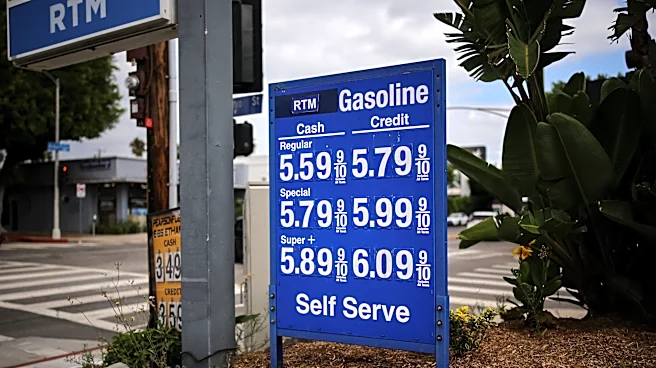
for shippers. The primary driver for this negative shift is rising fuel prices, which have surged to record levels, surpassing the 2022 peak. While more stable freight rates partially offset the impact, capacity utilization and volumes remained largely unchanged. FTR anticipates that continued increases in diesel prices in August and September will further exacerbate the negative trend in SCI readings, signaling tougher times ahead for shippers.
Why It's Important?
The continued decline in the Shippers Conditions Index is a critical indicator for the U.S. logistics and supply chain sectors. Negative SCI readings signify tight capacity and higher costs for shippers, directly impacting businesses that rely on freight transportation. Rising fuel prices, a major component of operational costs for carriers, translate into increased expenses for shippers, which can then be passed on to consumers, contributing to inflationary pressures. This situation can lead to supply chain disruptions, delayed deliveries, and reduced profitability for companies across various industries. The current market conditions highlight the vulnerability of supply chains to external factors like energy costs and underscore the need for businesses to adapt their logistics strategies to mitigate these challenges.
What's Next?
FTR's Vice President of Trucking, Avery Vise, suggests that while high fuel costs could potentially loosen the truck freight market in the coming quarters, other factors would need to align for this outcome. Shippers should prepare for continued challenging conditions, including potentially higher freight rates and persistent capacity constraints, as long as fuel prices remain elevated. Businesses may need to explore strategies such as optimizing routes, consolidating shipments, or negotiating long-term contracts with carriers to manage costs. The situation also calls for close monitoring of economic indicators and fuel price trends to anticipate further market shifts and adjust logistics operations accordingly. The long-term implications could include a re-evaluation of supply chain resilience and a greater emphasis on domestic or near-shore sourcing to reduce transportation dependencies.
Beyond the Headlines
The impact of rising fuel prices on the Shippers Conditions Index extends beyond immediate operational costs, touching upon broader economic and environmental considerations. High fuel costs can accelerate the adoption of more fuel-efficient transportation technologies and alternative fuels, driving innovation in the logistics sector. It also brings into sharper focus the environmental footprint of freight transportation, potentially spurring greater investment in sustainable logistics practices. Furthermore, the persistent challenges faced by shippers could lead to increased calls for government intervention or policy changes aimed at stabilizing fuel markets or supporting the transportation industry. This situation underscores the interconnectedness of energy markets, economic stability, and the efficiency of national supply chains.