





What's Happening?
Wellness travel is emerging as a significant trend, shifting the focus of vacations from packed itineraries to experiences designed for calmness, health, and rest. This approach encourages slower, less scheduled journeys that prioritize natural surroundings,
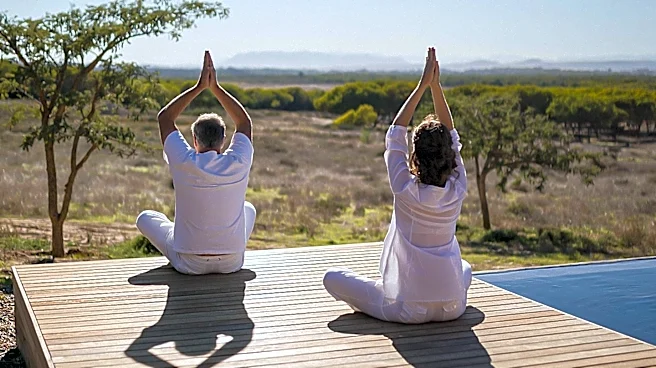
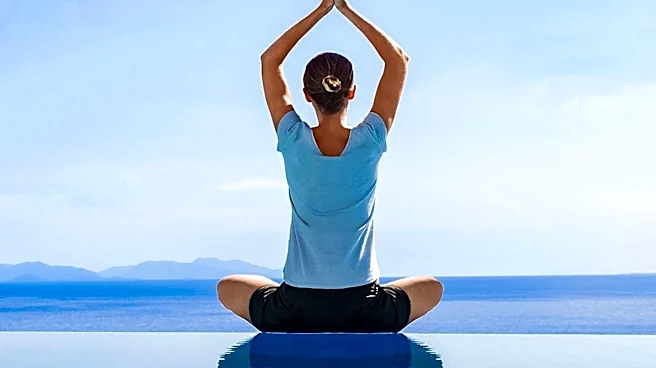
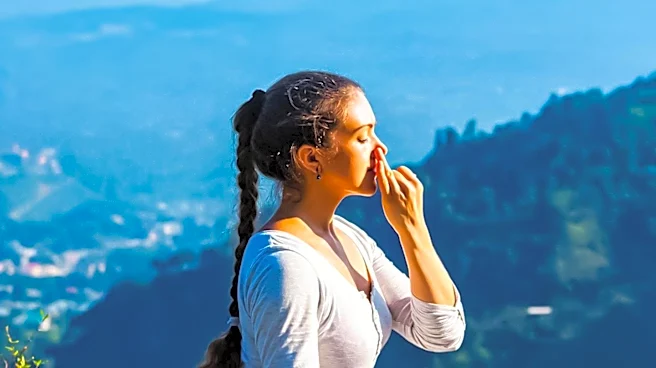
restorative sleep, and mindfulness. Unlike traditional vacations that can leave travelers exhausted, wellness travel aims to rejuvenate. It doesn't necessarily involve expensive spa resorts but rather tailoring a trip around personal well-being goals, such as a quiet coastal weekend, a mountain retreat, or a yoga getaway. Key practices include protecting mornings from immediate scheduling, bringing familiar comforts to new environments, and intentionally scheduling fewer activities to allow for genuine rest. The philosophy emphasizes being present, encouraging travelers to disconnect from digital devices and engage with their surroundings without the pressure to constantly capture every moment. This movement suggests that true vacation can be found in rest and a deeper connection to oneself and nature.
Why It's Important?
This shift in travel philosophy holds significant importance for the U.S. tourism and hospitality industries. As consumers increasingly prioritize mental and physical well-being, the demand for wellness-focused travel experiences is growing. This trend could lead to a re-evaluation of traditional vacation packages, prompting resorts, hotels, and travel agencies to integrate more wellness components into their offerings. Businesses that adapt to this demand by providing authentic, restorative experiences, rather than just amenities, stand to gain a competitive advantage. It also highlights a broader societal move towards holistic health, where travel is viewed not just as leisure but as an integral part of a healthy lifestyle. This could influence investment in destinations known for natural beauty and tranquility, as well as the development of specialized wellness retreats and programs across the U.S., catering to a demographic seeking meaningful rejuvenation over mere sightseeing.
What's Next?
The continued growth of wellness travel is expected to drive innovation in the tourism sector. We can anticipate more travel providers offering customizable wellness itineraries, focusing on elements like mindful activities, healthy cuisine, and opportunities for digital detox. Destinations known for their natural landscapes, such as national parks, coastal regions, and mountain ranges, are likely to see increased interest as ideal settings for these types of trips. Furthermore, there may be a rise in specialized wellness retreats catering to specific needs, such as stress reduction, sleep improvement, or spiritual growth. The integration of technology that supports wellness, such as apps for meditation or personalized health tracking, could also become more prevalent in travel experiences. As travelers become more discerning about their well-being, the industry will likely respond with more tailored and authentic offerings that prioritize genuine rest and rejuvenation.
Beyond the Headlines
The rise of wellness travel reflects a deeper cultural shift away from constant productivity and hyper-connectivity towards a greater appreciation for presence, introspection, and self-care. This trend challenges the conventional notion of vacation as a time for exhaustive exploration and instead promotes the idea of travel as a tool for personal growth and restoration. It highlights a growing awareness of the impact of modern lifestyles on mental and physical health, prompting individuals to seek environments and experiences that actively counteract stress and burnout. Ethically, this movement encourages responsible tourism that respects local environments and cultures, as the emphasis on natural surroundings often goes hand-in-hand with sustainability. It also underscores the value of disconnecting from digital distractions, fostering a more profound engagement with the real world and personal relationships, ultimately contributing to a more balanced and mindful society.