






What's Happening?
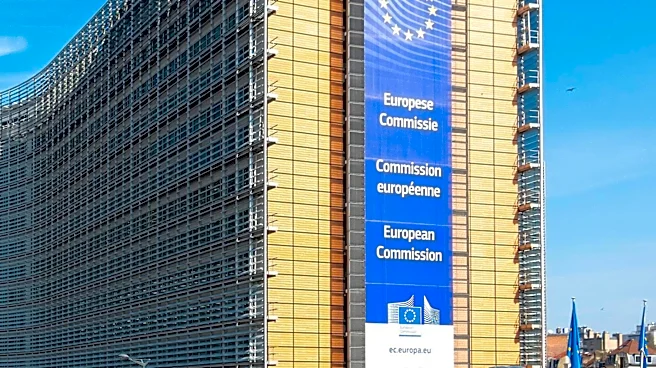
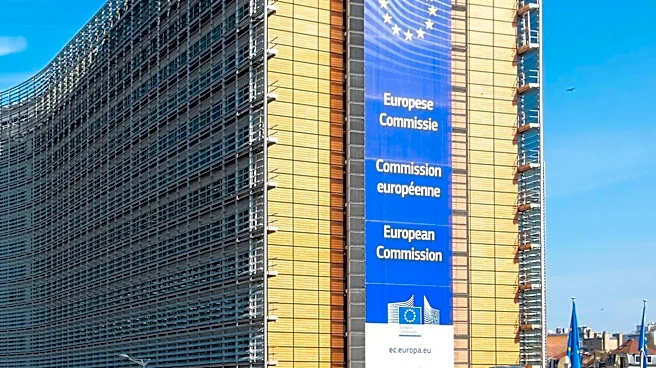
The European Commission has launched a formal antitrust investigation into Coca-Cola Europacific Partners (CCEP), the largest bottler of Coca-Cola products in several European countries. The probe, initiated on November 23, 2026, focuses on whether CCEP has engaged
in practices that hinder cross-border trade of soft drinks within the European Union. Executive Vice-President Teresa Ribera, who oversees competition policy, stated that consumers should not face higher prices simply due to their location within the EU. The investigation will examine if CCEP offered retailers discounts contingent on keeping products within national borders, used different bottle sizes to complicate resale, rewarded retailers for limiting imports into Spain, or refused to negotiate multi-country supply deals. CCEP operates in Belgium, France, Germany, Luxembourg, the Netherlands, Portugal, Spain, and Sweden, and the investigation specifically targets drinks sold for home consumption, excluding those for restaurants, hotels, and cafés. CCEP has stated its commitment to cooperating fully with the investigation.
Why It's Important?
This investigation is significant because it addresses potential anti-competitive practices that could lead to inflated prices and reduced consumer choice across the European Union. If CCEP is found to have deliberately obstructed cross-border trade, it could face substantial fines, potentially up to 10% of its global turnover, which was €20.9 billion in 2025. The European Commission estimates that ending such supply restrictions could save European consumers approximately €14 billion annually, based on a 2020 study. This case highlights the ongoing efforts by EU regulators to ensure a single market where goods can move freely, preventing companies from segmenting markets to maintain higher prices. The outcome could set a precedent for how large multinational corporations operate within the EU, particularly concerning pricing strategies and distribution networks, impacting both retailers and consumers.
What's Next?
The formal antitrust investigation by the European Commission has no set deadline, and its opening does not prejudge the final outcome. Investigators will continue to gather evidence to determine if CCEP's practices constitute a breach of competition law. Concurrently, Brussels is developing new regulations aimed at preventing such trade barriers, which Commission spokesperson Ricardo Cardoso noted would complement, rather than replace, ongoing investigations like this one. If a breach is established, CCEP could face significant financial penalties. The case will likely be closely watched by other multinational companies operating within the EU, as it could influence future compliance efforts and market strategies regarding cross-border trade and pricing. The Commission's findings will ultimately determine the extent of CCEP's liability and could lead to mandated changes in its business practices.
Beyond the Headlines
The investigation into CCEP's alleged practices touches upon a broader issue of market fragmentation within the EU, where identical products can have vastly different prices across neighboring member states. This phenomenon, often referred to as 'geo-blocking' or 'territorial supply constraints,' undermines the principle of a single market and can lead to consumer frustration and economic inefficiency. The Commission's proactive stance, evidenced by previous fines against companies like AB InBev and Mondelez for similar conduct, underscores its commitment to fostering a truly integrated European economy. Beyond the immediate financial implications for CCEP, this case could encourage greater transparency and fairness in pricing across the EU, potentially empowering consumers and retailers to seek out the best deals regardless of national borders. It also highlights the complex interplay between corporate strategies and regulatory oversight in a globalized yet regionally segmented marketplace.