




What's Happening?
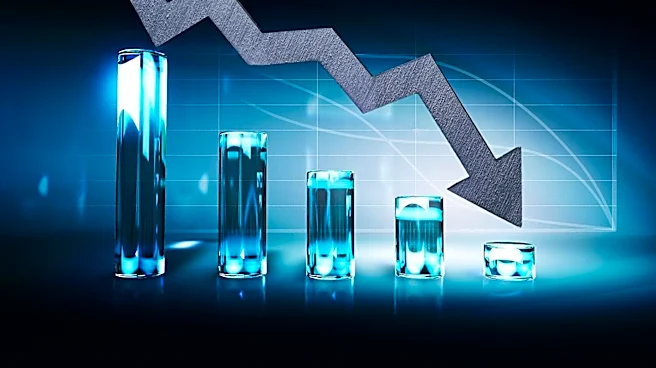
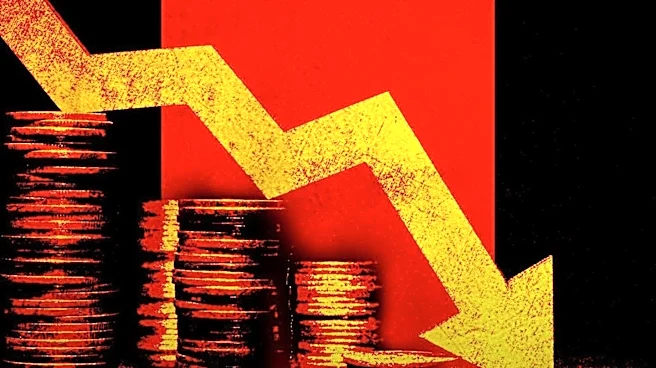
The United States experienced a slowdown in GDP growth in the second quarter of 2026, with a growth rate of 1.5%, down from 2.1% in the first quarter. This deceleration is attributed to a widening trade deficit and rising inflationary pressures, exacerbated
by recent tariffs imposed by President Trump on imports from 60 economies, including the UK, EU, and China. The tariffs, aimed at curbing goods produced with forced labor, have contributed to a supply shock alongside rising oil prices. Business investment in equipment has increased, driven by the ongoing investment boom in artificial intelligence, but exports have not kept pace, leading to a significant trade deficit.
Why It's Important?
The slowdown in GDP growth reflects broader economic challenges, including trade tensions and inflation, which could impact consumer confidence and business investment. The tariffs and oil price hikes are creating a supply shock that affects various sectors, potentially leading to higher costs for consumers and businesses. The situation underscores the interconnectedness of global trade and the potential repercussions of protectionist policies on domestic economic performance.
What's Next?
To reverse the slowdown, consistent trade policies and measures to boost consumer and business confidence are needed. The government may need to address the underlying causes of the trade deficit and inflation to stabilize the economy. Additionally, the impact of tariffs and oil prices on different sectors will require careful monitoring to mitigate adverse effects on growth.