





What's Happening?
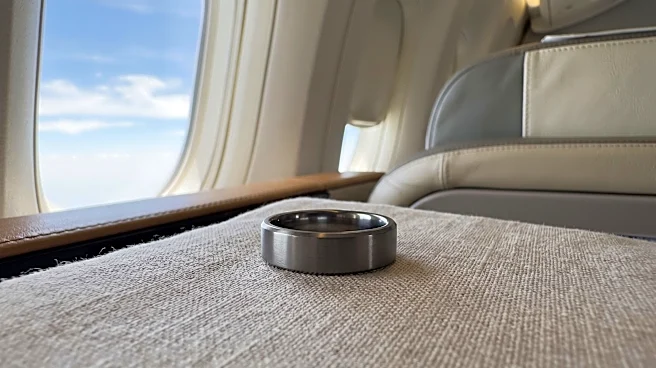
Oura, the manufacturer of the Oura Ring, has launched a new feature called 'Jet Lag Plan' designed to help users combat the adverse effects of time zone travel, such as fatigue, headaches, insomnia, and nausea. This feature, released on Tuesday, is specifically
tailored for individuals traveling across at least three time zones. The Jet Lag Plan is built upon an analysis of typical sleep patterns, flight itineraries, and individual chronotypes (whether a person is a morning or night person). Oura utilizes 40 to 90 days of a user's sleep timing, activity, and average body temperature trends to assign one of six chronotypes. This data, along with sleep history, informs the user's circadian low point. The plan provides a recommended schedule for sleep, caffeine intake, activity, and light exposure before, during, and after a trip, with reminders and the ability to track completed actions. Users can initiate a plan through the Oura app, including via the AI-powered Oura Advisor, and can request adjustments.
Why It's Important?
The introduction of Oura's Jet Lag Plan signifies a growing trend in personalized health technology aimed at optimizing daily life functions, including travel. For U.S. travelers, particularly business professionals and frequent international tourists, this feature offers a practical tool to mitigate the disruptive effects of jet lag, potentially improving productivity and overall well-being during trips. This development also highlights the increasing sophistication of wearable technology in providing actionable health insights beyond basic tracking. It could influence other wearable tech companies to develop similar specialized features, intensifying competition in the health and wellness tech market. Furthermore, the reliance on individual biometric data and AI for personalized recommendations underscores a shift towards highly customized health solutions, which could become a standard expectation for consumers in the future.
What's Next?
The success of Oura's Jet Lag Plan could lead to further integration of advanced physiological data analysis into travel planning and wellness routines. Other wearable technology companies may follow suit, developing their own versions of jet lag management tools or other travel-specific health features. This could also spur collaborations between health tech companies and travel industry stakeholders, such as airlines or hotels, to offer integrated wellness solutions for travelers. As AI capabilities in wearables advance, we might see more predictive and adaptive health interventions based on real-time physiological responses. Future iterations could include more granular recommendations tailored to specific travel scenarios or even integrate with smart home devices to adjust environments for optimal recovery. The feature's availability in English suggests a global rollout is likely, expanding its impact on international travel.
Beyond the Headlines
The Oura Ring's Jet Lag Plan touches upon the broader concept of 'biohacking' – using technology and data to optimize human performance. While beneficial for many, it also raises questions about the potential for over-reliance on technology for natural bodily functions. The personalization aspect, based on individual chronotypes and sleep data, highlights the increasing move away from one-size-fits-all health advice towards highly individualized interventions. This could lead to a deeper understanding of circadian rhythms and their impact on overall health, potentially influencing workplace policies regarding travel and work schedules. However, it also underscores the importance of data privacy and security, as highly sensitive personal health data is being used to generate these recommendations. The long-term implications could include a more data-driven approach to managing various physiological challenges, transforming how individuals interact with their own biology.