






What's Happening?
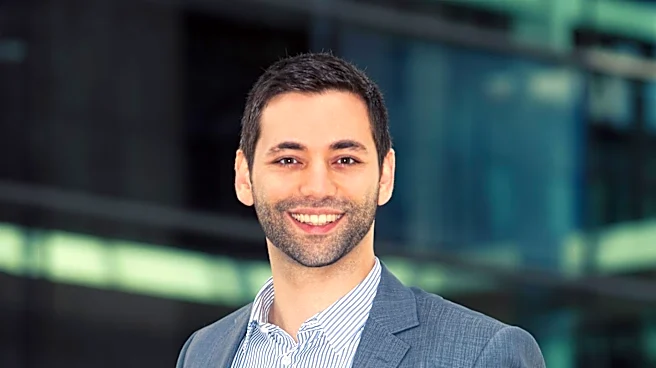
PKF O'Connor Davies, a prominent accounting, tax, and advisory firm, has announced the appointment of Maher Masri as its new Partner and Chief AI and Transformation Officer. This strategic move aims to integrate artificial intelligence (AI) across the firm's
operations, client services, and long-term growth strategy. Masri will be responsible for leading the enterprise-wide development and adoption of AI, working closely with senior leadership to modernize service delivery, redesign workflows, and create new AI-powered offerings for clients. According to Kevin J. Keane, CEO of PKF O'Connor Davies, AI is central to the firm's goal of reaching $1 billion in annual revenue and enhancing client service. Masri's background includes extensive experience in building and commercializing AI solutions and leading operational changes in various organizations, from early-stage businesses to Fortune 500 companies. This appointment builds upon the firm's existing AI initiatives and its commitment to innovation.
Why It's Important?
This appointment signifies a significant strategic shift within the professional services industry, particularly in accounting and advisory firms, towards embracing advanced technology like AI. By creating a dedicated executive role for AI and transformation, PKF O'Connor Davies is positioning itself to leverage AI not just as an internal productivity tool but as a core component of its business model and client offerings. This could set a precedent for other firms in the sector, driving a broader adoption of AI to enhance efficiency, develop new services, and gain a competitive edge. The move indicates a recognition that AI can fundamentally reshape how professional services are delivered, potentially leading to more sophisticated data analysis, automated processes, and personalized client solutions. For clients, this could translate into more efficient, insightful, and value-driven services, while for the firm, it represents a pathway to achieving ambitious revenue growth targets and maintaining relevance in an evolving market.
What's Next?
Following Maher Masri's appointment, PKF O'Connor Davies is expected to accelerate its enterprise-wide AI development and integration efforts. Masri's immediate priorities will likely involve assessing current AI initiatives, identifying key areas for transformation, and collaborating with various departments to implement AI solutions. This will include reimagining existing services, optimizing internal workflows, and developing entirely new AI-powered offerings for clients. The firm will likely focus on translating AI capabilities into practical commercial applications, aiming to improve operational efficiency and create new revenue streams. This strategic direction suggests potential investments in AI infrastructure, talent development, and partnerships with technology providers. The success of these initiatives will be closely watched as the firm aims to reach its $1 billion annual revenue goal, potentially influencing how other large accounting and advisory firms approach AI adoption and digital transformation in the coming years.
Beyond the Headlines
The appointment of a Chief AI and Transformation Officer at a major accounting firm like PKF O'Connor Davies reflects a deeper industry-wide recognition of AI's transformative potential beyond mere automation. This move signals a shift from viewing AI as a supplementary tool to considering it a central pillar of strategic growth and competitive differentiation. Ethically, the integration of AI in advisory services will necessitate careful consideration of data privacy, algorithmic bias, and the responsible use of AI in financial decision-making. Legally, firms will need to navigate evolving regulations surrounding AI, data governance, and client confidentiality. Culturally, this transformation will require significant upskilling of the workforce, fostering a culture of continuous learning, and adapting to new human-AI collaboration models. In the long term, this development could lead to a redefinition of the roles of accountants and advisors, with a greater emphasis on strategic insights, complex problem-solving, and ethical AI stewardship, rather than routine tasks.