

What's Happening?
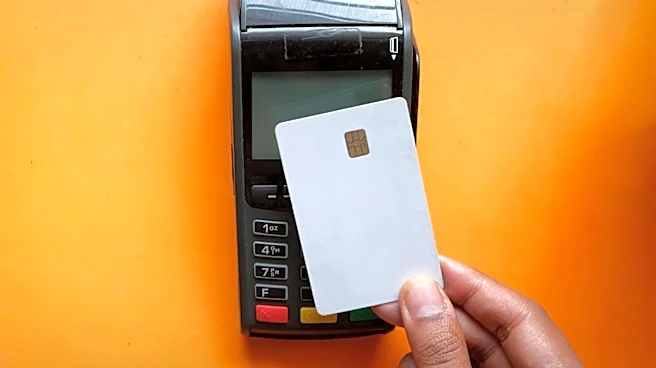
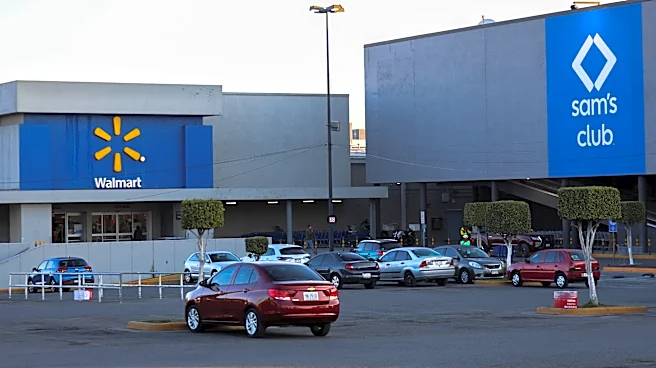
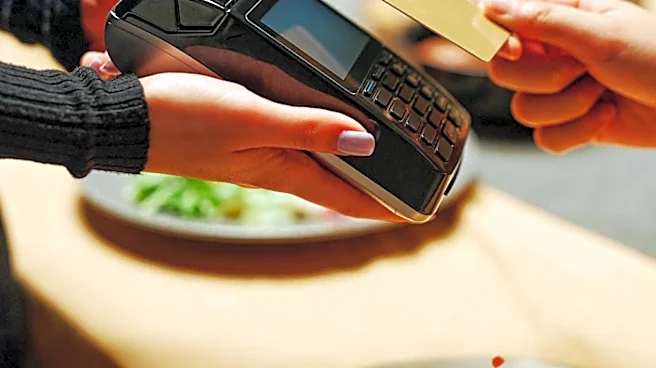
Walmart has announced a significant update to its in-store payment systems, introducing tap-to-pay technology for shoppers. Starting August 24, select Walmart and Sam’s Club locations will begin offering this payment option, with a full rollout planned
for all U.S. stores and clubs by the end of 2026. The company also intends to extend tap-to-pay functionality to its fuel stations by mid-2027. This move marks a notable shift for Walmart, which has been one of the last major retailers to adopt this technology, as approximately 85 percent of other retailers already support Apple Pay. Previously, customers at Walmart relied on physical cards or the Walmart Pay app, which required scanning a QR code. The new system will support both Apple Pay and Google Pay, and customers will be able to add eligible Walmart, Sam's Club, and OnePay cards to their digital wallets. This initiative is part of Walmart's broader strategy to enhance customer convenience and choice in payment methods.
Why It's Important?
The widespread implementation of tap-to-pay technology by Walmart carries significant implications for the retail sector and consumer behavior in the U.S. As one of the largest retailers, Walmart's adoption of this payment method could accelerate its normalization across the country, particularly among demographics less familiar with contactless payments. This change is expected to streamline the checkout process, reducing transaction times and potentially improving customer satisfaction. For consumers, it offers increased flexibility and convenience, aligning Walmart with industry standards and meeting the expectations of a growing number of shoppers who prefer digital payment solutions. The integration of Apple Pay and Google Pay also broadens accessibility for users of these popular mobile payment platforms. Furthermore, this move could influence other remaining holdout retailers to adopt similar technologies to stay competitive, driving further modernization in the retail payment landscape.
What's Next?
The rollout of tap-to-pay technology will commence on August 24 in certain Walmart and Sam’s Club stores, with a phased implementation across all U.S. locations expected to conclude by the end of 2026. Following this, the technology will be extended to fuel stations by mid-2027. Walmart has not yet specified which stores will be the first to receive the update. The company's press release emphasized its goal to provide customers with more payment choices and to simplify the everyday shopping experience. This initiative is part of a larger series of changes by Walmart, which also includes plans to open approximately 20 new stores and remodel 650 existing locations between 2026 and 2027. These efforts aim to make shopping faster and more convenient, with better integration of the Walmart app into the in-store experience. The expansion of drone delivery services in Central Florida, in partnership with Alphabet-owned Wing, further indicates Walmart's commitment to leveraging technology for enhanced customer service.
Beyond the Headlines
Walmart's embrace of tap-to-pay technology signifies a broader shift in the retail industry towards frictionless commerce and digital integration. While seemingly a simple payment upgrade, it reflects a strategic response to evolving consumer preferences and the competitive landscape. The delay in adopting this technology, compared to 85 percent of other retailers, highlights the challenges and considerations large enterprises face in implementing new systems across vast operational networks. This move could also subtly influence financial behaviors, potentially increasing reliance on digital wallets and reducing the use of physical cards or cash. Furthermore, by aligning with prevalent mobile payment systems like Apple Pay and Google Pay, Walmart is not just upgrading its infrastructure but also integrating more deeply into the broader digital ecosystem that consumers inhabit. This could pave the way for future innovations in personalized shopping experiences and loyalty programs tied to digital payment methods, further blurring the lines between online and in-store retail.