








What's Happening?
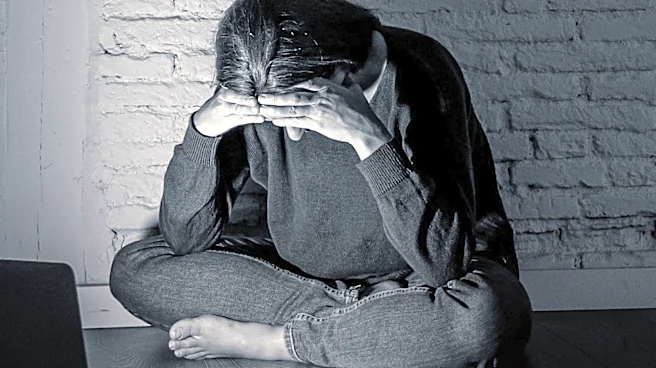
Law students, particularly those in regions like Boston, are being advised on strategies to cope with the shorter, darker days of winter, which can lead to 'winter blues' or Seasonal Affective Disorder (SAD). Alene Hanson, a first-year law student and
blogger, distinguishes between the mild symptoms of winter blues and SAD, a medical condition characterized by regular depressive episodes in winter. Risk factors for SAD include geographic location, gender (women are more susceptible), and a history of mental illness. Tips to mitigate these effects include maximizing outdoor time, even for short walks, to get natural light exposure and regulate circadian rhythms. Avoiding hitting the snooze button and getting up early to catch daylight is also recommended. Additionally, making evening plans for fun or restorative activities helps reframe nighttime as an extension of the day rather than its end. Utilizing campus resources for mindfulness and meditation is also suggested.
Why It's Important?
The demanding environment of law school, combined with the physiological and psychological impacts of reduced daylight during winter, can significantly affect students' mental health and academic performance. Symptoms like fatigue, low mood, and difficulty concentrating can hinder studies, extracurricular involvement, and overall well-being. By providing practical strategies, this advice aims to empower law students to proactively manage their mental health, prevent burnout, and maintain a sense of balance during a particularly stressful period. Addressing these issues is crucial for student success and for fostering a supportive academic environment that recognizes the unique challenges posed by seasonal changes.
What's Next?
Law students are encouraged to implement these strategies into their daily routines as winter approaches. This includes prioritizing outdoor time, adjusting sleep schedules to maximize morning light, and intentionally scheduling evening activities. Students experiencing persistent symptoms of SAD are advised to seek professional help through campus health services or other mental health professionals. The ongoing emphasis on well-being and the availability of campus resources suggest a continuous effort to support students through the academic year, especially during challenging seasons.
Beyond the Headlines
This advice for law students highlights a broader conversation about mental health in demanding academic and professional environments. It acknowledges that external factors like seasonal changes can significantly impact cognitive function and emotional well-being, challenging the traditional narrative of resilience through sheer willpower. The distinction between 'winter blues' and SAD also underscores the importance of recognizing when self-care strategies are insufficient and professional intervention is needed. This proactive approach to mental health, integrating lifestyle adjustments with professional support, reflects a more enlightened understanding of student welfare and the need for holistic support systems within educational institutions.