





What's Happening?
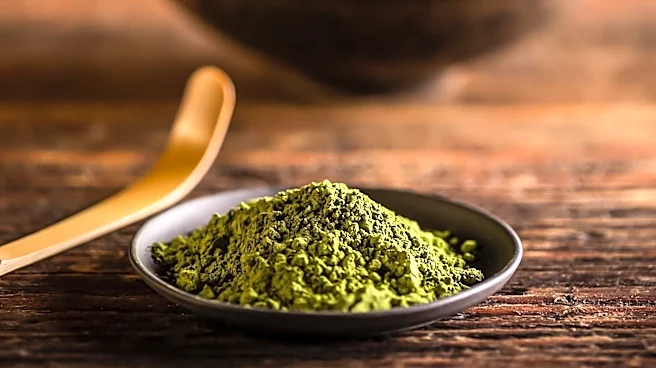
Matcha, a finely ground green tea, is gaining attention as an alternative to conventional pre-workout supplements. Unlike many pre-workout formulas that rely on high doses of caffeine, matcha combines caffeine with L-theanine. This unique combination
is noted for influencing alertness and providing a more sustained sense of focus and perceived energy. The caffeine in matcha is absorbed more slowly due to the presence of catechins, which contributes to a prolonged energizing effect without the sudden jitters often associated with other caffeine sources. While matcha offers a distinct stimulant profile, it does not provide the effects of ingredients like beta-alanine or citrulline, which are commonly found in some pre-workout supplements. This makes matcha a different kind of energy enhancer, focusing on a steady lift rather than an intense, short-burst stimulation.
Why It's Important?
The growing interest in matcha as a pre-workout alternative signifies a shift in consumer preferences towards more sustained and balanced energy sources. This trend could impact the market for energy drinks and supplements, potentially leading to increased demand for natural, plant-based alternatives. For individuals seeking to avoid the intense stimulant effects or potential jitters from traditional pre-workouts, matcha offers a gentler yet effective option. This could also influence product development within the health and wellness industry, encouraging more formulations that combine caffeine with L-theanine or other compounds that modulate caffeine's effects. The emphasis on sustained focus rather than just raw energy aligns with broader wellness trends that prioritize mental clarity and overall well-being alongside physical performance.
What's Next?
As awareness of matcha's benefits grows, it is likely to see increased adoption among fitness enthusiasts and those seeking alternative energy sources. This could lead to more widespread availability of matcha-based products in various forms, from ready-to-drink beverages to powdered supplements. Manufacturers of pre-workout supplements might also explore incorporating L-theanine or similar compounds into their formulations to offer products with a more balanced energy profile. Further research into the specific benefits of matcha's caffeine-L-theanine combination on athletic performance and cognitive function could also emerge, providing more scientific backing for its use as a pre-workout alternative. The trend suggests a continued diversification in the energy supplement market, catering to a wider range of consumer needs and preferences.
Beyond the Headlines
The rise of matcha as a pre-workout alternative reflects a broader cultural shift towards holistic health and a preference for natural ingredients. Consumers are increasingly scrutinizing the ingredients in their supplements and seeking options that offer benefits beyond just immediate performance enhancement. This movement extends beyond the fitness community, influencing daily beverage choices and contributing to a greater appreciation for traditional health practices. The integration of ancient ingredients like matcha into modern wellness routines highlights a blending of traditional wisdom with contemporary scientific understanding. This trend also underscores a desire for more mindful consumption, where the quality and sustained impact of energy sources are prioritized over sheer potency, potentially leading to a more nuanced understanding of energy and focus in daily life.