


What's Happening?
Luxury brands are increasingly focusing on sophisticated fashion campaign planning strategies to maintain visibility and prestige in a competitive market. Key components of these strategies include meticulous audience segmentation, developing compelling
brand narratives, and strategic channel selection. Brands are defining their target audiences based on demographics, psychographics, and behavioral traits to tailor their messaging effectively. A strong brand narrative, often emphasizing heritage, values like sustainability, and aspirational lifestyle choices, is crucial for differentiation. Multi-platform approaches, particularly leveraging visual-centric social media platforms like Instagram and Pinterest, are vital. Influencer collaborations are highlighted as a significant tool for extending reach and enhancing credibility by partnering with trusted personalities in the fashion industry.
Why It's Important?
The strategic evolution of luxury fashion campaigns is critical for brands to resonate with discerning consumers and stand out in a saturated market. By deeply understanding their audience segments, luxury brands can create highly targeted and impactful campaigns, leading to increased engagement and conversion rates. The emphasis on brand narrative, especially incorporating sustainability and ethical production, reflects a growing consumer demand for responsible practices, allowing brands to build stronger emotional connections. Influencer marketing, in particular, offers luxury brands a powerful avenue to leverage social proof and reach wider audiences, thereby enhancing brand credibility through association with trusted figures. This approach helps bridge the gap between traditional luxury marketing and the digital-first consumer, ensuring relevance and continued growth.
What's Next?
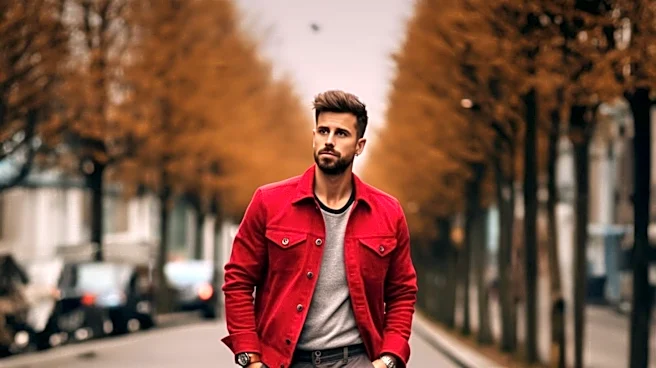
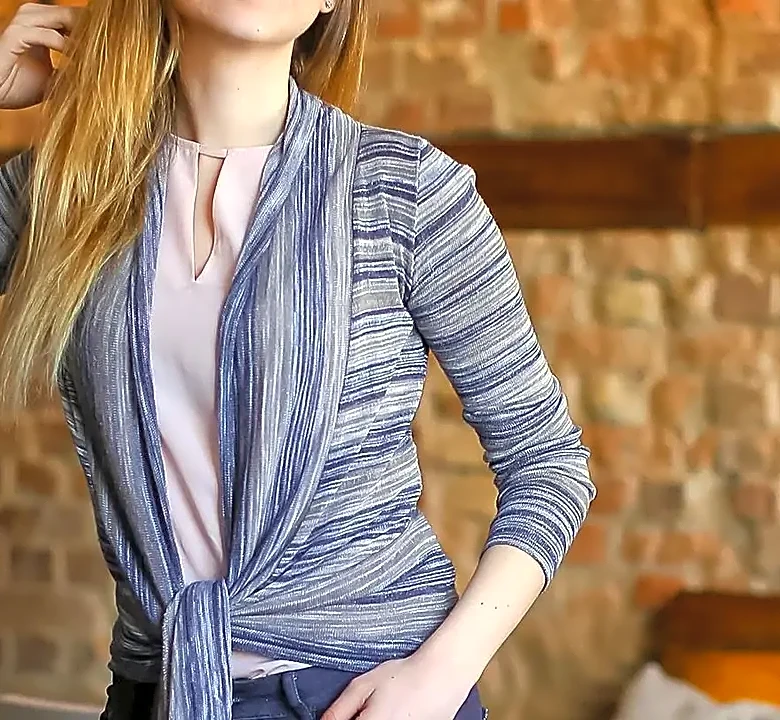
Luxury brands are expected to continue refining their campaign strategies by investing in high-quality visual content, including professional photography and videography, to capture the essence of luxury. The selection of models will remain a critical aspect, with a focus on brand fit and diversity to resonate with a broader audience. Measuring campaign success through key performance indicators (KPIs) such as engagement rates, conversion rates, and brand sentiment analysis will become even more crucial for evaluating effectiveness and optimizing future campaigns. The ongoing integration of experiential marketing, such as events and fashion shows, will also play a role in creating immersive brand experiences. These efforts collectively aim to elevate brand presence and foster meaningful connections with consumers in the evolving luxury market.
Beyond the Headlines
The strategic shift in luxury fashion campaign planning points to a deeper understanding of modern consumer psychology, where authenticity, values, and personalized experiences are paramount. The integration of sustainability into brand narratives is not merely a trend but a reflection of a fundamental change in consumer expectations and corporate responsibility. The reliance on influencer marketing also signifies a democratization of influence, where trusted individuals can wield significant power in shaping brand perception, even for exclusive luxury brands. This evolution challenges traditional advertising models and underscores the importance of genuine storytelling and community engagement. Ultimately, these strategies aim to build not just sales, but lasting brand loyalty and a strong, positive brand identity in a rapidly changing global landscape.