






What's Happening?
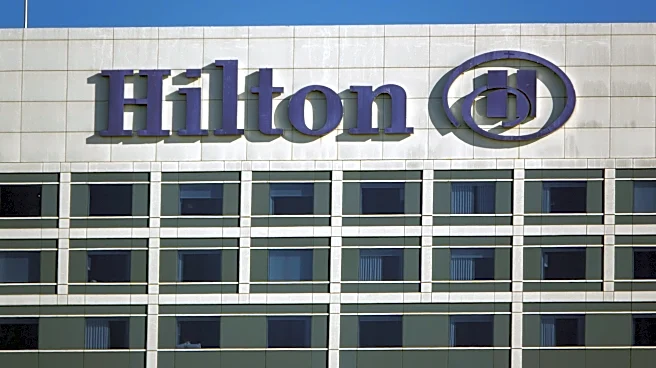
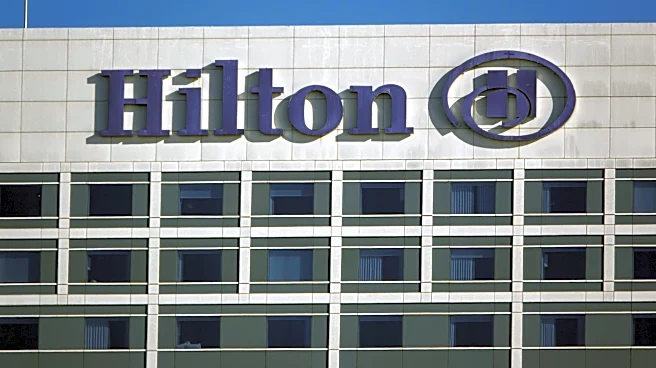
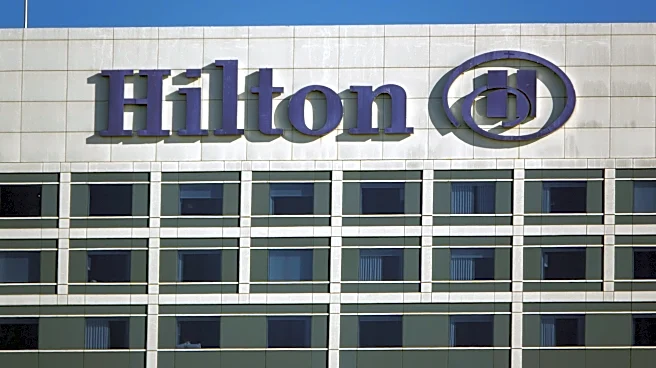
The Hilton Honors loyalty program has implemented significant changes to its elite status qualification criteria and tier structure, effective January 1, 2026. The number of nights required to achieve Gold status has been reduced from 40 to 25, and for
Diamond status, it has decreased from 60 to 50 nights. Additionally, a new top tier, 'Diamond Reserve,' has been introduced. The program has also shifted its qualification methods, replacing base points with dollar spend as a way to earn elite status. Members can now qualify for Silver status with $2,500 annual spend, Gold with $6,000, and Diamond with $11,500. These adjustments aim to streamline the path to elite status for some members while introducing a higher tier for the most frequent travelers. The program continues to offer benefits such as free Wi-Fi and digital check-in, and members earn points for stays and spending, which can be redeemed for free nights and experiences.
Why It's Important?
These changes to the Hilton Honors program are significant for U.S. travelers and the hospitality industry. By lowering the night requirements for Gold and Diamond status, Hilton aims to make elite benefits more accessible to a broader segment of its customer base, potentially increasing loyalty and direct bookings. The introduction of the Diamond Reserve tier caters to high-spending customers, offering exclusive perks that could further incentivize their continued patronage. The shift from base points to dollar spend for qualification aligns the program more closely with revenue generation, rewarding members based on their financial contribution to the brand. This strategy could lead to increased competition among hotel loyalty programs as they vie for customer spend and loyalty. For consumers, these changes mean a potentially easier path to mid-tier benefits but also a new, higher bar for the most exclusive status, influencing their travel and spending decisions.
What's Next?
The full impact of Hilton Honors' revised elite tier structure and qualification methods will unfold throughout 2026. Competitors in the hospitality sector, such as Marriott Bonvoy, will likely monitor these changes closely and may adjust their own loyalty programs in response to maintain competitiveness. Travelers will need to re-evaluate their strategies for earning and maintaining elite status, potentially shifting their stays to Hilton properties if the new criteria are more favorable to their travel patterns. The program's emphasis on dollar spend could also lead to increased engagement with co-branded credit cards, as these often provide accelerated paths to status and point accumulation. Hilton will likely analyze member engagement and booking trends to assess the success of these changes and make further refinements as needed.
Beyond the Headlines
The evolution of hotel loyalty programs, as exemplified by Hilton Honors' recent adjustments, reflects a broader trend in the hospitality industry towards optimizing customer lifetime value. By making elite status more attainable for some while introducing a super-elite tier, Hilton is segmenting its customer base to offer tailored incentives. This strategy goes beyond simple point accumulation, focusing on recognition and personalized experiences, which are often more valued by frequent travelers than just points. The shift to dollar-based qualification also highlights the increasing importance of direct revenue generation for hotel chains, as they seek to reduce reliance on online travel agencies. This move could set a precedent for other loyalty programs, leading to a more revenue-centric approach across the industry and potentially reshaping how travelers perceive and engage with hotel brands.