





What's Happening?
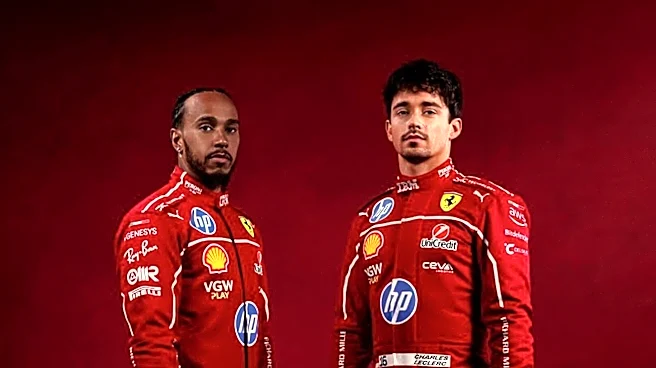
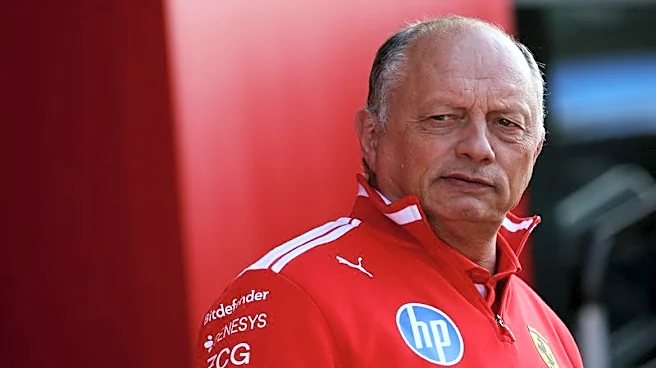
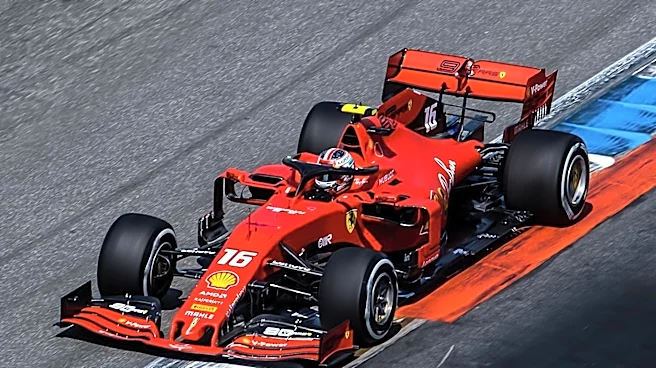
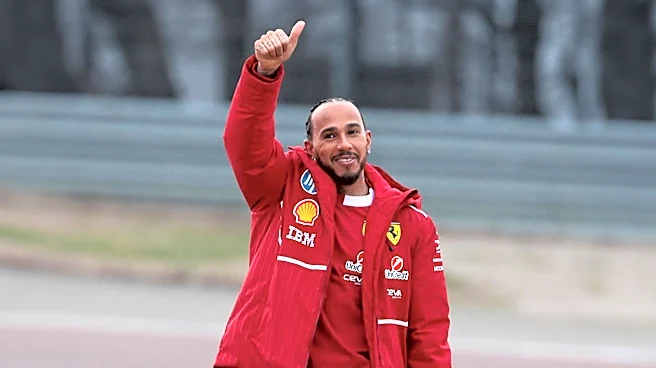
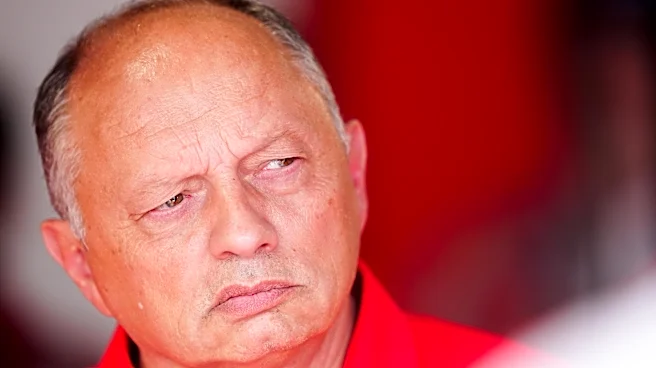
Ferrari Team Principal Frederic Vasseur has publicly criticized driver Charles Leclerc for an 'unacceptable' collision with teammate Lewis Hamilton during the Las Vegas Grand Prix. The incident occurred with 12 laps remaining as both drivers were battling
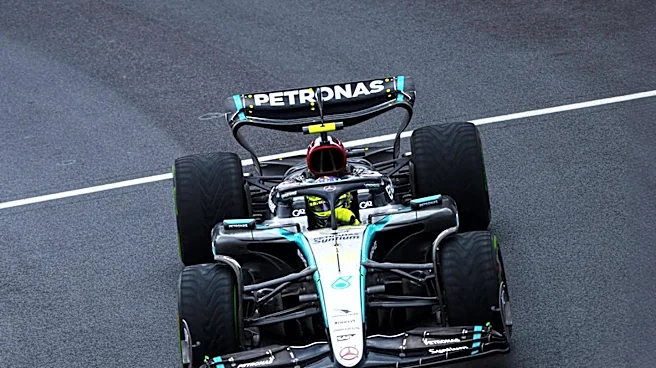
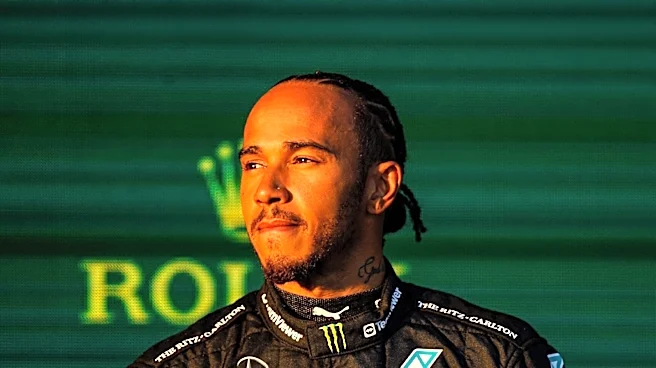
for sixth place, resulting in Hamilton's car spinning and dropping to 10th position. Race stewards deemed Leclerc at fault, imposing a 10-second penalty that ultimately placed him 10th in the final classification, while Hamilton finished seventh. This marks the second time in weeks that the Ferrari teammates have clashed on track, following a similar incident in Mexico that Vasseur had previously addressed with both drivers, emphasizing their responsibilities to the team. Vasseur expressed his frustration, stating that the message to prioritize the team's interests was clear after the Mexico incident and reiterated that Leclerc's actions were a significant mistake that cost the team dearly.
Why It's Important?
This incident highlights significant internal team management challenges within Ferrari, a prominent U.S.-relevant entity in the global motorsports landscape. The public condemnation from Team Principal Vasseur underscores a breakdown in driver discipline and adherence to team directives, which can have broader implications for team morale, sponsor relations, and overall performance in a highly competitive sport like Formula 1. Repeated on-track clashes between teammates, especially after prior warnings, suggest a deeper issue that could affect Ferrari's strategic objectives and championship aspirations. For U.S. fans and stakeholders, the performance and internal dynamics of major teams like Ferrari are closely watched, influencing viewership, merchandise sales, and the sport's overall appeal in the U.S. market. The perceived lack of control over drivers could also deter potential sponsors or impact existing partnerships, given the emphasis on team cohesion and professional conduct in high-stakes racing.
What's Next?
Following the incident, Team Principal Vasseur has scheduled a meeting with Charles Leclerc to address the collision directly. Leclerc, who accepted the stewards' penalty and expressed embarrassment for the team, indicated a willingness to review his actions to prevent future occurrences. The team will likely conduct an internal review to understand the circumstances leading to the repeated clashes and to reinforce team protocols. Ferrari may consider implementing stricter rules of engagement for its drivers, a measure that Lewis Hamilton alluded to as necessary. The outcome of these internal discussions and any subsequent policy changes will be crucial for Ferrari's performance in upcoming races and for maintaining team harmony. The situation will be closely monitored by the Formula 1 community, including U.S. media and fans, as it could influence the team's trajectory for the remainder of the season and beyond.
Beyond the Headlines
The recurring on-track conflicts between Ferrari teammates, particularly after explicit warnings from team management, point to a deeper cultural or communication challenge within the organization. This situation transcends a mere racing incident, touching upon themes of individual ambition versus team objectives, driver accountability, and the effectiveness of leadership in high-pressure environments. Ethically, the drivers' actions raise questions about sportsmanship and adherence to team values, especially when significant financial and reputational stakes are involved. The incident could also trigger a re-evaluation of driver contracts and behavioral clauses within Formula 1, potentially leading to more stringent penalties for internal team conflicts. For the broader U.S. sports audience, such internal strife within a legendary team like Ferrari adds a dramatic, soap-opera-like element to the sport, potentially drawing in new viewers interested in the human drama behind the competition, while simultaneously risking alienating traditional fans who prioritize sporting integrity.