




What's Happening?
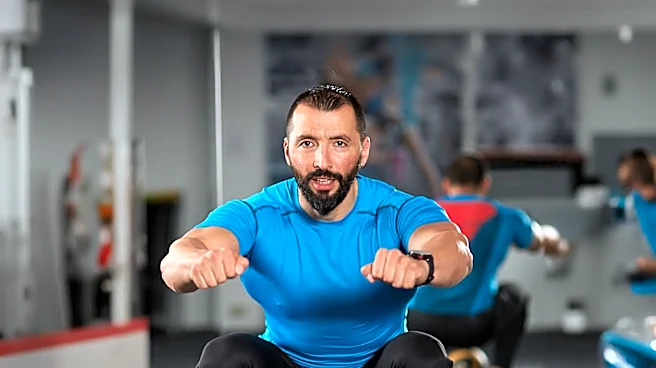
As the ski season approaches, a six-week body preparation plan is recommended to build essential strength, balance, mobility, and stamina for skiing and snowboarding. This plan, detailed by The Art of Healthy Living, advises individuals to adjust sessions
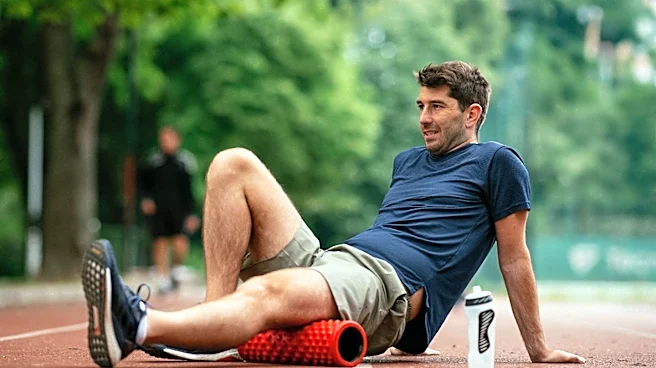
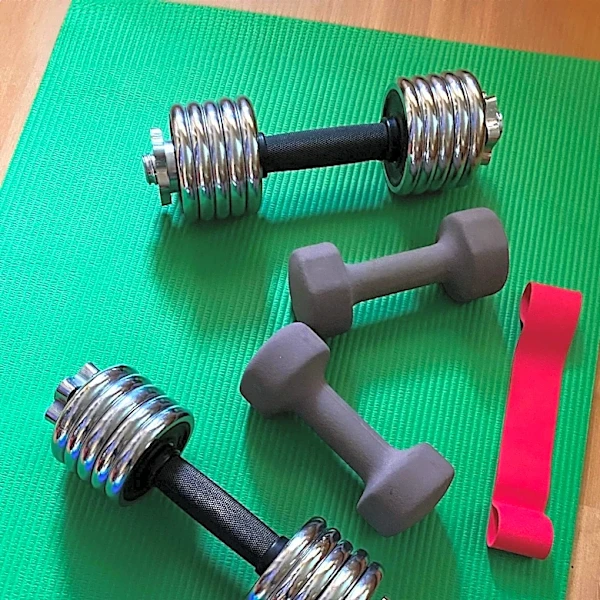
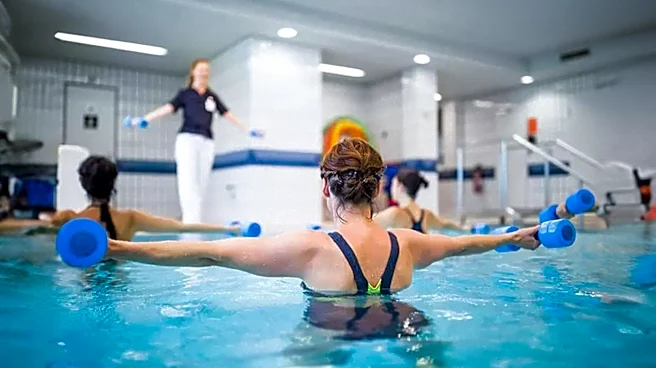
to their current fitness levels and incorporate recovery days. The initial week focuses on establishing a baseline, followed by building lower-body and core strength in week two, and adding balance and lateral control in week three. Week four is dedicated to developing stamina for stop-start efforts, blending cardiovascular endurance with muscular stamina. The program culminates in week five by combining various exercises to strengthen confidence and in week six, a tapering of training volume to ensure freshness before hitting the slopes. The plan stresses the importance of consulting a doctor or physiotherapist for any existing injuries or medical conditions before starting.
Why It's Important?
This pre-season fitness regimen is crucial for mitigating the risks of injury and enhancing overall performance and enjoyment during the ski season. Skiing demands specific physical attributes, including strong legs, core stability, balance, and endurance, which are often not adequately developed through general fitness routines. By proactively preparing the body, skiers can prevent common issues such as muscle fatigue, loss of control, and increased susceptibility to falls. For the U.S. winter sports industry, promoting such fitness plans can lead to a safer and more satisfying experience for participants, potentially encouraging greater engagement and repeat visits to ski resorts. Furthermore, a well-prepared skier is less likely to require medical attention due to preventable injuries, which can indirectly reduce the burden on healthcare systems in ski-heavy regions.
What's Next?
Individuals planning a ski holiday are encouraged to begin this six-week preparation plan immediately to ensure their bodies are adequately conditioned. The final week of the plan involves reducing training volume to ensure the body is fresh and rested for the trip, rather than over-exerting. Beyond physical training, the plan also highlights the importance of adequate sleep, nutrition, and hydration as integral components of a sustainable fitness routine. Skiers should also ensure their gear is in top condition, including skis, bindings, boots, and outerwear, and that their vehicle is prepared for winter travel. Adhering to these recommendations will allow skiers to maximize their time on the mountain, focusing on the enjoyment of the sport rather than battling physical limitations or equipment issues.
Beyond the Headlines
The emphasis on pre-season fitness for skiing reflects a broader trend in recreational sports towards proactive injury prevention and performance optimization. This approach moves beyond simply participating in an activity to understanding and preparing for its specific physical demands. It highlights the interconnectedness of physical well-being, equipment readiness, and overall experience in outdoor sports. Ethically, promoting such preparation underscores a responsibility towards personal safety and the longevity of participation in physically demanding activities. Culturally, it reinforces the idea that enjoyment in sports is often amplified by preparation, transforming a casual hobby into a more engaged and fulfilling pursuit. This holistic view of readiness can also influence how other seasonal or specialized sports are approached, encouraging participants to invest in their physical conditioning year-round.