


What's Happening?
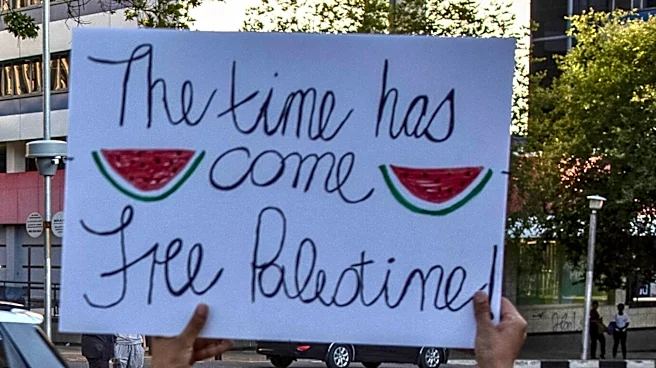
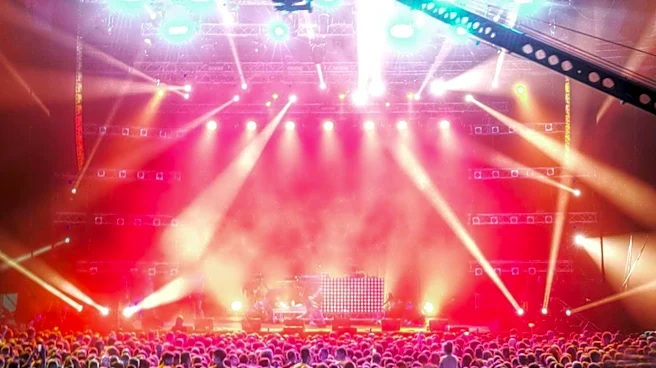
Pop star Pink has faced criticism after amplifying calls for apologies and refunds following Macklemore's pro-Palestinian performance as an opening act for Ed Sheeran. During his set at MetLife Stadium, Macklemore wore a keffiyeh, declared 'Free Palestine,'
and performed his protest song 'Hind's Hall,' which supports Palestinians. Pro-Palestinian imagery was also displayed on the stadium screens. Pink reshared a StopAntisemitism post on her Instagram Story, which criticized Macklemore's message and argued that concertgoers deserved refunds. This action by Pink has divided social media users, with some supporting her stance that political messaging was unexpected at a concert, while others criticized her for attempting to silence Macklemore's political expression.
Why It's Important?
This incident highlights the increasing intersection of celebrity platforms, political activism, and audience expectations in the U.S. entertainment landscape. It underscores the challenges artists face in navigating highly sensitive geopolitical issues, particularly the Israeli-Palestinian conflict, and the potential for backlash from various segments of their fan base and the public. The demand for refunds raises questions about the nature of live entertainment and whether audiences expect a purely apolitical experience, or if artists have a right to use their stage for social commentary. The controversy also reflects the broader polarization within American society regarding the conflict, where public figures' stances can quickly become flashpoints for wider cultural and political debates.
What's Next?
The debate surrounding artists' political expressions at concerts is likely to continue, with potential implications for how event organizers and headlining acts manage opening performances. Ed Sheeran's decision to retain Macklemore for upcoming U.S. dates, despite the controversy, suggests a potential reluctance to intervene in artists' political statements. This situation may prompt other musicians and event promoters to re-evaluate their policies regarding political content during performances. Social media will likely remain a primary battleground for these discussions, influencing public perception and potentially impacting future concert attendance or artist endorsements. The incident could also encourage more artists to either embrace or shy away from political activism, depending on their assessment of the risks and rewards.
Beyond the Headlines
This event touches upon the evolving role of celebrities as cultural and political influencers. In an era of heightened social awareness and instant communication, the line between entertainment and activism has become increasingly blurred. The controversy surrounding Pink's reaction and Macklemore's performance reflects a deeper societal struggle over whose voices are amplified, whose messages are deemed acceptable, and who controls the narrative in public spaces. It also raises questions about the commercial implications of political stances for artists and brands, as well as the ethical considerations of demanding refunds for content that some audience members may find objectionable but others view as legitimate artistic expression. The incident contributes to the ongoing discourse about freedom of speech, artistic integrity, and the responsibilities of public figures.