







What's Happening?
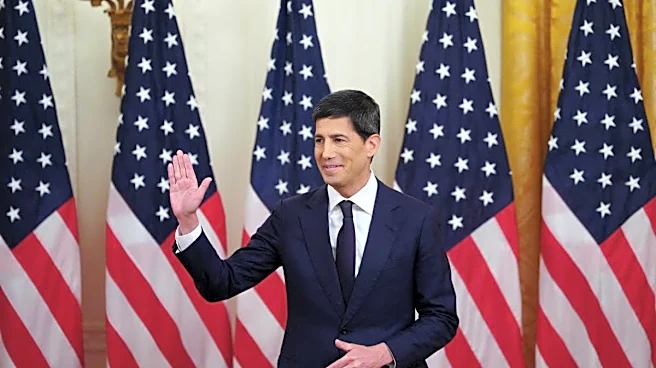
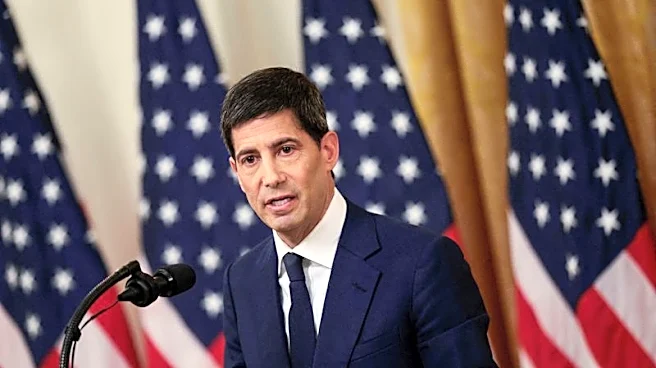
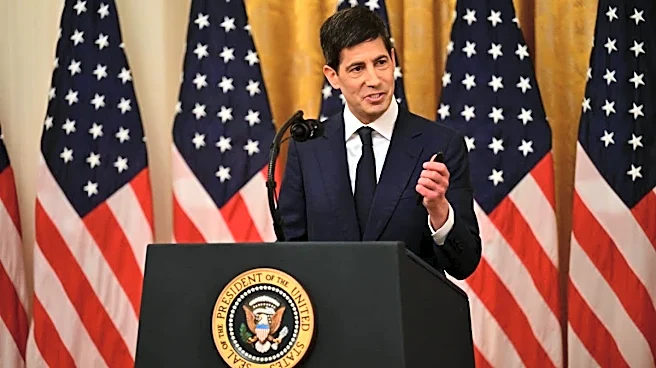
The Federal Reserve, led by Chairman Kevin Warsh, announced that while interest rates remain unchanged for now, a quarter-point increase is expected later this year. This decision is anticipated to have minimal impact on vehicle sales, according to dealers
and analysts. The auto industry is closely watching the Fed's actions, as interest rates influence financing costs for car buyers. Despite the potential rate hike, the current economic environment, including inflation and energy prices, continues to shape consumer behavior and market dynamics.
Why It's Important?
The Fed's signal of a rate hike is crucial for the auto industry, as it affects financing costs for both consumers and dealers. Higher interest rates can lead to increased monthly payments for car loans, potentially deterring some buyers. However, the anticipated minimal impact suggests that the auto market may be resilient to these changes. Dealers and manufacturers will need to adapt their strategies to maintain sales volumes and profitability in a changing economic landscape. The decision also highlights the Fed's focus on managing inflation, which could have broader implications for consumer spending and economic growth.
What's Next?
As the Fed moves towards a potential rate hike, the auto industry will need to monitor economic indicators and adjust financing offers to attract buyers. Dealers may explore alternative strategies, such as promotional financing or incentives, to offset the impact of higher rates. The industry's response to these changes will be critical in maintaining market stability and consumer confidence. Additionally, the Fed's future decisions will continue to influence the economic environment, affecting both the auto industry and broader consumer markets.