

What's Happening?
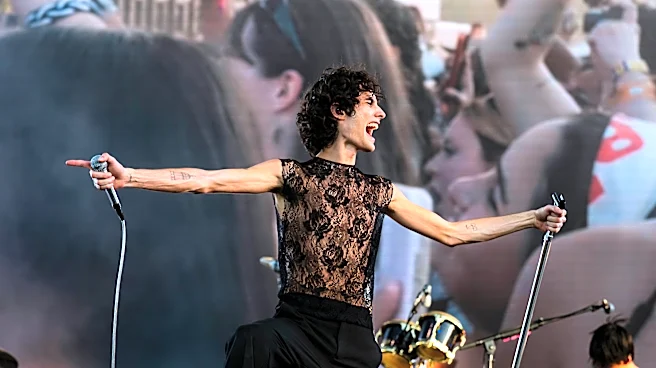
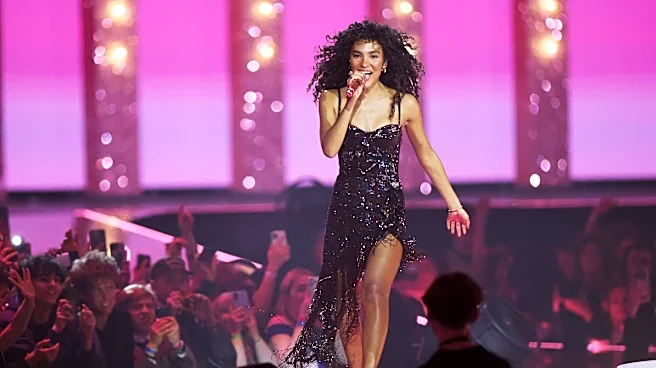
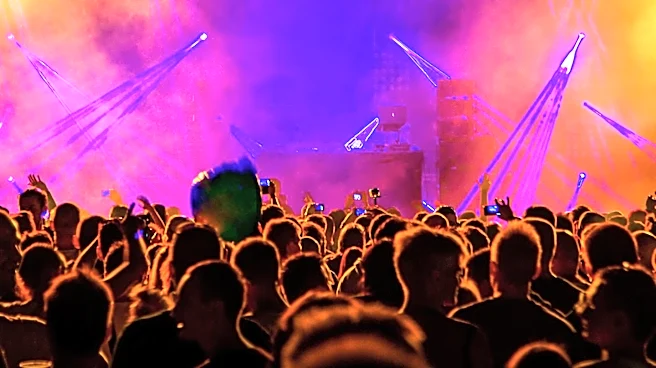
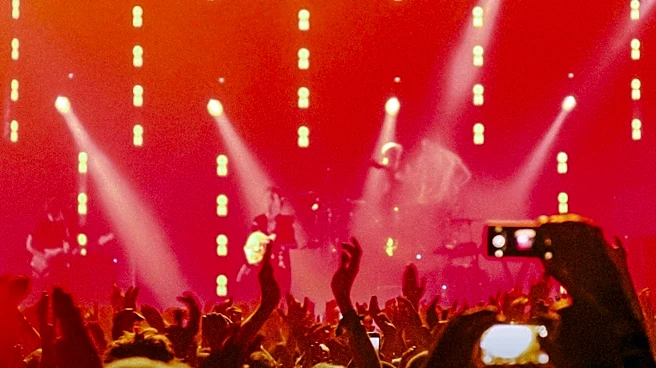
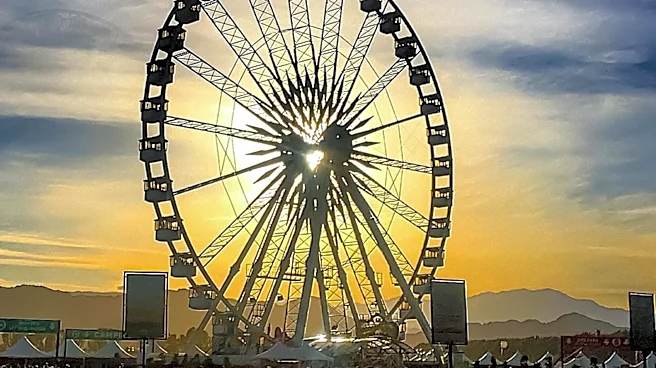
Lollapalooza 2026 has commenced in Chicago's Grant Park, drawing thousands of music enthusiasts to the city. The festival, known for its eclectic mix of performers, began on a sunny Thursday afternoon with acts spread across nine stages. Notable performances
included the Filipino boy band SB19, marking a historic moment as the first P-pop group to perform at the festival. Other artists such as Bella Kay, Blood Orange, Little Simz, and 5 Seconds of Summer also took the stage. The day concluded with a performance by Lorde, who returned to the Lollapalooza stage for the first time since 2017, alongside Chicago's own John Summit. The festival is set to continue with headlining acts like Charli XCX, Olivia Dean, Tate McRae, The xx, Smashing Pumpkins, and Jennie. Speculation is rife about surprise appearances by A-listers such as Olivia Rodrigo and Ariana Grande, with the latter's tour scheduled to hit Chicago soon.
Why It's Important?
Lollapalooza remains a significant cultural event in the U.S., showcasing a blend of established and emerging artists across various genres. The festival not only boosts Chicago's economy by attracting visitors from around the world but also provides a platform for diverse musical acts to reach wider audiences. The inclusion of international artists like SB19 highlights the festival's role in promoting global music trends and cultural exchange. Additionally, the potential appearances of high-profile artists like Olivia Rodrigo and Ariana Grande could further elevate the festival's status and draw even larger crowds, enhancing its impact on the local economy and the music industry.
What's Next?
As Lollapalooza 2026 progresses, attendees can expect more performances from a wide array of artists. The festival's organizers will likely continue to update the lineup with surprise acts, maintaining the excitement and engagement of the audience. The presence of major artists could lead to increased media coverage and social media buzz, potentially influencing future festival lineups and artist collaborations. The festival's success may also encourage other cities to host similar large-scale events, contributing to the growth of the live music industry post-pandemic.