



What's Happening?
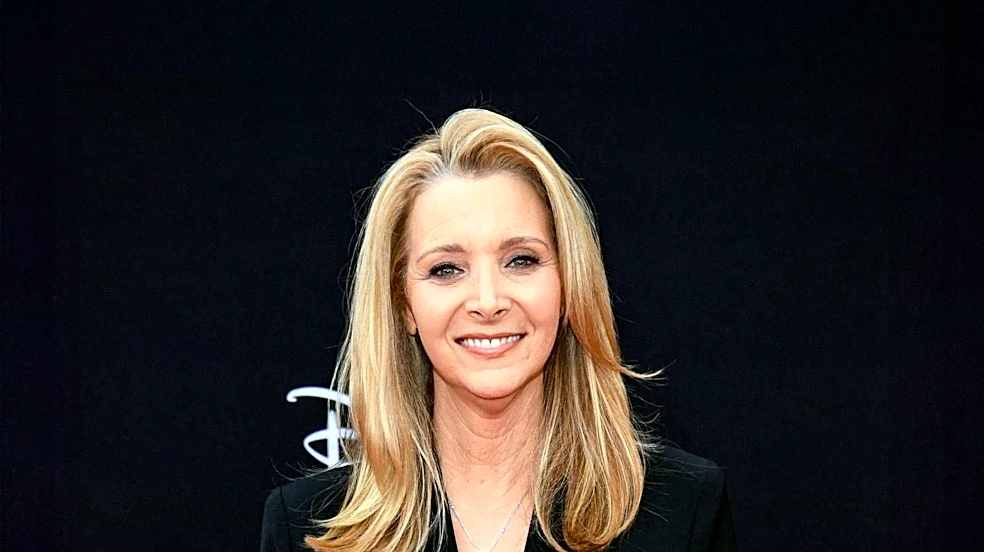
Jennifer Aniston and Lisa Kudrow recently reunited for Variety's Actors on Actors, where they reminisced about their time on the hit show 'Friends' and discussed their current projects. The reunion, which was their first in about a year and a half, saw
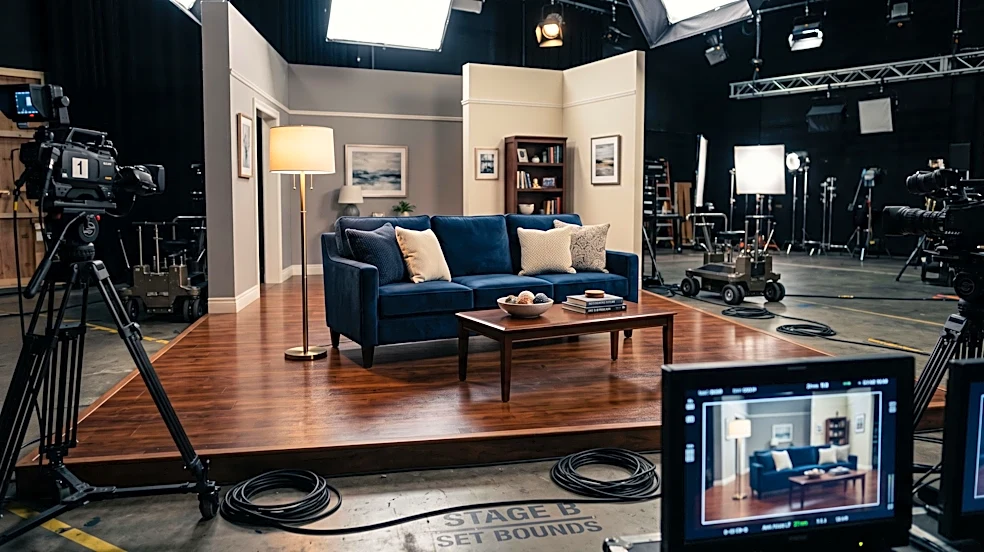
the actresses sharing behind-the-scenes stories and personal anecdotes from their time on the iconic sitcom. Kudrow revealed that she had avoided watching many episodes of 'Friends' for years but recently rewatched the entire series, becoming a superfan herself. They also discussed a near-miss podcast project where they would have rewatched 'Friends' episode by episode. A significant point of discussion was their desire to work together again on a new sitcom, potentially including Courteney Cox. Kudrow also shared that the final season of her show 'The Comeback' was filmed on the same soundstage as 'Friends', Stage 24 at Warner Bros., which deeply moved her. The conversation also touched upon the growing presence of artificial intelligence in the entertainment industry, with Kudrow's show 'The Comeback' directly addressing AI-written comedy, and Aniston sharing her experiences with AI-generated versions of herself.
Why It's Important?
This reunion is significant for fans of 'Friends,' as it offers new insights into the personal and professional lives of two of its main stars. The discussion about a potential new sitcom with Aniston, Kudrow, and Cox highlights the enduring appeal of their chemistry and could signal future collaborations that would undoubtedly draw massive viewership. Their candid conversation about AI in entertainment reflects a broader industry concern regarding the impact of artificial intelligence on creative work and intellectual property. Aniston's experience with AI-generated content underscores the challenges actors face in an evolving digital landscape, raising questions about authenticity, control over one's image, and the future of performance. Kudrow's perspective, suggesting that younger audiences are adept at identifying AI-generated humans, offers a nuanced view on the potential resilience of human artistry against technological replication. These discussions contribute to the ongoing dialogue within Hollywood about adapting to technological advancements while preserving artistic integrity.
What's Next?
While no concrete plans were announced, the expressed desire by Jennifer Aniston and Lisa Kudrow to collaborate on a new sitcom, possibly with Courteney Cox, could spark interest among writers and producers to develop such a project. The idea of a 'Friends' rewatch podcast, which they almost launched, might also be revisited given the continued fan demand for content related to the show. In the broader context of AI, the entertainment industry is likely to continue grappling with the implications of artificial intelligence on content creation, actor likenesses, and intellectual property rights. Discussions like those held by Aniston and Kudrow contribute to a growing awareness and ongoing debate that may lead to new industry standards or regulations regarding AI usage. The experiences shared by the actresses could also encourage other public figures to speak out about their encounters with AI-generated content, further shaping the conversation around this emerging technology.
Beyond the Headlines
The reunion between Jennifer Aniston and Lisa Kudrow transcends mere celebrity gossip, touching upon deeper themes of legacy, friendship, and the evolving nature of media. Their enduring bond, evident in their shared memories and mutual support, highlights the powerful connections forged in long-running productions like 'Friends.' The discussion about AI brings to the forefront ethical and philosophical questions about authenticity and human creativity in an increasingly digital world. As AI technology advances, the entertainment industry faces a critical juncture: how to leverage technological innovation without diminishing the value of human artistry and performance. The actresses' experiences with AI-generated content raise concerns about identity theft and the potential for misinformation, prompting a broader societal conversation about digital ethics and the protection of individual likenesses. This conversation underscores the need for robust legal and ethical frameworks to navigate the complexities of AI's integration into creative fields and daily life.