





What's Happening?
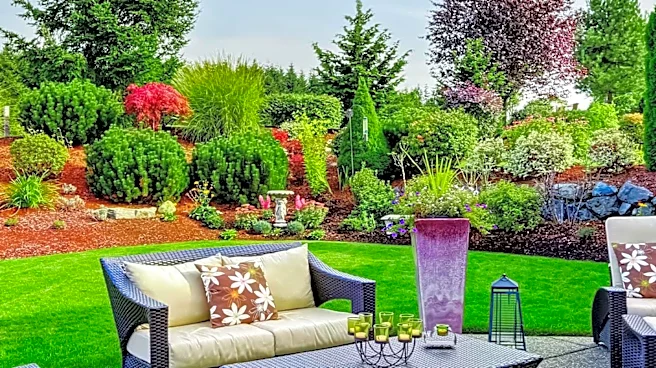
A TikTok user, Sarahli, successfully transformed a 144-square-foot concrete patio to mimic the appearance of natural stone tile for less than $400. This DIY method involves using pavers, a hammer, exterior mortar, outdoor grout or concrete, and a sealer.
The process begins by smashing pavers into irregular pieces to create a cracked tile effect, with a tip to wrap them in a dust sheet to prevent fragments from flying. Professional-grade, heavy tile mortar, suitable for exterior use and compatible with the paver material, is then applied to the concrete patio and the back of each paver piece. These pieces are carefully placed, allowing for a varied design. After the mortar dries according to manufacturer instructions, exterior grout or concrete is piped between the paver pieces and smoothed with a damp sponge. The final step involves applying two coats of masonry sealer using a roller or sprayer, allowing two days for it to fully set before placing outdoor furniture back on the patio. This project offers a cost-effective alternative to expensive natural stone patios, which can range from $6,250 to $11,500, plus labor costs.
Why It's Important?
This DIY patio transformation is significant for homeowners seeking to enhance their outdoor living spaces without incurring the substantial costs typically associated with natural stone installations. The affordability of this method, demonstrated by a project completed for under $400, makes aesthetic upgrades accessible to a broader demographic. By providing a detailed, step-by-step guide, it empowers individuals to undertake home improvement projects that might otherwise be financially prohibitive. The ability to source pavers secondhand further reduces costs, promoting resourcefulness and potentially diverting materials from landfills. This approach not only improves the visual appeal of a property but also adds functional value, creating a more inviting area for entertaining and relaxation. The project highlights a growing trend of practical, budget-friendly solutions in home design, allowing more people to personalize their environments and increase their property's enjoyment without professional intervention.
What's Next?
Homeowners interested in this project can begin by sourcing materials, with a focus on finding pavers affordably through options like Facebook Marketplace or reclamation yards. The next steps involve preparing the concrete patio, which includes cleaning and ensuring it's suitable for the application of mortar. Following the detailed instructions for smashing pavers, applying mortar, grouting, and sealing will be crucial for a successful outcome. Potential reactions from major stakeholders include increased interest in similar DIY home improvement projects, possibly leading to a rise in demand for exterior-grade mortars, grouts, and sealers. Retailers might see an uptick in sales for these specific materials, and online communities dedicated to DIY projects could experience a surge in shared experiences and tips related to this type of patio makeover. The long-term impact could be a shift in consumer expectations regarding the cost and feasibility of achieving high-end aesthetic results through personal effort.
Beyond the Headlines
This DIY patio project taps into a broader cultural shift towards self-sufficiency and creative problem-solving in homeownership. It underscores the ethical dimension of sustainable living by encouraging the use of reclaimed materials, thereby reducing waste and promoting a circular economy. The project also highlights the psychological benefits of personalizing one's living space, as engaging in hands-on creation can foster a sense of accomplishment and connection to one's home. Legally, homeowners should be aware of any local regulations or HOA rules regarding exterior modifications, especially concerning material choices and structural changes. The long-term shift could see a greater appreciation for craftsmanship and unique, custom-made elements over mass-produced alternatives, fostering a more individualized approach to home design. This trend also challenges traditional notions of value, demonstrating that significant aesthetic improvements don't always require a large financial outlay, but rather ingenuity and effort.