








What's Happening?
Oil prices have stabilized near a three-month low as investors assess the implications of a U.S.-Iran peace deal and forecasts from the International Energy Agency (IEA) regarding a future supply glut. Brent crude futures have seen a slight increase,
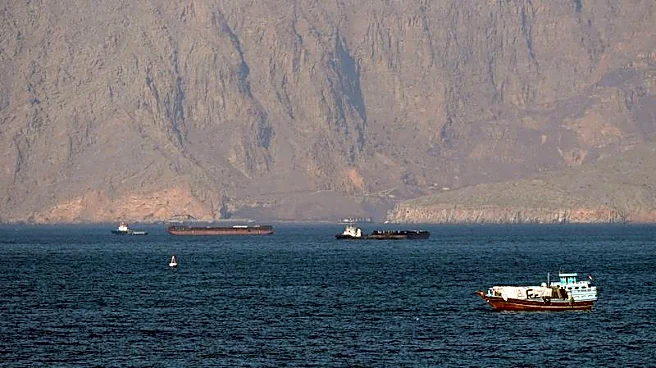
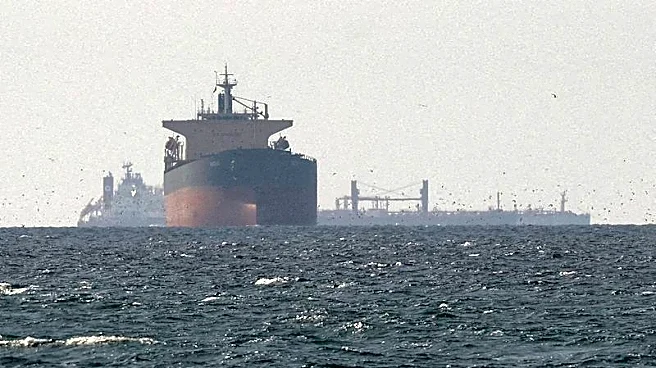
while U.S. West Texas Intermediate has also gained marginally. The potential reopening of the Strait of Hormuz is expected to facilitate the resumption of oil flows, impacting the global oil balance. The IEA has projected a significant supply overhang by 2027, with global supply set to increase substantially. In the short term, the peace deal is anticipated to allow for the replenishment of depleted inventories and the building of new strategic reserves.
Why It's Important?
The stabilization of oil prices following the U.S.-Iran peace deal could have significant implications for global energy markets. The anticipated increase in oil supply may alleviate some inflationary pressures and influence energy prices worldwide. For the U.S., this development could lead to changes in energy policy and economic strategy, particularly in relation to strategic reserves. The IEA's forecast of a supply overhang highlights the potential for long-term shifts in the oil market, affecting producers and consumers alike. The situation underscores the importance of geopolitical stability in maintaining balanced energy markets.
What's Next?
As the U.S.-Iran peace deal progresses, market participants will closely monitor the reopening of the Strait of Hormuz and the resumption of oil exports. The impact on global oil inventories and strategic reserves will be a key focus. Additionally, the response from other geopolitical actors, such as Israel, could influence the stability of the agreement. The Energy Information Administration is expected to release official data on U.S. crude stocks, which will provide further insights into market dynamics. Analysts will continue to evaluate the implications for oil prices and broader economic conditions.