





What's Happening?
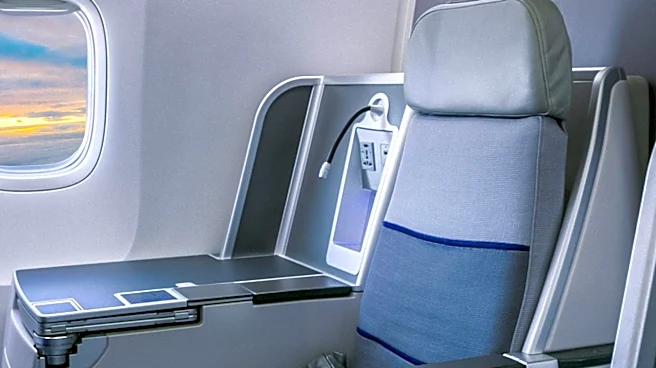
American Airlines has announced a significant shift in its strategy, deciding to reintroduce in-seat video entertainment systems and expand premium seating options across its domestic mainline fleet. This move marks a reversal from its previous approach,
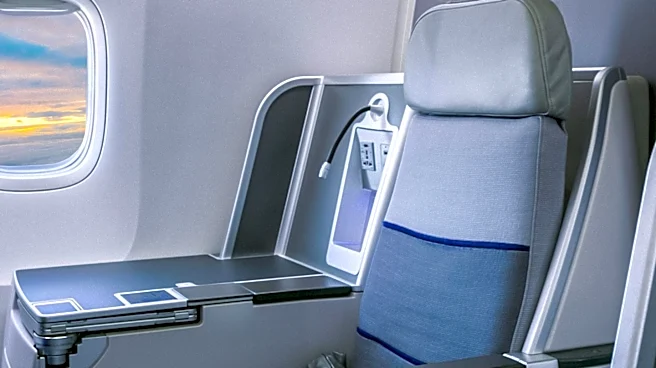
which prioritized a lower-cost, lower-frills model. The airline is currently in the process of removing the last of its pre-merger A319s' seatback screens, making the timing of this announcement notable. The reintroduction of in-seat video will not be immediate, with new aircraft deliveries expected to feature these screens starting in 2028, and retrofits for existing aircraft also anticipated around the same timeline, with the entire mainline narrowbody fleet projected to be completed by the early next decade. Additionally, American plans to increase its premium seat offerings, aiming to raise the percentage of premium seats (extra legroom coach or better) from approximately 25 percent to 40 percent on its narrowbody fleet. This includes adding more Main Cabin Extra seating and potentially an extra row of First Class on aircraft like the A321neo and the upcoming B737-10 MAX.
Why It's Important?
This strategic pivot by American Airlines is highly significant for the U.S. airline industry and its passengers. By reintroducing in-seat video and expanding premium seating, American is aligning itself more closely with competitors like Delta and United, which have long offered these amenities. This move signals American's intent to compete more aggressively in the premium segment, potentially attracting business travelers and those seeking a more comfortable flying experience. For passengers, it means an improved onboard experience with more entertainment options and greater comfort, particularly in economy. Economically, this investment represents a substantial capital outlay for American, involving significant costs for installing new seats and entertainment systems. The airline hopes to justify these costs by gaining market share, enhancing customer loyalty, and exploring new monetization avenues through personalized experiences and advertising on the screens. This shift could also intensify competition among major U.S. carriers, potentially leading to further enhancements in passenger amenities across the industry.
What's Next?
American Airlines will begin the lengthy process of integrating in-seat video systems into its fleet, starting with new aircraft deliveries around 2028 and retrofitting existing narrowbody aircraft. The full implementation across the mainline narrowbody fleet is expected to extend into the early next decade. Concurrently, the airline will proceed with its plans to expand premium seating, which includes adding more Main Cabin Extra seats and potentially increasing First Class capacity on specific aircraft types like the A321neo and B737-10 MAX. This will involve significant cabin reconfigurations and investments in new seating. Passengers can anticipate a gradual rollout of these enhancements, with the full benefits becoming apparent over several years. Competitors will likely monitor American's progress and market response, potentially influencing their own strategies regarding onboard amenities and premium offerings. The airline will also explore how to monetize the new in-seat video systems through advertising and personalized content, following models already being developed by other carriers.
Beyond the Headlines
American Airlines' decision to reintroduce in-seat video and expand premium seating reflects a broader evolution in the airline industry's understanding of passenger expectations and competitive differentiation. For years, American had pursued a strategy of cost-efficiency, often at the expense of onboard amenities. This reversal suggests that the 'race to the bottom' on price alone is no longer sustainable for major network carriers aiming for a premium market position. The move highlights the symbolic importance of seatback screens as a visible indicator of a 'full-service' airline, influencing passenger perceptions and brand loyalty. Furthermore, the emphasis on expanding premium seating, including Main Cabin Extra, indicates a recognition of the growing demand for enhanced comfort and space, even within economy cabins. This shift could also have implications for aircraft manufacturers and suppliers of in-flight entertainment systems, as airlines invest in more sophisticated and integrated cabin technologies. Ultimately, this strategic change by American could reshape the competitive landscape of U.S. domestic air travel, pushing other airlines to innovate further in their passenger experience offerings.