





What's Happening?
James Dolan, the executive chairman and CEO of MSG Knickerbockers Corp. and MSG Rangers Corp., was awarded a one-time cash bonus of $10 million. This bonus was given in recognition of his significant efforts and leadership in the spin-off of the Knicks
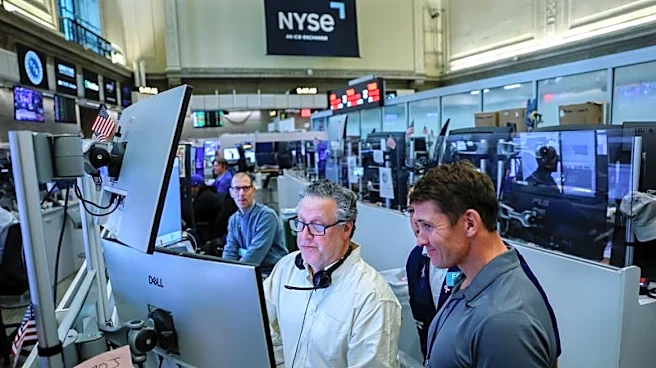
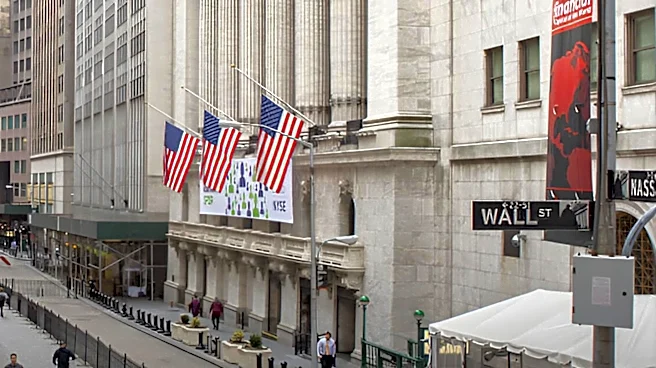
and Rangers into separate publicly traded companies. The award was approved by a three-person compensation committee, which stated its independence and support from independent consultants. The spin-off was finalized on Monday, allowing individual stock purchases for both teams on the New York Stock Exchange. For fiscal year 2026, the Rangers reported an operating loss of approximately $30.5 million, while MSG Sports recorded an operating income of $28.9 million. Financial details specifically for the Knicks were not disclosed. As of Tuesday afternoon, MSG Knickerbockers (MSGK) stock was trading about 4% higher at $302 a share, and MSG Rangers (MSGR) gained under 1% at approximately $190 a share.
Why It's Important?
This $10 million bonus to James Dolan highlights a significant executive compensation practice within the sports and entertainment industry, particularly concerning spin-off transactions. While such awards are common, the size of Dolan's bonus, which is substantially higher than the median of $3 million for similar CEO awards in a study of 29 transactions between 2018 and 2026, stands out. This could raise questions among shareholders and the public regarding executive compensation transparency and justification, especially given the relatively light disclosure around how the figure was determined. The spin-off itself is important as it allows investors to directly invest in the individual sports franchises, potentially altering their market valuation and financial strategies. The financial performance of the Rangers, reporting an operating loss, contrasts with the overall MSG Sports income, indicating varied financial health within the newly separated entities. This move could set a precedent for how other multi-team ownership groups structure their assets and compensate their leadership.
What's Next?
The newly separated MSG Knickerbockers and MSG Rangers will continue to operate as independent publicly traded companies, with their stock performance subject to market dynamics and team performance. The increased scrutiny on James Dolan's compensation may lead to further discussions or demands for greater transparency from shareholders or regulatory bodies, especially concerning the justification of such large bonuses. The teams will need to navigate their financial futures independently, with the Rangers facing the challenge of their reported operating loss. The NFL trade deadline on November 10, 2026, and potential further changes to the trade deadline in future seasons, could influence how other sports franchises manage their rosters and financial strategies. The ongoing performance of both the Knicks and Rangers, particularly the Knicks' recent struggles and controversies, will likely continue to draw public and investor attention.
Beyond the Headlines
The substantial bonus awarded to James Dolan, coupled with the relatively sparse details surrounding its justification, touches upon broader issues of corporate governance and executive accountability in publicly traded companies, particularly those with significant family control. The expert's comment about the disclosure being 'lighter' than what is typical for other public companies suggests a potential lack of transparency that could be attributed to the Dolan family's majority voting control. This situation could fuel debates about the balance between rewarding executive leadership and ensuring shareholder value and public trust. Furthermore, the controversies surrounding the Knicks, such as the ticket pricing error and the phishing test using championship rings as bait, highlight potential internal management issues that could impact the brand reputation and fan engagement, even as the financial structures of the teams are being reorganized. The ability of these newly independent entities to thrive will depend not only on their financial strategies but also on their public image and operational integrity.