







What's Happening?
Brie Reiter Smith, vice chair of Driscoll's board of directors and great-granddaughter of a co-founder, has been appointed CEO of the berry company, effective immediately. She succeeds Soren Bjorn, who served as CEO for less than three years. Bjorn will
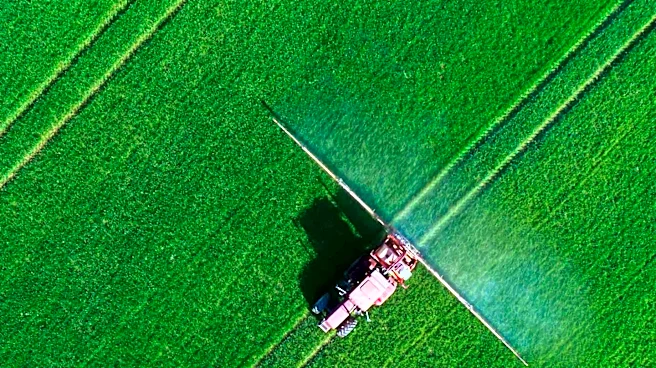
remain with the company during the transition to assist with strategic priorities. This leadership change occurs as Driscoll's faces increasing scrutiny and legal challenges. The company is currently a defendant in a consumer fraud class-action lawsuit alleging deceptive marketing practices and the presence of pesticide residues, including 'forever chemicals' (PFAS), in its strawberries. Additionally, a former manager has filed a whistleblower complaint, claiming wrongful dismissal after raising concerns about growers' compliance with pesticide limits. Activists in California's Pajaro Valley have also been pressuring Driscoll's and local growers to reduce pesticide use and expand organic farming, linking pesticide exposure to elevated childhood cancer rates, though a recent health agency review did not establish a direct link in South County. Smith has previously defended the company against these criticisms and stated her commitment to expanding organic production and reducing reliance on traditional pesticides.
Why It's Important?
This leadership transition at Driscoll's, one of the world's largest berry producers, is significant given the mounting legal and public relations challenges the company faces. The consumer fraud lawsuit, alleging deceptive marketing and the presence of PFAS and other pesticide residues in strawberries, could set a precedent for how food companies are held accountable for product claims and environmental impact. If the allegations are proven, it could lead to substantial financial penalties for Driscoll's and force a reevaluation of marketing strategies across the agricultural industry, particularly concerning 'natural' or 'finest' claims. The whistleblower complaint further highlights potential internal conflicts regarding food safety and regulatory compliance, which could impact corporate governance and ethical standards within large agricultural corporations. The ongoing pressure from activists regarding pesticide use near communities and schools underscores a broader societal demand for more sustainable and health-conscious farming practices, potentially influencing regulatory frameworks and consumer preferences for organic produce. The outcome of these challenges could reshape consumer trust in major food brands and accelerate shifts towards more transparent and environmentally responsible agricultural practices in the U.S.
What's Next?
Brie Reiter Smith's immediate focus as the new CEO will likely be to navigate the ongoing legal battles and public scrutiny surrounding Driscoll's pesticide use and marketing claims. Her previous public defense of the company and stated commitment to expanding organic production suggest a potential shift towards addressing these concerns more directly. Activists have expressed optimism about her appointment, with some planning to meet with her to discuss their concerns, indicating a potential for increased dialogue and engagement between the company and its critics. The class-action lawsuit will proceed, keeping questions about the safety and composition of supermarket fruit in the public spotlight. The legal process will determine the validity of the allegations, and its outcome could influence future regulatory actions regarding pesticide labeling and food safety standards. Driscoll's will need to demonstrate concrete steps towards its stated goals of reducing reliance on traditional pesticides and expanding organic production to rebuild consumer trust and address stakeholder concerns. The company's response to these challenges under new leadership will be closely watched by consumers, regulators, and the broader agricultural industry.
Beyond the Headlines
The situation at Driscoll's extends beyond immediate legal and leadership changes, touching upon deeper ethical and cultural dimensions within the food industry. The allegations of 'forever chemicals' and pesticide residues in widely consumed produce raise fundamental questions about food safety, corporate responsibility, and the efficacy of current regulatory oversight. The lawsuit challenges the very essence of consumer trust in branding and marketing, particularly for products perceived as healthy or premium. This could lead to a broader re-evaluation of how food companies communicate product attributes and the level of transparency expected by consumers. Furthermore, the activist pressure and whistleblower complaints highlight the tension between agricultural productivity, environmental protection, and public health, particularly in communities adjacent to farming operations. The long-term implications could include a societal shift towards demanding more rigorous testing, clearer labeling, and greater accountability from food producers. It may also accelerate the adoption of organic and sustainable farming practices across the industry, driven by both consumer demand and regulatory pressures, ultimately reshaping the landscape of food production and consumption in the U.S.