









What's Happening?
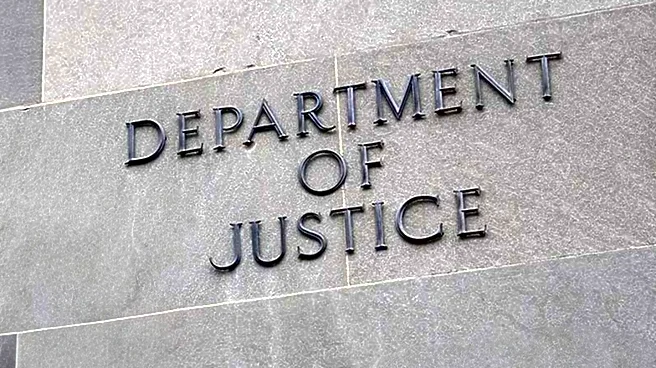
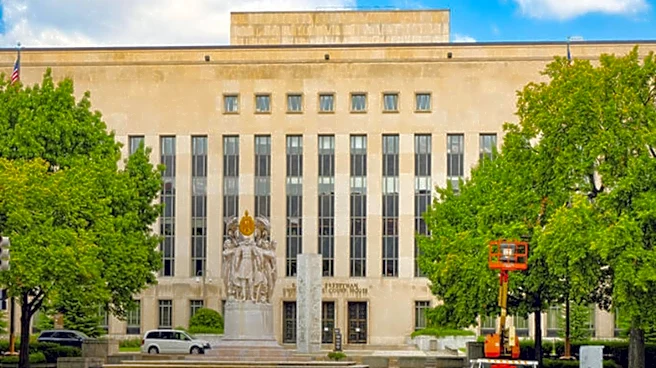
The Department of Justice has charged the three largest egg producers in the United States with colluding to artificially inflate egg prices. This comes as the price of eggs has significantly decreased, now almost 65% cheaper than the all-time high of $6.23
per dozen in March of last year. The previous high prices were attributed to an avian flu outbreak that reduced the hen population, leading to panic buying and purchase limits. The DOJ's charges suggest that behind the scenes, executives at these companies were secretly working together to manipulate the market, despite the natural factors affecting supply and demand.
Why It's Important?
The charges against the egg producers highlight significant concerns about market manipulation and corporate ethics in the food industry. If proven, this collusion could have led to consumers paying inflated prices for a staple food item, impacting household budgets across the country. The case underscores the importance of regulatory oversight in maintaining fair market practices and protecting consumers from corporate greed. It also raises questions about the transparency and accountability of large agricultural companies, which could lead to increased scrutiny and potential regulatory changes in the industry.
What's Next?
The legal proceedings will likely involve a detailed investigation into the business practices of the accused companies. If found guilty, these companies could face substantial fines and be required to implement measures to prevent future collusion. The case may also prompt other industries to review their pricing strategies to ensure compliance with antitrust laws. Additionally, consumer advocacy groups may use this case to push for stronger regulations and oversight in the agricultural sector to prevent similar incidents.