


What's Happening?
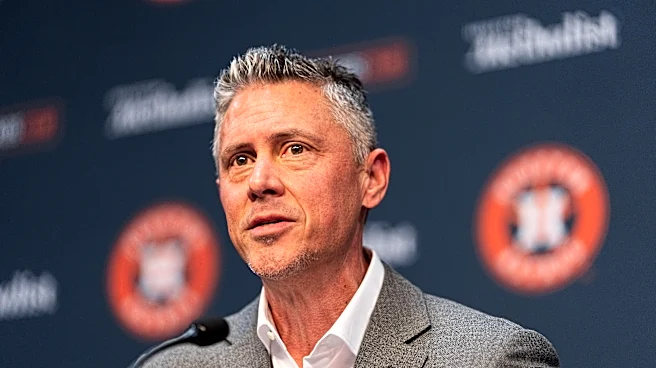
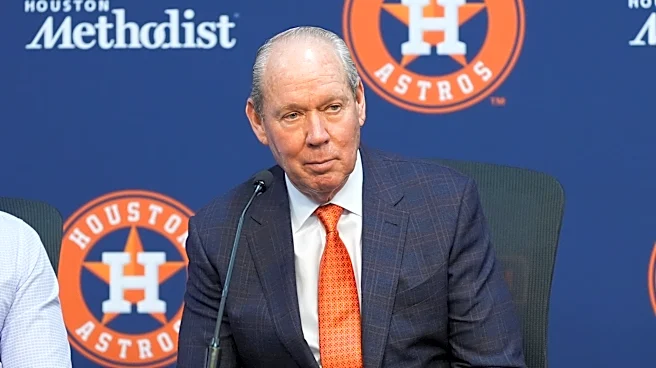
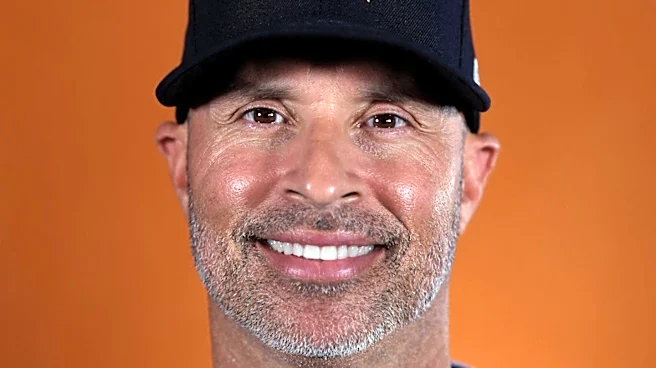
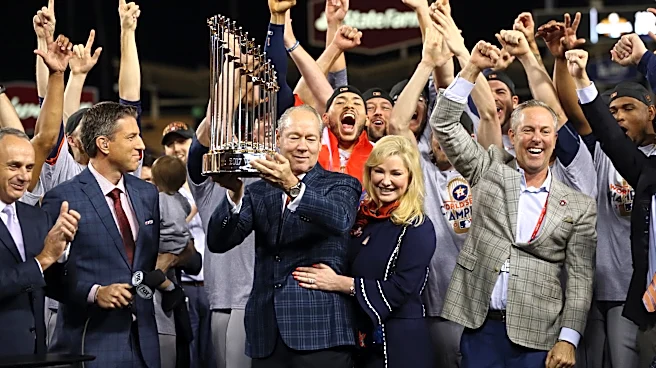
Houston Astros owner Jim Crane has indicated that his level of involvement in the team's baseball operations will not change, even after the recent hiring of new General Manager Randy Flores. During a press conference introducing Flores, Crane stated,
"Nothing’s changed with what I do." This statement follows his earlier assertion that Flores would have "full authority" in his new role. Crane clarified that his past involvement included assisting with player retention and trade deadline acquisitions, activities he intends to continue. This suggests a continuity in the Astros' operational model, where the owner remains deeply engaged in significant baseball decisions, a practice that has been evident since at least mid-2022. The organization's senior advisor, Jeff Bagwell, also continues to hold a unique advisory role directly at Crane's behest, further illustrating the owner's direct influence. The managerial search, which began before Flores's hiring, also points to Crane's ongoing involvement in key personnel decisions.
Why It's Important?
Crane's declaration is significant because it signals that the Astros will likely continue to operate with a less traditional front-office structure, where the owner maintains substantial influence over baseball decisions rather than fully delegating to the general manager. This approach could impact the autonomy of Randy Flores in shaping the team's roster, making trades, and selecting future managers. For the Astros, this means that major strategic decisions, including payroll, contract negotiations, and roster construction, will continue to reflect Crane's preferences. This dynamic could either provide stability through consistent ownership vision or create potential friction if the GM's strategic vision diverges from the owner's. Stakeholders, including players, agents, and fans, will be watching to see how this shared authority impacts the team's competitiveness and long-term strategy, especially as the team navigates key offseason decisions like hiring a new manager and addressing free agents.
What's Next?
The immediate next step for the Astros is to finalize the hiring of a new manager, a process that began before Randy Flores was appointed GM. While Crane stated Flores would now lead this process, the prior interviews conducted under Crane's oversight suggest a collaborative or guided approach. Potential candidates like Brad Ausmus and Albert Pujols have been mentioned, with Ausmus having strong ties to senior advisor Jeff Bagwell and Crane. Flores will also need to work closely with Crane and the existing baseball operations team, which includes individuals he did not hire, to make critical roster moves. The team faces decisions regarding key free agents such as Bryan Abreu, Steven Okert, and Daulton Varsho. The collaboration between Flores and Crane on these immediate personnel and roster decisions will be crucial in defining the team's direction for the upcoming 2027 season and beyond, particularly given Crane's stated goal of remaining competitive rather than undertaking a complete roster teardown.
Beyond the Headlines
The ongoing hands-on involvement of Jim Crane in the Astros' baseball operations raises deeper questions about organizational governance and the evolving role of ownership in professional sports. While owners traditionally set the overall vision and financial parameters, Crane's direct engagement in day-to-day baseball decisions blurs the lines of authority typically assigned to a general manager. This model could lead to a more unified vision if owner and GM are perfectly aligned, but it also carries risks of micromanagement or a lack of clear accountability if decisions are perceived as coming from multiple sources. Ethically, it challenges the conventional wisdom of empowering baseball experts to make baseball decisions. Legally, it doesn't present immediate issues as owners have ultimate control, but it could affect the perception of the GM role within the industry. Culturally, it reinforces a top-down decision-making structure that might influence how the organization attracts and retains talent in both management and on the field.