






What's Happening?
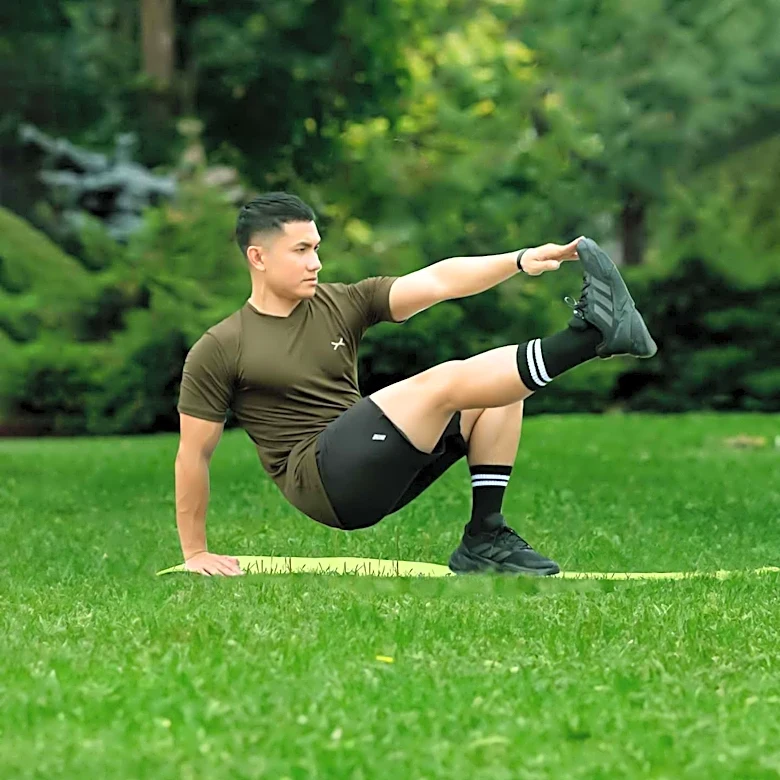
Home workouts encompass a variety of cardio and strength training exercises, providing an accessible alternative to traditional gym memberships. Cardio options include activities like jumping rope, climbing stairs, cardio yoga, and high knees. For strength training,
bodyweight exercises such as push-ups, pull-ups, chin-ups, squats, lunges, glute bridges, calf raises, and planks are recommended. This approach to fitness is highlighted for its cost-effectiveness, flexibility, and scalability, making it suitable for individuals seeking to maintain or improve their physical health without specialized equipment or a gym environment. A simple daily fat-burning routine, requiring no gym or equipment, is also noted as an effective method for fat loss and building strength.
Why It's Important?
The rise of home workouts signifies a significant shift in how individuals approach fitness, offering a more democratic and inclusive pathway to health. This trend is particularly important for economic stakeholders in the fitness industry, as it challenges the traditional gym model and promotes the growth of at-home fitness equipment, online workout platforms, and digital health coaching. For individuals, the cost-effectiveness of bodyweight training removes financial barriers, making regular exercise more attainable. The flexibility of home workouts also addresses time constraints, allowing people to integrate physical activity into busy schedules. This accessibility can lead to improved public health outcomes by encouraging more consistent engagement in physical activity across diverse demographics, potentially reducing healthcare costs associated with sedentary lifestyles.
What's Next?
The continued growth of home workout trends is likely to drive further innovation in fitness technology and digital content. We can anticipate an expansion of online workout programs, virtual personal training services, and smart fitness equipment designed for in-home use. This will likely lead to increased competition among fitness providers, pushing them to offer more diverse and engaging home-based solutions. Additionally, as more people embrace home workouts, there may be a greater emphasis on public health initiatives promoting accessible and equipment-free exercise routines. The development of personalized AI-driven workout plans and augmented reality fitness experiences could also become more prevalent, further enhancing the home workout experience.
Beyond the Headlines
Beyond the immediate benefits of physical health, the widespread adoption of home workouts has broader implications for lifestyle and urban planning. It could lead to a re-evaluation of personal space, with homes increasingly designed to accommodate fitness activities. Culturally, it fosters a greater sense of autonomy and self-reliance in health management, empowering individuals to take charge of their well-being. This shift also raises ethical considerations regarding data privacy with the proliferation of fitness tracking apps and devices. Furthermore, the reduced need for commuting to gyms could contribute to a decrease in carbon emissions, aligning with broader environmental sustainability goals. The long-term impact may include a more integrated approach to health, where physical activity is seamlessly woven into daily life rather than being a separate, scheduled event.