





What's Happening?
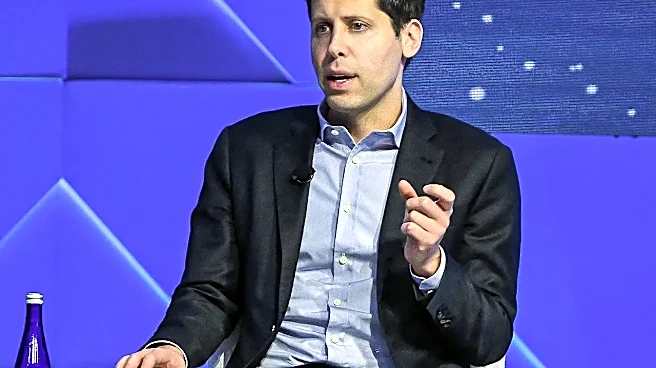
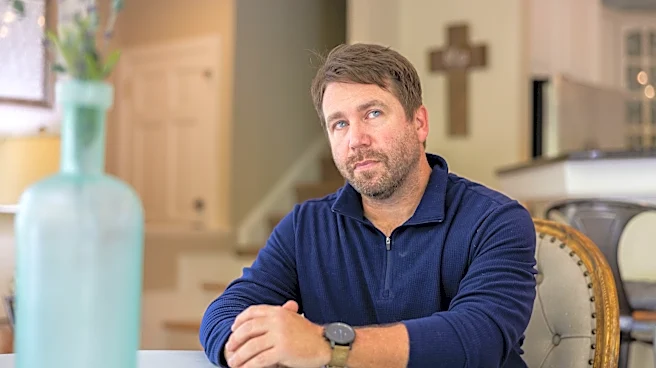
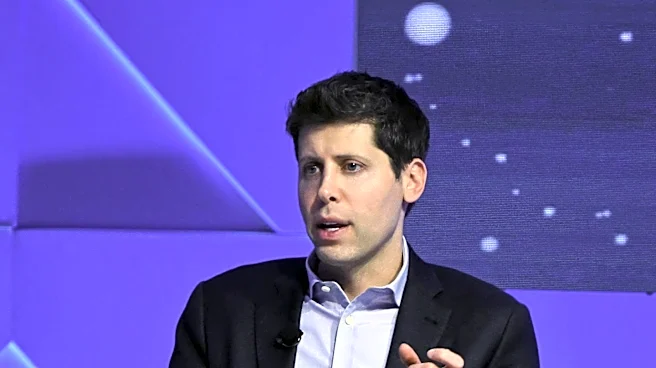
OpenAI is actively engaging with celebrities, a strategy led by former Instagram executive Charles Porch, who was recruited in 2025 by CEO Sam Altman. Porch's role is to foster relationships with prominent figures to integrate them with ChatGPT and other
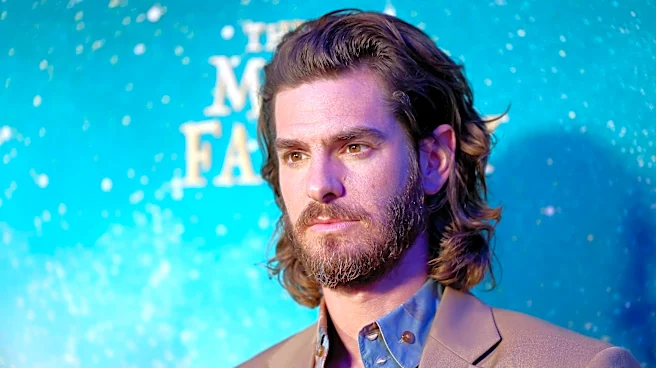
OpenAI technologies. This outreach occurs against a backdrop of increasing concerns within the entertainment industry regarding artificial intelligence's potential threat to workers' livelihoods. For instance, OpenAI's advertising for the World Cup featured soccer player Lionel Messi. However, public backlash led to the postponement of a planned dinner between Altman and actress Gwyneth Paltrow, highlighting the sensitivity surrounding AI's role in creative fields.
Why It's Important?
The engagement of celebrities by OpenAI underscores a strategic effort to normalize and integrate AI into mainstream culture, particularly within the entertainment sector. This is crucial as AI tools capable of handling creative production tasks could significantly reduce opportunities for paid work for actors, writers, and other creative professionals. The financial pressures on entertainment workers are already high, with an unnamed media executive noting that only top-tier talent are consistently employed. By involving celebrities, OpenAI aims to mitigate negative perceptions and potentially shape the narrative around AI's impact, while simultaneously expanding its influence within a powerful cultural industry. This dynamic creates a complex interplay between technological advancement, economic displacement, and public relations.
What's Next?
OpenAI's celebrity outreach is expected to continue, with Charles Porch focusing on building personal connections rather than relying solely on traditional advertising. This approach aims to bring influential figures on board with new AI technologies. However, the ongoing debate within the entertainment industry about AI's effects on creative work will likely intensify. Performers and filmmakers are actively discussing how AI will reshape their professions, with some expressing concerns about job displacement and the quality of AI-generated content. The success of OpenAI's strategy will depend on its ability to address these anxieties and demonstrate the beneficial applications of AI in a way that resonates with both celebrities and the broader creative community, potentially influencing future industry standards and labor agreements.
Beyond the Headlines
Beyond the immediate concerns of job displacement, OpenAI's celebrity engagement raises deeper questions about the future of creative industries and the ethical implications of AI. The integration of AI into creative processes could fundamentally alter how art, film, and music are produced, potentially leading to new forms of expression but also challenging traditional notions of authorship and artistic value. The debate extends to the authenticity of AI-generated content, with some artists expressing skepticism about its emotional depth and originality. Furthermore, the energy and water consumption required by the computing infrastructure behind AI technology present environmental considerations that will become increasingly relevant as AI expands. These ethical, artistic, and environmental dimensions will shape the long-term societal acceptance and regulatory frameworks for AI in creative fields.