



What's Happening?
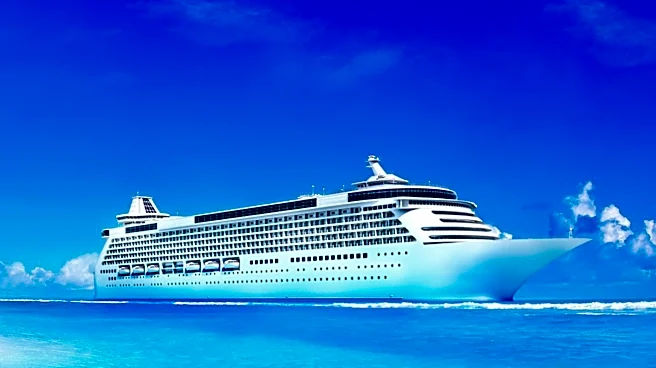
Mickey Arison, the former CEO of Carnival Cruise Lines, approved a maximum budget of $1 billion for the construction of the Queen Mary 2 ocean liner. Naval architect Stephen Payne OBE was tasked with designing the vessel, a project that began with his
childhood ambition. Payne spent two years designing the ship, creating a 60-page specification that was then sent to five European shipyards. The contract with French shipbuilder Chantiers de l'Atlantique was valued at $780 million, with the remaining funds covering owner-supplied items such as televisions, bedding, and interior design fees. The Queen Mary 2 was delivered on schedule and commenced service in 2004. Unlike typical cruise ships, it was specifically engineered for North Atlantic crossings, capable of enduring harsh weather while offering extensive indoor amenities for passengers.
Why It's Important?
This project highlights a significant investment in the luxury cruise and transatlantic travel sector, demonstrating a commitment to high-end maritime engineering and passenger experience. The substantial budget allocated by Arison underscores the economic scale and ambition within the cruise industry to create iconic vessels. The successful delivery and operation of the Queen Mary 2 reinforced the capabilities of European shipbuilders and the strategic vision of Carnival Cruise Lines in diversifying its offerings beyond conventional cruises. For the U.S. market, such developments in luxury travel can influence consumer expectations and competitive strategies among cruise operators, potentially driving innovation in ship design and onboard services to attract affluent travelers.
What's Next?
The Queen Mary 2 continues to operate as a prominent transatlantic ocean liner, maintaining its unique position in the cruise industry. The success of this project could influence future large-scale maritime construction endeavors, particularly in specialized segments like luxury ocean crossings. While no immediate new projects of this exact nature are indicated, the precedent set by Arison's investment and Payne's design could inspire further innovation in shipbuilding and luxury travel experiences. The ongoing demand for unique travel experiences will likely continue to shape investment decisions in the maritime sector, with companies potentially exploring new designs or technologies to cater to evolving passenger preferences.
Beyond the Headlines
The creation of the Queen Mary 2 represents more than just a commercial venture; it embodies a blend of engineering prowess, design ambition, and a nod to the golden age of ocean liners. Stephen Payne's journey from a childhood dream to designing one of the world's most famous ships underscores the impact of individual vision within large corporate projects. The vessel's design, specifically tailored for the challenging North Atlantic, reflects a commitment to functionality and passenger comfort that goes beyond typical cruise ship standards. This project also highlights the global nature of shipbuilding, involving international collaboration between a U.S.-based company (Carnival) and a French shipbuilder, demonstrating complex supply chains and expertise sharing in the maritime industry.