





What's Happening?
For 2027, baby girl nursery design trends are shifting towards warmer, more collected aesthetics, moving away from traditional 'sweet' or overly pink themes. Key trends include the use of earthy colors such as rose-brown pinks, muted mauve, sage green,
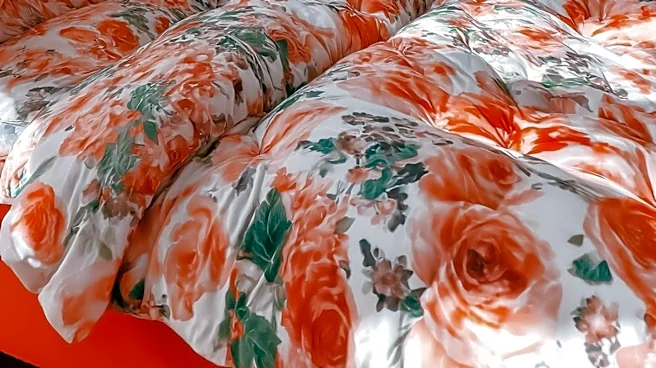
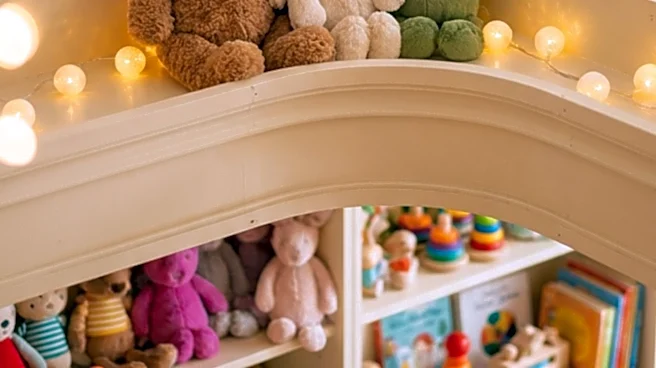
and butter yellow, often with accents of pomegranate red or deep plum. Wallpaper is a prominent feature, with styles like toile, small ditsy prints, traditional florals (roses, hollyhocks), whimsical murals, and chintz making a comeback, though chintz is used more subtly than in past decades. Pattern mixing, particularly gingham with florals, is also gaining popularity. The overall approach aims for rooms that appear to have been curated over time, incorporating vintage elements and warm wood furniture. Designers are also recommending old-fashioned details such as skirted chairs, scalloped edges, and bows to add character without relying on excessive pink.
Why It's Important?
This shift in nursery design reflects broader consumer preferences for sustainability, longevity, and personalized spaces. By favoring earthy tones and vintage-inspired elements, parents are investing in designs that can grow with a child, reducing the need for frequent redecorating. This trend impacts the interior design industry, influencing manufacturers of wallpaper, furniture, and textiles to produce items that align with these aesthetics. Retailers will likely adjust their inventory to stock more muted color palettes and classic patterns. For consumers, it offers more sophisticated and versatile options for nursery decor, moving away from potentially dated or overly gender-specific themes. The emphasis on 'collected' rooms also encourages the integration of heirloom pieces or unique finds, promoting a more conscious and less disposable approach to decorating.
What's Next?
As these trends gain traction, expect to see a wider availability of wallpapers featuring toile, ditsy prints, and traditional florals in muted color schemes. Furniture manufacturers may introduce more pieces in warm wood tones and designs that incorporate vintage details like skirted bases or scalloped edges. Interior designers specializing in nurseries will likely highlight these styles in their portfolios and recommendations. Consumers can anticipate more resources and inspiration for creating nurseries that blend classic charm with modern sensibilities, moving away from the 'gray and white with pink accents' look that is becoming dated. The market will likely respond with innovative products that cater to the demand for durable, adaptable, and aesthetically pleasing nursery decor that transcends fleeting fads.
Beyond the Headlines
The move towards more 'collected' and less overtly 'babyish' nursery designs signifies a cultural shift in how childhood spaces are perceived. It suggests a desire for children's rooms to integrate more seamlessly with the overall home aesthetic, reflecting a broader trend of sophisticated and timeless interior design. This approach can foster a sense of continuity and comfort for children as they grow, as their surroundings evolve gracefully rather than requiring complete overhauls. Ethically, it promotes a more sustainable consumption model by encouraging investment in quality, versatile pieces that have a longer lifespan. It also subtly challenges traditional gender stereotypes in decor by offering alternatives to overwhelmingly pink or blue themes, allowing for more nuanced and personalized expressions of style in children's spaces.