





What's Happening?
A new global survey conducted by MyIQ has revealed a significant shift in how young adults perceive relationships, with many opting for a lifestyle trend known as 'Solo Maxxing.' This trend emphasizes the benefits of remaining single, such as increased
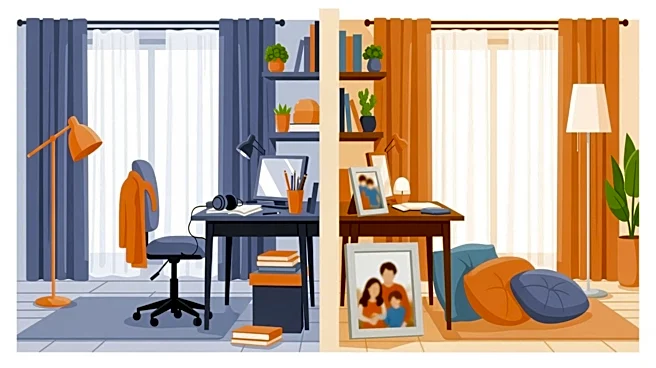
personal time, reduced emotional demands, and financial focus. The survey, which included responses from 14,380 adults across various regions including the U.S., found that nearly half of adults aged 18 to 34 feel that being single offers more peace than being in a relationship. The trend is seen as a response to economic pressures, emotional burnout, and dating fatigue, with young people increasingly viewing single life as a form of self-protection rather than loneliness. Sarah Meyer, Managing Director at MyIQ, notes that this reflects a broader reassessment of emotional costs associated with relationships, as young adults prioritize emotional peace, autonomy, and personal development over traditional romantic partnerships.
Why It's Important?
The rise of 'Solo Maxxing' among young adults highlights a cultural shift in how fulfillment and stability are defined. As economic uncertainty and digital exhaustion continue to impact early adulthood, many young people are reevaluating the role of romantic relationships in their lives. This trend could have significant implications for societal norms and the economy, as traditional milestones like marriage and family formation are delayed or reconsidered. Businesses and industries that rely on consumer spending related to weddings, housing, and family-oriented products may need to adapt to changing consumer priorities. Additionally, the emphasis on personal development and autonomy could influence workplace dynamics, as young adults seek careers that align with their values and lifestyle choices.
What's Next?
As 'Solo Maxxing' gains traction, it is likely to influence future societal trends and economic patterns. Businesses may need to adjust their marketing strategies to appeal to single consumers who prioritize personal growth and financial independence. The trend could also prompt discussions around mental health and well-being, as individuals seek to balance personal peace with social connections. Policymakers and social institutions might explore ways to support this demographic, ensuring that societal structures accommodate diverse lifestyle choices. The ongoing dialogue about the value of relationships and personal fulfillment is expected to continue, potentially reshaping cultural expectations and norms.
Beyond the Headlines
The 'Solo Maxxing' trend raises questions about the long-term implications for social structures and community engagement. As more young adults choose to remain single, there may be shifts in how communities are formed and maintained. The trend also highlights the importance of mental health and emotional well-being, as individuals prioritize self-care and personal peace. This could lead to increased demand for mental health services and support systems that cater to single individuals. Additionally, the trend may challenge traditional gender roles and expectations, as both men and women redefine what it means to lead a fulfilling life without a romantic partner.