
What's Happening?
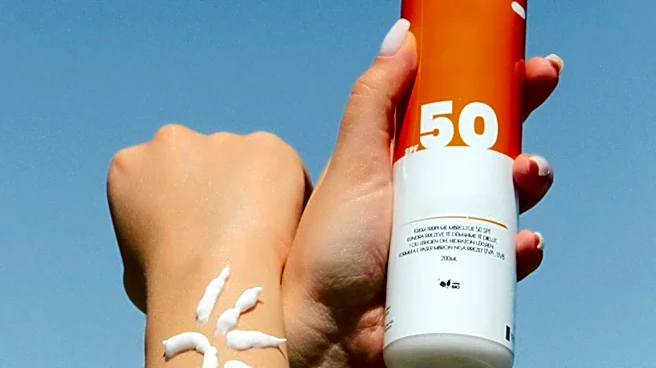
Despite common concerns, everyday sunscreen use has not been shown to cause vitamin D deficiency, according to field trials and population studies. While sunscreen filters most UVB radiation in laboratory
settings, real-world application methods allow sufficient UVB to penetrate the skin for vitamin D synthesis. A 2019 review in the British Journal of Dermatology found that while artificial UV lamps showed reduced vitamin D production with sunscreen, randomized field trials with daily SPF 15 use had no effect on vitamin D levels. Furthermore, a study of individuals on a sunny holiday in Tenerife showed that those who properly applied SPF 15 still experienced an increase in their blood vitamin D levels. Experts, including the American Academy of Dermatology (AAD), emphasize that vitamin D should not be obtained from unprotected UV exposure due to the associated skin cancer risks. The AAD states there is no scientifically validated safe level of UV exposure that maximizes vitamin D without increasing skin cancer risk.
Why It's Important?
This clarification is crucial for public health in the U.S., as it addresses a persistent misconception that could deter individuals from using essential sun protection. Skin cancer rates remain a significant concern, and consistent sunscreen use is a primary defense. Dispelling the myth that sunscreen causes vitamin D deficiency encourages broader adoption of sun-safe practices, potentially reducing the incidence of skin cancers. For individuals who must avoid sun exposure for medical reasons, such as those with lupus or on photosensitizing medications, this information reinforces the importance of alternative vitamin D sources like diet and supplements, rather than risking their health through unprotected sun exposure. The emphasis on broad-spectrum SPF 30 or higher, combined with shade and UPF 50+ clothing, provides a comprehensive approach to sun protection without compromising vitamin D levels, ensuring both skin health and overall well-being.
What's Next?
Public health campaigns and dermatological organizations will likely continue to educate the public on the importance of consistent sun protection and the lack of a link between sunscreen use and vitamin D deficiency. Individuals who have concerns about their vitamin D levels, particularly those with limited sun exposure or specific medical conditions, are advised to consult their doctor for testing and guidance on supplements. The recommendation is to separate the jobs of sun protection and vitamin D intake: use broad-spectrum SPF 30 or higher, seek shade during peak UV hours, and cover up with protective clothing for skin health, while obtaining vitamin D through diet or doctor-advised supplements. Further research may explore the effects of higher SPF sunscreens (SPF 30 and above) on vitamin D synthesis in real-world conditions, as most studies have focused on SPF 15.
Beyond the Headlines
The ongoing debate about sunscreen and vitamin D highlights a broader challenge in public health communication: how to effectively convey nuanced scientific information to a general audience, especially when it contradicts intuitive assumptions. The 'application gap'—where people apply far less sunscreen than the amount used in lab tests—is a key factor in why real-world vitamin D levels are maintained, but it also means that actual sun protection is often lower than indicated on the label. This underscores the need for clearer instructions on proper sunscreen application and reapplication. The issue also touches on the commercialization of health products, with some products being marketed as 'vitamin D sunscreen,' which can further confuse consumers. Ultimately, the scientific consensus reinforces that the benefits of sun protection in preventing skin cancer far outweigh the unsubstantiated fear of vitamin D deficiency from sunscreen use, advocating for a balanced approach to health and wellness.