





What's Happening?
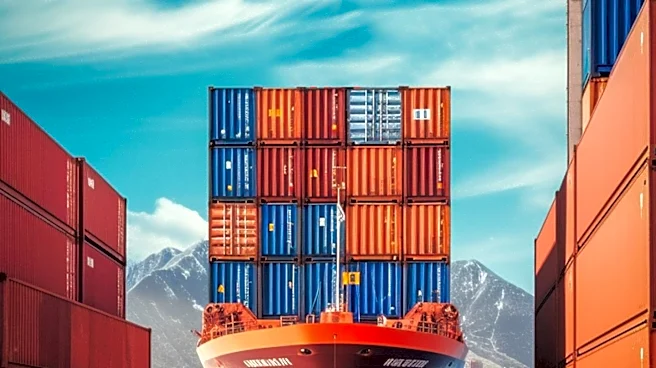
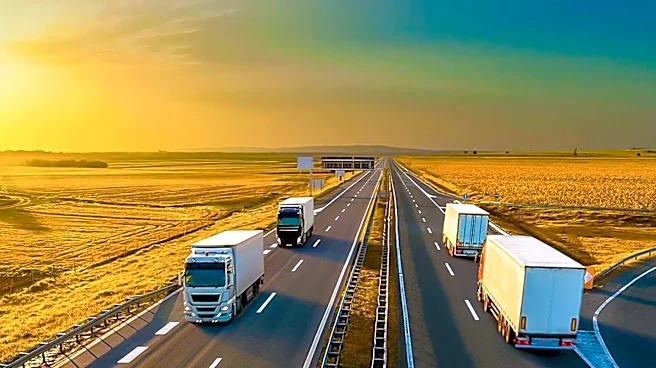
Nestlé, a Swiss multinational food and beverage company, is actively recruiting for an Import/Export Specialist based remotely in New Jersey. This role is crucial for managing the consistent flow of Nestlé-controlled ocean, air, and surface traffic to
and from foreign destinations, specifically focusing on international shipments imported to and exported from the U.S. The specialist will be responsible for monitoring, resolving issues, and communicating with internal and external parties to ensure timely movement of these shipments. Key responsibilities also include collaborating with global transportation, demand/supply planning, warehousing, third-party logistics providers, ocean carriers, and drayage carriers. The position aims to limit supply-chain costs and risks while driving process improvements and managing relationships with import/export vendors. Candidates are expected to have a minimum of two years of experience in international logistics, working with port terminals, dray carriers, and steamship lines, and possess an undergraduate degree in Business or a related field, or equivalent experience. The role offers a salary range of $62.7k - $78.9k per year.
Why It's Important?
This recruitment highlights Nestlé's ongoing commitment to strengthening its supply chain and logistics operations within the U.S. The efficient management of imports and exports is vital for a company of Nestlé's scale, which distributes a wide range of packaged foods and beverages globally. A robust import/export function directly impacts product availability, cost efficiency, and customer satisfaction in the U.S. market. Delays or inefficiencies in this area can lead to increased operational costs, potential product shortages, and damage to brand reputation. By investing in specialized talent for this role, Nestlé aims to mitigate these risks, optimize its international trade processes, and ensure a seamless flow of goods. This position also reflects the broader trend of companies seeking to enhance their supply chain resilience in an increasingly complex global trade environment, directly affecting the availability and pricing of consumer goods for U.S. households.
What's Next?
The successful candidate will be expected to immediately contribute to optimizing Nestlé's international logistics processes. This will involve leading and managing projects aimed at improving end-to-end execution and functional processes, resolving problems independently, and providing solutions that consider both business and customer impact. The specialist will also be tasked with determining annual container forecasts, selecting preferred carriers, and managing allocations with steamship lines. Furthermore, they will manage claims related to damages during international shipping and serve as an internal subject matter expert for international logistics processes and industry trends. This continuous improvement focus suggests that Nestlé is looking to adapt to evolving trade landscapes and maintain a competitive edge in the U.S. food and beverage market. The role also involves attending international logistics seminars, conferences, and presentations, indicating a commitment to staying current with industry best practices and regulatory changes.
Beyond the Headlines
The demand for skilled import/export specialists, as evidenced by Nestlé's hiring, underscores the increasing complexity of global supply chains and the critical role of logistics in the modern economy. Beyond the immediate operational benefits for Nestlé, this trend reflects a broader need across U.S. industries for expertise in navigating international trade regulations, customs compliance, and transportation networks. The emphasis on limiting supply-chain costs and risks, while driving process improvements, points to a strategic imperative for companies to build more resilient and efficient global trade operations. This role also touches upon the ethical and environmental considerations within logistics, as optimized routes and processes can contribute to reduced carbon footprints and more sustainable supply chains. The ability to manage relationships with diverse external partners, from third-party logistics providers to government agencies, highlights the intricate web of collaboration required to move goods across borders effectively, impacting everything from consumer prices to national economic stability.