




What's Happening?
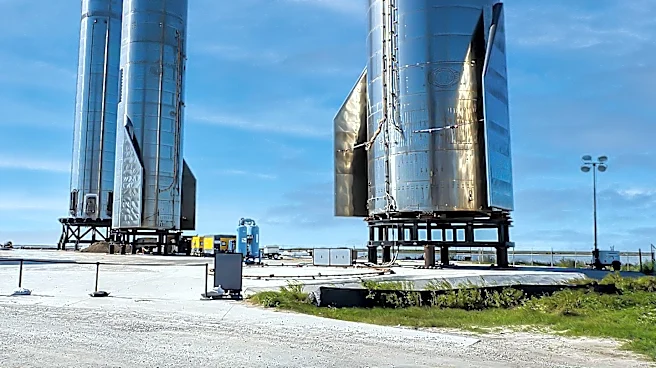
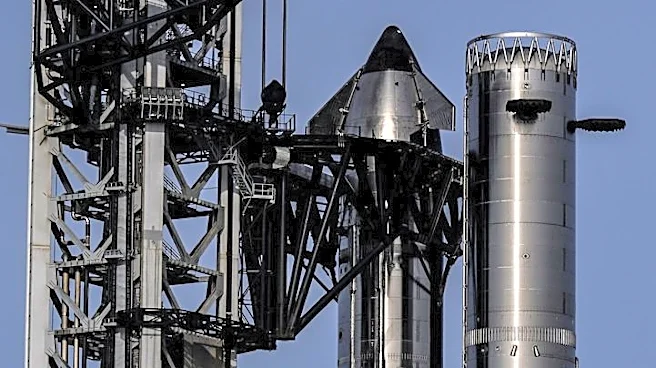
SpaceX successfully conducted the 13th test flight of its Starship rocket, marking a significant milestone with the first intact water landing. The launch took place from Starbase at 6:51 pm EDT, and the rocket splashed down in the Indian Ocean approximately
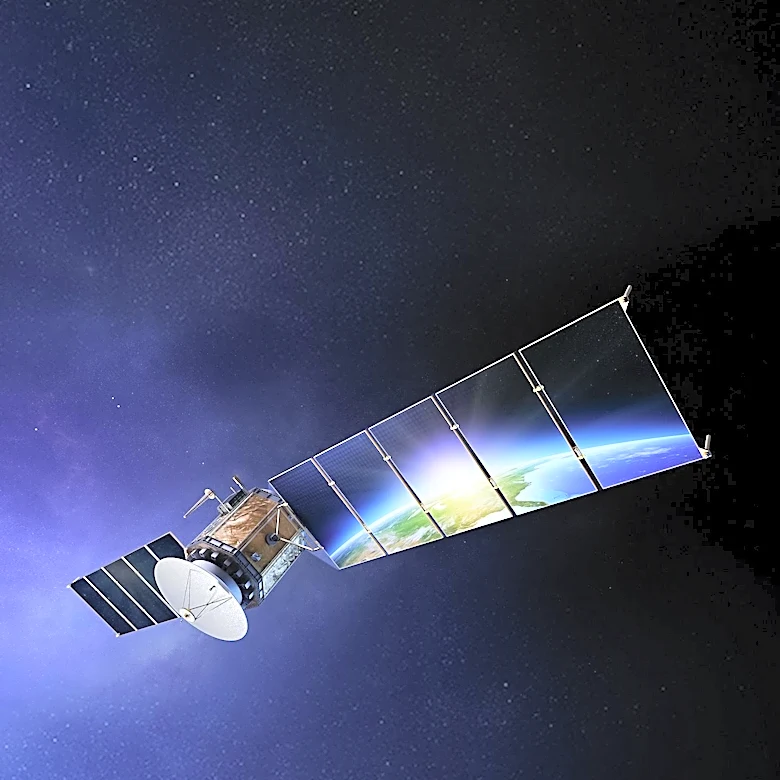
65 minutes after liftoff. This test was notable for the Starship's ability to withstand higher dynamic pressure during ascent and its intact descent from speeds over Mach 20 to subsonic levels. The vehicle was equipped with over 18,000 ceramic tiles to endure reentry temperatures exceeding 1,400 degrees Celsius. During the flight, SpaceX also deployed 20 Starlink V3 satellites, marking the first deployment of operational satellites after previous flights with dummy payloads. The mission demonstrated improvements in the Starship's performance, including a successful in-space relight of a Raptor engine.
Why It's Important?
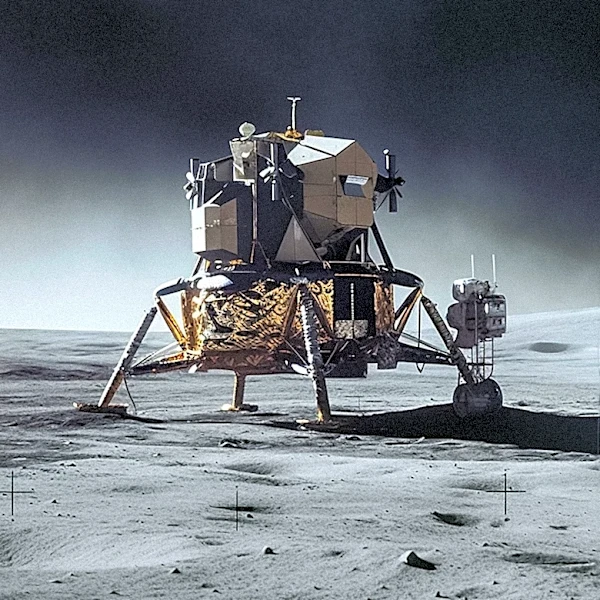
This successful test flight is a crucial step for SpaceX as it advances its Starship program, which is central to the company's long-term goals. The ability to achieve an intact water landing demonstrates significant progress in the vehicle's design and operational capabilities. This development is expected to enhance the deployment rate of SpaceX's Starlink V3 satellite constellation, which aims to provide global internet coverage. Additionally, the Starship is integral to NASA's Artemis missions, with plans to dock with the Orion spacecraft and land astronauts on the Moon. The success of this test flight also paves the way for future orbital attempts, which are essential for SpaceX's vision of enabling human life on Mars and beyond.
What's Next?
Following the successful water landing, SpaceX plans to attempt a tower catch on the next flight, contingent on a favorable data review. The company is also preparing for its first orbital attempt, which could occur as early as the next flight if the data from Flight 13 is clean. SpaceX is constructing two additional Starship launch pads in Florida to support these future missions. The continued development and testing of the Starship are critical for its role in upcoming NASA missions and the expansion of SpaceX's satellite internet services.