
What's Happening?
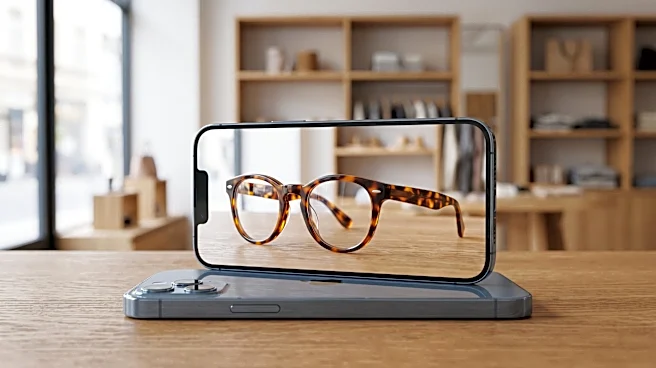
Augmented reality (AR) is revolutionizing the fashion retail sector by enabling consumers to virtually try on clothing and accessories. This technology allows shoppers to use their phone cameras or smart
mirrors to see how garments would look on them, bridging the gap between online browsing and in-person shopping. For designers, AR facilitates the digital creation of entire collections, reducing the need for physical samples and minimizing waste. This digital approach also fosters greater collaboration among international teams, allowing them to review designs in real-time. While virtual try-ons offer a visual representation of how a garment might appear on a body type similar to the shopper's, they do not provide precise measurements of body size or confirm exact fit. Therefore, consumers are still advised to consult size guides and review return policies.
Why It's Important?
The integration of augmented reality into fashion retail holds significant implications for U.S. industries and consumers. For retailers, this technology can lead to reduced return rates, as customers gain a clearer understanding of how products might look on them before purchase. This can translate into substantial cost savings associated with reverse logistics and improved customer satisfaction. For consumers, virtual try-ons enhance the online shopping experience by offering a more interactive and personalized preview of products, potentially increasing purchase confidence. The ability for designers to create collections digitally also promotes sustainability by cutting down on material waste and accelerating the design process. This shift could redefine luxury, emphasizing not just product quality but also the thoughtfulness and environmental responsibility of its creation.
What's Next?
The continued adoption of augmented reality in retail is expected to expand, with more brands integrating virtual try-on features into their e-commerce platforms. This will likely lead to further innovation in AR technology, potentially incorporating more precise fit measurements or personalized recommendations based on individual body data. As the technology becomes more sophisticated, it could also influence in-store experiences, with smart mirrors becoming a common feature in physical retail spaces. The industry may also see a rise in digital-only fashion, where garments are designed exclusively for avatars and virtual environments, pushing the boundaries of traditional fashion. Additionally, there will be an increased focus on addressing data privacy concerns related to the collection of personal data through smart garments and virtual try-ons.
Beyond the Headlines
The widespread use of augmented reality in fashion raises deeper questions about consumer behavior, data privacy, and the future of physical retail. As virtual try-ons become more prevalent, consumers may develop new expectations for online shopping, demanding more immersive and personalized experiences. The collection of personal data through AR applications will necessitate robust privacy policies and transparent communication from companies regarding data usage. Furthermore, the rise of digital fashion could challenge traditional notions of ownership and consumption, as virtual garments become a form of self-expression in digital spaces. This technological shift also highlights the evolving role of human craftsmanship in an increasingly automated industry, where technology handles routine tasks, allowing artisans to focus on intricate details and creative endeavors.