






What's Happening?
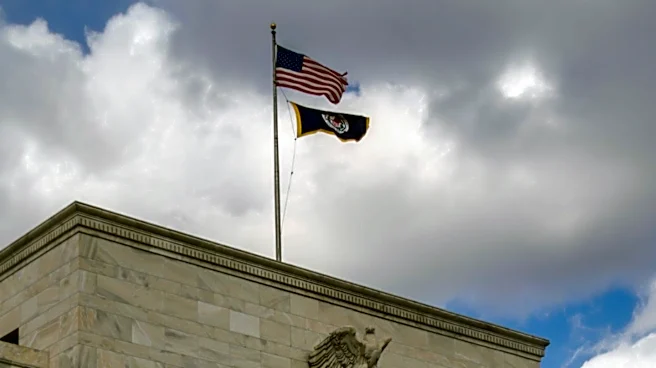
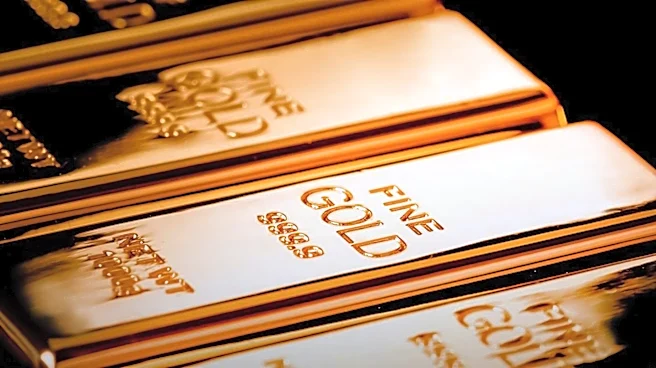
Gold prices have risen, reaching a 10-week high, as investors adjust their expectations regarding potential Federal Reserve interest rate hikes. The increase in gold prices is attributed to a reduction in the likelihood of rate hikes, following weaker-than-expected
US jobs data. This has led traders to reassess the probability of a rate hike in September, now estimated at 50%, down from 60% prior to the jobs report. The upcoming US Consumer Price Index data is anticipated to further influence market expectations and the Federal Reserve's policy decisions. Gold's appeal is enhanced in a low-interest-rate environment, as it does not yield interest.
Why It's Important?
The fluctuation in gold prices reflects broader economic uncertainties and the market's sensitivity to Federal Reserve policy changes. As a traditional safe-haven asset, gold's rising value indicates investor caution amid economic data releases. The potential shift in interest rate expectations could have significant implications for financial markets, influencing investment strategies and economic forecasts. This development underscores the interconnectedness of global financial systems and the impact of US economic indicators on international markets. Stakeholders, including investors and policymakers, must navigate these dynamics to manage risks and opportunities effectively.
What's Next?
The release of the US Consumer Price Index data will be a critical factor in shaping future interest rate expectations and market movements. Depending on the inflation data, the Federal Reserve may adjust its monetary policy stance, impacting gold prices and broader financial markets. Investors will closely monitor these developments to inform their investment decisions. Additionally, geopolitical factors, such as tensions in the Middle East, may further influence market volatility and commodity prices. Stakeholders should remain vigilant and adaptable to navigate the evolving economic landscape.