





What's Happening?
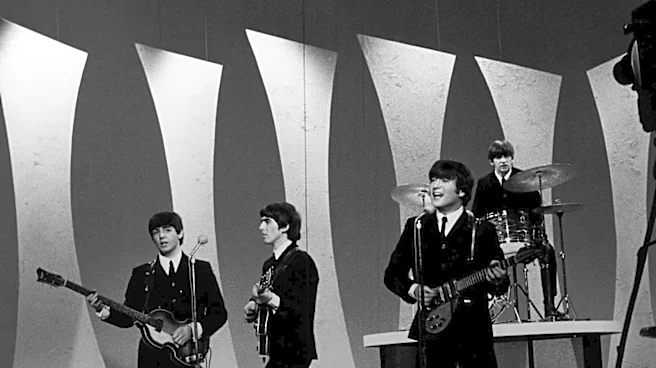
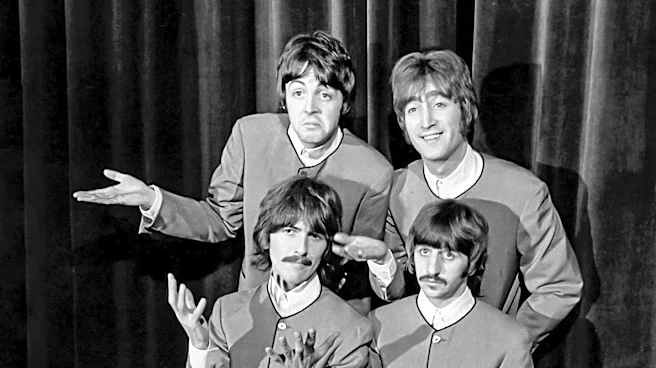
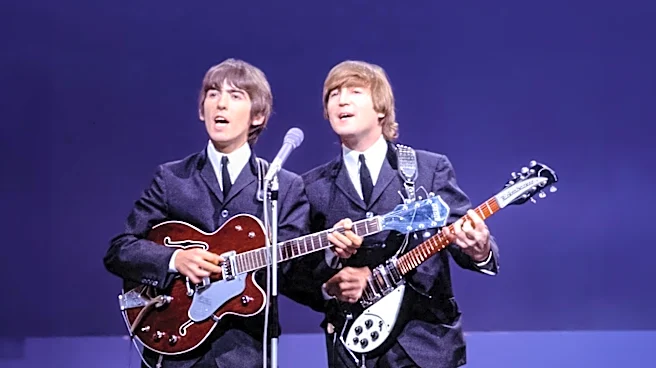
Paul McCartney has opened up about the challenging period following the Beatles' breakup, including his strained relationship with John Lennon and his own mental health struggles. McCartney described feeling a part of him died when the band dissolved,
leading to a 'mental breakdown' and increased drinking. He attributes his recovery to his family, particularly his late wife, Linda McCartney, who allowed him space to grieve. McCartney also addressed the public criticism from Lennon regarding his 1971 album, 'Ram,' which Lennon called 'awful.' McCartney believes Lennon 'expected more' from him and that his former bandmate's difficult behavior stemmed from a lifetime of anguish, including his father abandoning him and his mother's tragic death. Despite their post-Beatles differences, McCartney maintains his love and admiration for Lennon, acknowledging him as a 'mad guy' he looked up to, even while admitting Lennon 'could be a complete idiot over some things.'
Why It's Important?
This reflection from Paul McCartney offers a significant, personal perspective on one of the most iconic and influential musical partnerships in history. It sheds light on the profound emotional toll the Beatles' breakup took on its members, particularly McCartney, and the complex dynamics that continued to shape their individual careers and personal lives. Understanding the personal struggles and the nature of the relationship between McCartney and Lennon provides crucial context for fans and music historians alike, influencing how their solo works and legacies are perceived. It underscores the human element behind global superstardom, revealing vulnerability and the enduring impact of deep personal and professional bonds, even when fractured. The insights into Lennon's past traumas also offer a more nuanced understanding of his artistic output and public persona during that era.
What's Next?
While McCartney's reflections are retrospective, they contribute to the ongoing narrative and public understanding of the Beatles' legacy. These insights may influence future documentaries, biographies, or academic studies of the band and its members. Fans and scholars will likely continue to analyze these statements in conjunction with other historical accounts and artistic works to form a more complete picture of the post-Beatles era. The discussion of Lennon's personal history could also spark renewed interest in the psychological aspects of creative genius and the impact of early life experiences on artistic expression. This kind of candid reflection from a living legend often encourages further dialogue and re-evaluation of historical events and figures.
Beyond the Headlines
McCartney's candidness about his mental health struggles and reliance on family support highlights broader themes of coping with immense pressure and loss in the public eye. His experience resonates beyond the music industry, touching upon universal challenges of identity, grief, and resilience. The enduring fascination with the Lennon-McCartney dynamic, even decades after their collaboration ended, speaks to the power of creative partnerships and the public's desire to understand the personal lives of cultural icons. The narrative also subtly touches on the differing artistic paths taken by the former bandmates—Lennon's often grittier, politically charged work versus McCartney's more 'madcap' and upbeat compositions—suggesting how personal experiences and emotional landscapes can profoundly shape artistic direction and public reception.