




What's Happening?
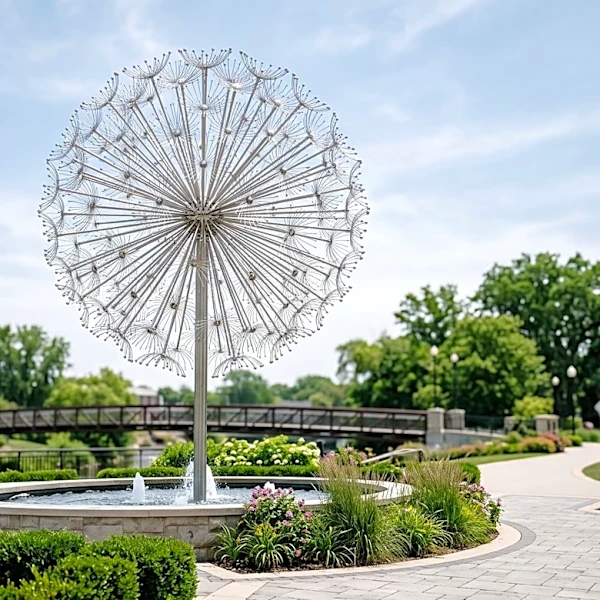
Kalamazoo, Michigan, is highlighted as a vibrant artsy city with a walkable downtown, situated between Fort Wayne, Indiana, and Grand Rapids, Michigan. The city's downtown features the Kalamazoo Mall, noted as the country's first outdoor pedestrian shopping
mall, offering independent shops, art galleries, and over two dozen restaurants and breweries. Kalamazoo boasts a thriving arts scene, including the Kalamazoo Institute of Arts, which offers free entry on Thursdays, and galleries within the Epic Center like the Black Arts and Cultural Center's Gail Sydnor Gallery and the James C. Westin Gallery. Monthly Art Hops allow visitors to explore local artists and their work. The city is accessible via Kalamazoo's Battle Creek International Airport, with nonstop flights from Chicago and Detroit. Culinary attractions include Caffe Casa, The Morning Dish, Studio Grill, Principle Food & Drink, and Bell's Eccentric Cafe, known for its craft beers and unique food menu.
Why It's Important?
Kalamazoo's emergence as a notable destination contributes to Michigan's growing tourism economy, offering an alternative or complementary experience to larger cities like Grand Rapids. Its focus on a walkable downtown, independent businesses, and a rich arts and culinary scene appeals to travelers seeking authentic local experiences. This development can stimulate local economic growth through increased visitor spending on retail, dining, and accommodations. The city's accessibility, with its own airport and proximity to major regional hubs, enhances its appeal for both short getaways and longer trips. Furthermore, the emphasis on local art and craft breweries supports small businesses and fosters a unique cultural identity, potentially attracting new residents and businesses looking for a vibrant community. The success of Kalamazoo's downtown revitalization can serve as a model for other mid-sized cities aiming to boost their local economies through tourism and cultural development.
What's Next?
As Kalamazoo gains recognition, it is likely to see continued growth in its tourism sector. This could lead to further development of its downtown area, potentially attracting more independent businesses, boutique hotels, and cultural venues. The city may also explore expanding its event calendar, building on the success of monthly Art Hops, to draw more visitors throughout the year. Local businesses, particularly those in the arts and hospitality sectors, can anticipate increased demand, which may lead to job creation and further investment. The city's marketing efforts may also intensify, targeting regional and national audiences to highlight its unique offerings. Continued collaboration between local government, business owners, and cultural organizations will be crucial to sustain this growth and ensure Kalamazoo remains an attractive destination.
Beyond the Headlines
Kalamazoo's success story reflects a broader trend in urban development where smaller cities leverage their unique cultural assets and community-focused initiatives to create vibrant urban cores. This approach contrasts with traditional models of urban growth that often prioritize large-scale commercial developments. The emphasis on pedestrian-friendly zones, local artistry, and craft food and beverage scenes fosters a strong sense of community and authenticity, which is increasingly valued by consumers. This model can lead to more sustainable economic development, as it relies on local entrepreneurship and cultural preservation rather than external corporate investment alone. The city's ability to blend its college-town atmosphere with sophisticated cultural and culinary offerings creates a distinctive identity that could inspire other cities to explore similar strategies for revitalization and economic growth.