





What's Happening?
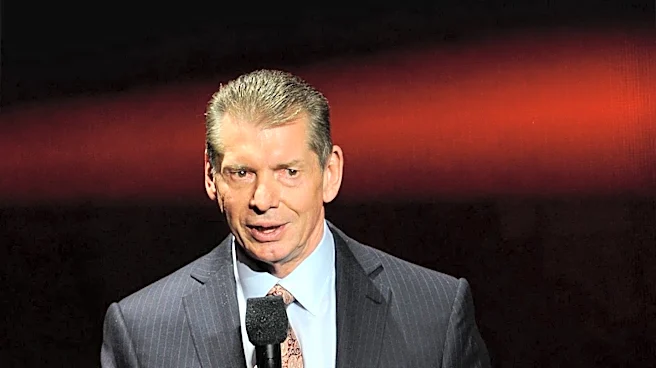
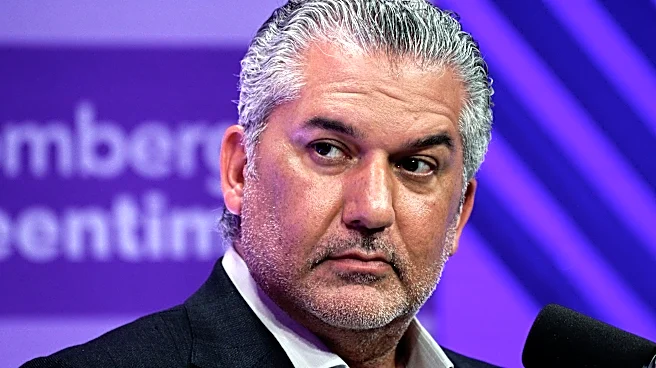
WWE President Nick Khan has been implicated in the ongoing lawsuit filed by Janel Grant against Vince McMahon, WWE, and former head of talent relations John Laurinaitis. Grant's affidavit alleges that Khan offered to leverage his industry connections
to help her find another job. This offer reportedly came as McMahon grew concerned that details of their relationship could become public. Grant's lawsuit, filed in 2024, accuses McMahon of sexual assault, coercion, and trafficking during her employment with the company. McMahon has consistently denied these allegations. The case has since moved from federal court to confidential private arbitration, an agreement finalized in July. This development follows McMahon's resignation from TKO Group Holdings, which occurred more than two years after a WWE board investigation in 2022 examined undisclosed payments to women, leading to his initial retirement as CEO. He briefly returned in 2023 before resigning again as TKO executive chairman after Grant filed her lawsuit.
Why It's Important?
The implication of WWE President Nick Khan in Janel Grant's lawsuit adds another layer of complexity to the ongoing legal challenges facing Vince McMahon and WWE. This development could significantly impact the public perception and corporate governance of WWE, now part of TKO Group Holdings. The alleged offer of job assistance by a high-ranking executive like Khan, if proven, could be interpreted as an attempt to manage or suppress information regarding the allegations, potentially raising questions about corporate accountability and ethical conduct within the organization. For WWE, this could lead to further scrutiny from investors, media, and the public, potentially affecting its brand image and financial performance. The involvement of a current president in such allegations could also influence future leadership decisions and internal policies regarding employee conduct and reporting mechanisms for harassment and abuse. The broader entertainment industry may also observe these proceedings closely, as they could set precedents for how similar allegations are handled at the executive level.
What's Next?
The lawsuit involving Janel Grant, Vince McMahon, WWE, and John Laurinaitis is currently proceeding in confidential private arbitration, following an agreement reached in June and finalized in July. This means that future developments and proceedings will likely not be publicly disclosed in detail, making it difficult to predict specific outcomes or timelines. However, the arbitration process will continue to address Grant's allegations of sexual assault, coercion, and trafficking. John Laurinaitis has already reached a settlement with Grant and has agreed to cooperate with her legal team, which could influence the arbitration's direction. The involvement of Nick Khan, as alleged, may be further explored during these confidential proceedings. Depending on the arbitration's findings, there could be significant financial implications for McMahon and WWE, as well as potential long-term impacts on their reputations and operational structures. Stakeholders, including investors and fans, will likely remain attentive to any public statements or outcomes that may emerge from this private process.
Beyond the Headlines
The allegations against Vince McMahon and the subsequent implication of WWE President Nick Khan in Janel Grant's lawsuit extend beyond immediate legal and corporate concerns, touching upon deeper ethical and cultural dimensions within the professional wrestling industry. This case highlights the power dynamics inherent in such organizations, where high-ranking executives may wield significant influence over employees' careers and personal lives. The alleged offer of job assistance by Khan, if substantiated, could be seen as an attempt to control narratives and mitigate potential damage, rather than addressing the underlying issues of alleged abuse. This raises questions about the responsibility of corporate leadership in fostering a safe and ethical work environment, particularly in industries where personal relationships and professional advancement can become intertwined. The ongoing scrutiny of WWE's corporate culture, stemming from multiple allegations against McMahon, could trigger broader shifts in how talent relations are managed and how complaints of misconduct are handled across the entertainment sector, emphasizing the need for transparency and accountability at all levels.