

What's Happening?
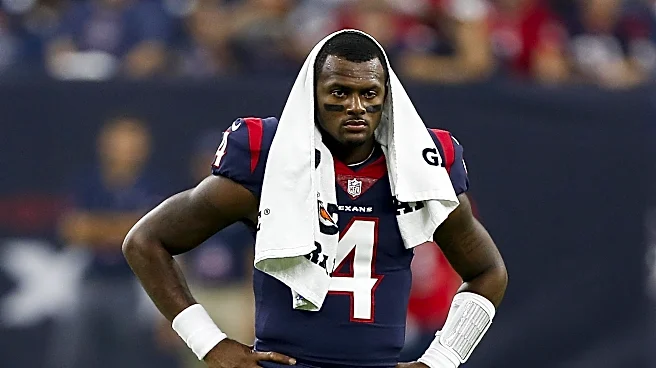
In 2021, Houston Texans CEO and Chairman Cal McNair hired Nick Caserio as the general manager, a decision that significantly displeased then-quarterback Deshaun Watson. According to ESPN's Sarah Barshop, Watson was already upset by the team's earlier
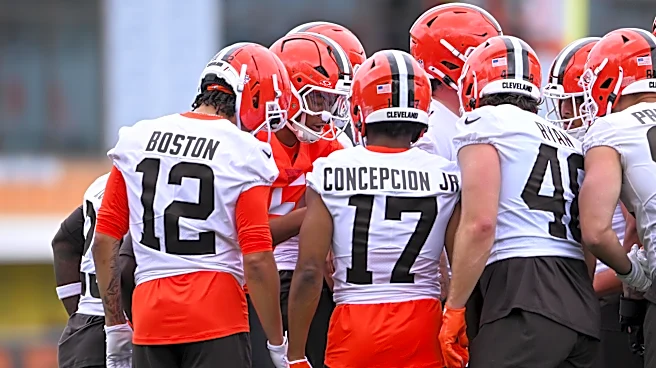
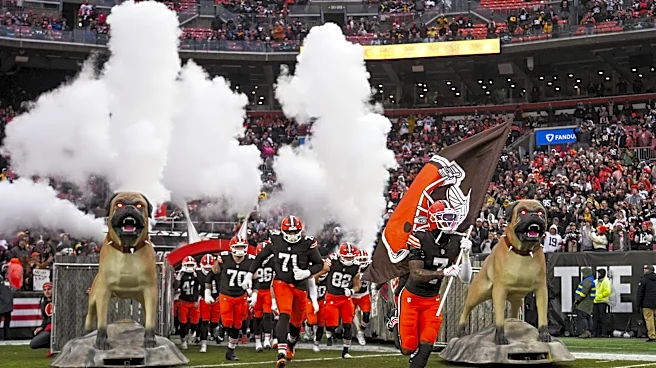
decision to trade DeAndre Hopkins without his knowledge. While McNair sought Watson's input on the general manager search, he largely disregarded it, opting for Caserio over candidates like Omar Khan or Louis Riddick. This perceived lack of consideration contributed to a growing rift between Watson and the Texans organization. Despite a record-setting contract extension with the Cleveland Browns after being traded, Watson's feelings of dissatisfaction with his former team have not subsided, especially as he now plays alongside former Texans teammate Tytus Howard.
Why It's Important?
This situation highlights the critical importance of player-management relationships in professional sports, particularly concerning star athletes. The disregard for Deshaun Watson's input on a key organizational hire, coupled with the earlier uncommunicated trade of a prominent teammate, demonstrates how such actions can erode trust and lead to significant player dissatisfaction. For NFL franchises, alienating a franchise quarterback can result in costly trades, loss of talent, and a negative impact on team culture and performance. The Texans ultimately traded Watson, indicating the severity of the breakdown in their relationship. This event underscores the need for transparent communication and genuine collaboration between team leadership and star players to maintain a cohesive and successful organization.
What's Next?
The lingering resentment from Deshaun Watson towards the Houston Texans, as evidenced by his comments after a recent victory against his former team, suggests that the emotional impact of the past organizational decisions continues to affect him. While Watson has moved on to the Cleveland Browns, his past experiences with the Texans could influence future interactions or perceptions within the league regarding player empowerment and team management. For the Texans, the fallout from this situation may serve as a cautionary tale, potentially prompting a reevaluation of how they engage with their star players in critical decision-making processes to prevent similar issues in the future. The continued success of Watson with the Browns, especially alongside former Texans players, could further emphasize the consequences of the Texans' past choices.
Beyond the Headlines
The dynamic between Cal McNair and Deshaun Watson extends beyond a simple personnel dispute, touching upon broader themes of power, influence, and player agency in professional sports. Watson's call for a 'culture shift' within the Texans organization, as noted by Barshop, suggests a deeper critique of the team's operational philosophy, particularly its perceived ties to the New England Patriots' system. This situation reflects a growing trend where star athletes are increasingly vocal about their desire for more involvement in team decisions and a greater say in the direction of their careers. The outcome for the Texans, losing a top-tier quarterback, serves as a stark reminder that ignoring player sentiment can have significant long-term consequences for a franchise's competitiveness and public image.