








What's Happening?
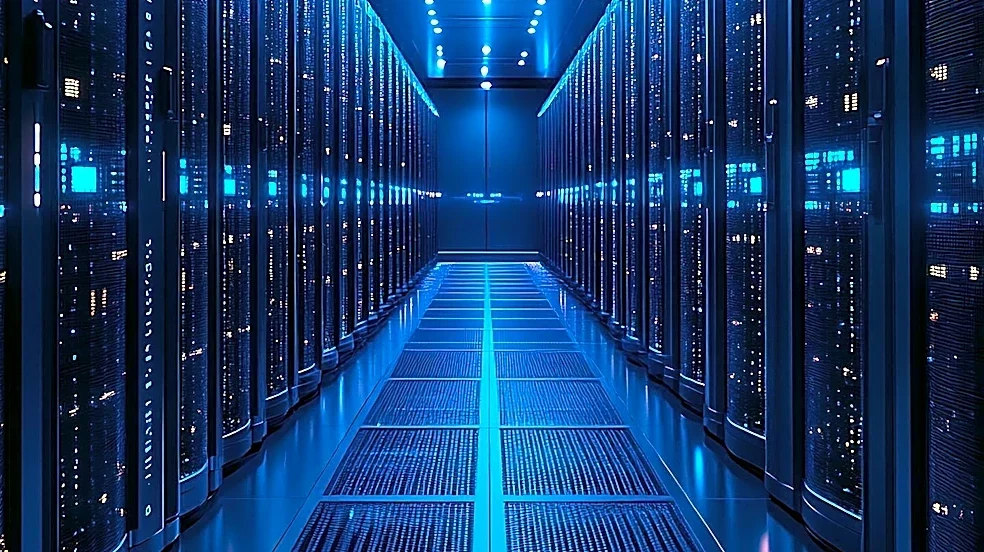
A new study published in Environmental Science & Technology reveals that approximately one in four data centers worldwide are located in regions where water demand exceeds supply for at least one month annually. This figure could rise to one in three
if global warming reaches 3 degrees Celsius above late 1800s levels. The study analyzed 9,347 facilities globally, finding that these data centers often share water sources like rivers, reservoirs, and aquifers with local homes, farms, and factories. Their estimated annual water consumption ranges from 313 billion to 764 billion liters, potentially doubling by 2030. In the United States, nearly four in ten data centers are located within its borders, and while 79% currently face no water stress, 21% experience at least one month of shortage per year. Under a 3-degree warming scenario, the affected share in the U.S. could increase to 35%. The study highlights that data centers, due to their operational needs and priority status, often secure water during shortages, potentially shifting the burden onto other local water users.
Why It's Important?
The increasing water consumption by data centers poses a significant environmental and societal challenge, particularly in water-stressed regions. As the digital economy expands, the demand for data centers grows, intensifying pressure on local water supplies. This can lead to competition for water resources between industry, agriculture, and residential users, potentially resulting in water restrictions for households or reduced irrigation for farms. The study suggests that the primary risk of water scarcity may not be to data center operations themselves, but to the communities and ecosystems sharing the same water basins. This issue has economic implications for agriculture and local businesses, and social implications for residents facing water shortages. It also raises questions about corporate responsibility and the sustainability practices of the technology sector, especially concerning the environmental footprint of digital infrastructure.
What's Next?
The study underscores the need for greater transparency regarding data center water usage and for strategic planning in their placement. As water scarcity becomes more prevalent, there will likely be increased pressure on data center operators to adopt more water-efficient cooling technologies and to disclose their water consumption data. Local governments and regulatory bodies may need to implement stricter water management policies, including assessing the water availability of potential data center sites and potentially imposing limits on water withdrawal during drought periods. The findings could also spur innovation in sustainable cooling solutions for data centers, such as air-cooling or recycled water systems. Furthermore, communities and environmental groups may advocate for policies that prioritize essential human and ecological water needs over industrial consumption during times of scarcity, potentially leading to new legal frameworks or public-private partnerships for water resource management.
Beyond the Headlines
The hidden water footprint of data centers reveals a critical ethical dimension of the digital age. While the convenience and connectivity offered by technology are widely embraced, the environmental costs, particularly concerning water, are often overlooked. This issue highlights the concept of 'digital sustainability' and the need for a more holistic understanding of how our online activities impact physical resources. The ability of data centers to secure water during shortages, often at the expense of other users, raises questions about equity and environmental justice. It challenges the notion that technological advancement can occur without significant resource implications. Culturally, there may be a growing awareness and demand for 'green' data, pushing companies to not only reduce their carbon footprint but also their water usage. This could lead to a shift in consumer and investor expectations, favoring companies that demonstrate strong environmental stewardship in their digital infrastructure. The long-term implications could include a re-evaluation of where data centers are located globally, favoring regions with abundant water resources or those that can support advanced water recycling technologies.