








What's Happening?
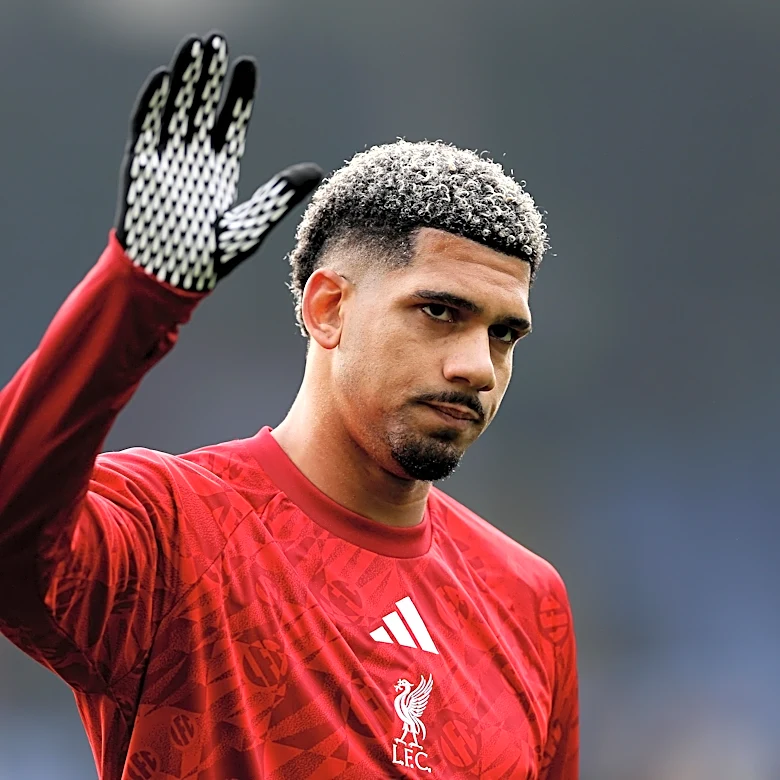
Virgil van Dijk, the Netherlands international and Liverpool captain, faces an uncertain future as his contract with the club is set to expire at the end of the current season. Having been with Liverpool for nearly nine years since his transfer from Southampton
in January 2018, the 35-year-old defender continues to be a crucial part of the team's defense and leadership structure. However, Liverpool has historically been hesitant to offer extensive contracts to players over 30, though exceptions were made for Van Dijk and Mohamed Salah last year. AC Milan has reportedly shown significant interest in acquiring Van Dijk, especially if they secure a return to the Champions League. Gazzetta dello Sport claims that AC Milan is actively tracking the defender, with RedBird Capital, which owns AC Milan and holds a stake in Liverpool's owners FSG, reportedly 'obsessed' with the idea of signing him. Other clubs, including Fenerbahce and Trabzonspor from Turkey, are also linked with a potential move.
Why It's Important?
The potential departure of Virgil van Dijk from Liverpool carries significant implications for both the player and the clubs involved. For Liverpool, losing a player of Van Dijk's caliber, leadership, and experience would create a substantial void in their defense. His ability to organize the backline, handle pressure, and lead the dressing room is difficult to replace, especially given his consistent performance despite his age. This situation forces Liverpool to balance sentiment, current performance levels, wage structure, and long-term planning. For AC Milan, securing Van Dijk would be a major coup, providing an elite, experienced addition to elevate their young squad and enhance their competitiveness in Serie A and the Champions League. His presence could offer a crucial reference point, bringing authority and calm to their defense. The transfer saga also highlights the evolving landscape of player contracts, where clubs must decide on extending deals for aging but still impactful players, while players weigh their desire to perform at the highest level against potential ambitions to play elsewhere before retirement.
What's Next?
The coming months will be crucial in determining Virgil van Dijk's future. As of January, Van Dijk will be eligible to sign a pre-contract with overseas clubs if no agreement is reached with Liverpool. While it would be unexpected for him to sign a pre-contract given his long service to Liverpool, the possibility remains. Liverpool's management will need to make a definitive decision regarding a contract extension, balancing the player's continued impact with the club's policy on older players. AC Milan is expected to intensify its pursuit, particularly if they secure Champions League qualification, viewing Van Dijk as an ideal summer arrival. Other interested clubs, including those from Turkey and Saudi Arabia, could also enter the bidding, potentially offering lucrative financial packages. The final decision will ultimately rest with Van Dijk, who will weigh sporting ambitions, contract length, and salary offers as he considers one of the final major decisions of his career before retirement.
Beyond the Headlines
The situation surrounding Virgil van Dijk's contract extends beyond a simple transfer decision, touching upon broader themes within professional football. It underscores the challenge faced by top clubs in managing the careers of legendary players as they approach the twilight of their playing days. The balance between loyalty, performance, and financial prudence becomes increasingly delicate. For players like Van Dijk, who have achieved significant success, the choice often involves more than just money; it includes the desire for new challenges, the opportunity to lead a different project, or the appeal of a specific league or club heritage. AC Milan's reported 'obsession' with Van Dijk, partly influenced by RedBird Capital's stake in Liverpool's ownership, also highlights the increasingly interconnected nature of global football ownership and the strategic advantages it can create in player recruitment. This scenario could set a precedent for how clubs handle contract negotiations with aging but still world-class talent, potentially influencing future transfer market dynamics for experienced players.