




What's Happening?
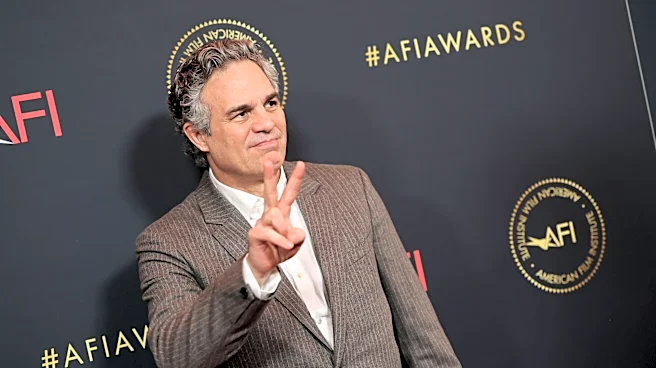
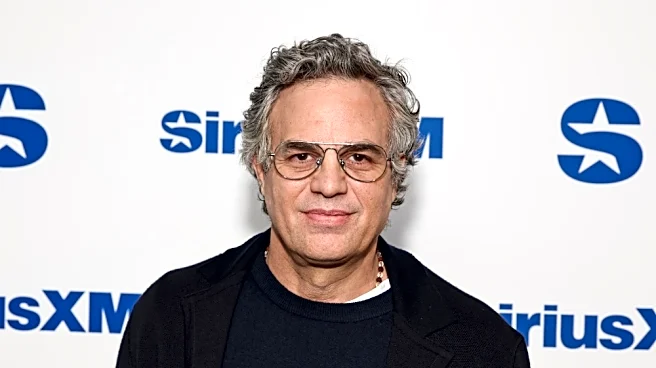
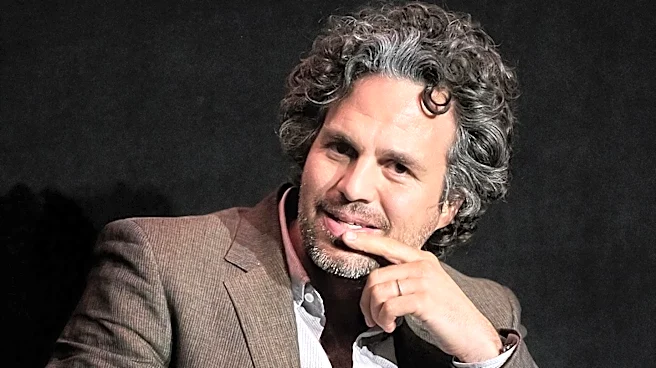
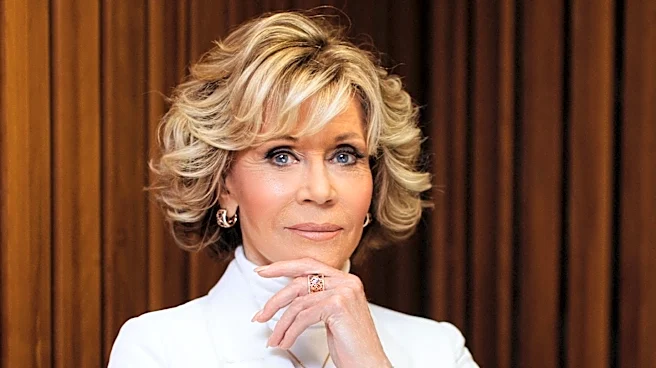
Actress Jane Fonda has issued a statement defending Mark Ruffalo after Paramount accused him of antisemitism. Ruffalo's comments, made on Instagram, criticized Oracle's provision of 'profoundly scary technologies' to the Israeli military following the October
7 attack. He also linked Oracle's co-founder, Larry Ellison, to a 'classic oligarch' and raised concerns about the proposed merger between Paramount and Warner Bros. David Ellison, Larry Ellison's son, is the CEO of Paramount Skydance. Paramount responded by stating it was 'troubled when antisemitic tropes are invoked in purported service of a business dispute,' and condemned the use of terms like 'genocide' and 'apartheid' in relation to a corporate transaction. Fonda, speaking as the founder of the Committee for the First Amendment, asserted Ruffalo's First Amendment right to speak on politics and corporations, calling Paramount's accusation a 'smear to delegitimize criticism of the merger.' Other figures, including 'Hacks' star Hannah Einbinder and producer Bruce Cohen, have also supported Ruffalo, with Cohen, a Jewish American, stating that false accusations of antisemitism are deeply troubling and should not be used to silence legitimate political criticism.
Why It's Important?
This dispute highlights the contentious intersection of corporate mergers, geopolitical conflicts, and freedom of speech within the entertainment industry. Paramount's accusation against Ruffalo, a prominent actor, for alleged antisemitic tropes in his criticism of a business deal involving figures with ties to Israel, raises questions about the boundaries of corporate speech and the potential for chilling effects on public discourse. The involvement of Jane Fonda and the Committee for the First Amendment underscores concerns about attempts to silence critics through accusations of prejudice. This situation could influence how public figures engage in political commentary, particularly when it intersects with corporate interests and sensitive international issues. The debate also brings to the forefront the role of major media companies in shaping narratives and the power dynamics involved when artists challenge those narratives, especially concerning significant business transactions like media mergers.
What's Next?
The immediate future may see continued public debate and reactions from various stakeholders within Hollywood and beyond. Mark Ruffalo has already defended himself on X, stating his criticism is political and not antisemitic. Further statements from Paramount or its executives regarding the merger and the controversy are possible. The Committee for the First Amendment, by re-launching to combat blacklisting and intimidation, indicates a potential for sustained advocacy in similar cases. This incident could also prompt other public figures to either voice support for Ruffalo or align with Paramount's stance, further polarizing opinions. The broader implications for the proposed Paramount-Warner Bros. merger remain to be seen, as public perception and scrutiny intensify due to these controversies. The entertainment industry may face increased pressure to navigate the complexities of corporate ethics, political stances, and accusations of prejudice.
Beyond the Headlines
This incident delves into deeper implications concerning the weaponization of accusations like antisemitism to deflect criticism, particularly in the context of corporate power and political influence. The debate touches upon the ethical responsibilities of technology companies providing advanced tools to militaries involved in conflicts, and the extent to which individuals associated with these companies should be scrutinized. Furthermore, it highlights the ongoing tension between corporate interests, freedom of expression, and the sensitivity surrounding the Israeli-Palestinian conflict. The involvement of prominent figures like Jane Fonda, with her history of activism, suggests a broader concern about the erosion of free speech in an environment where powerful entities can leverage serious accusations to silence dissent. This could set a precedent for how criticism of corporate actions, especially those with geopolitical ties, is received and potentially suppressed within the U.S. media landscape.