




What's Happening?
A recommended 10-day travel itinerary for Italy focuses on visiting Rome, Florence, and Venice, primarily utilizing the country's high-speed train network. This plan is designed for first-time visitors who prefer train travel over driving. The suggested
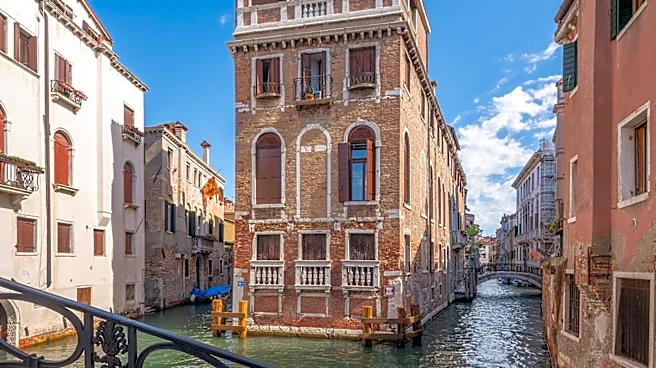
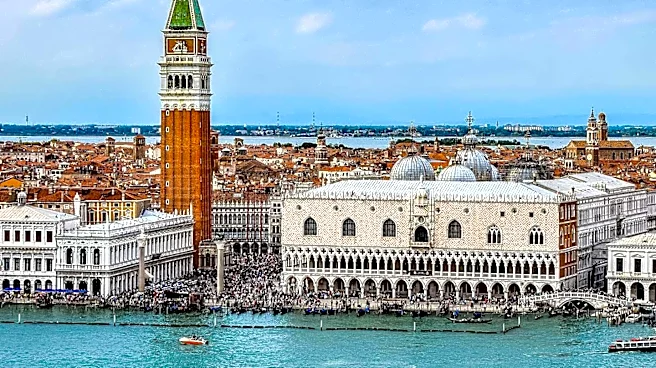
allocation of nights is four in Rome, three in Florence, and three in Venice, allowing for a balanced exploration of each city. Travel between these cities is efficient, with Rome to Florence taking approximately 1.5 hours and Florence to Venice around 2 hours by train. The itinerary advises splitting Rome into ancient and Renaissance/Baroque exploration days, dedicating time in Florence for major attractions like the Uffizi and Duomo, and exploring Venice's core and outer islands. It also notes that Venice charges a day-tripper access fee on specific dates, but overnight guests are exempt.
Why It's Important?
This itinerary offers a practical and efficient approach for U.S. travelers looking to experience Italy's major cultural hubs without the complexities of renting a car. By emphasizing train travel, it simplifies logistics, avoids city-center driving restrictions (ZTL zones), and reduces travel stress, making it an attractive option for many tourists. The structured allocation of days ensures visitors can thoroughly explore each city's historical and cultural offerings, maximizing their experience. The detailed advice on booking tickets in advance and understanding local regulations, such as Venice's access fee, helps travelers plan more effectively and avoid unexpected costs or inconveniences. This approach supports a growing trend among tourists seeking more sustainable and less car-dependent travel options in Europe.
What's Next?
Travelers planning a similar trip to Italy should continue to monitor updates regarding Venice's access fee, as dates and pricing are subject to annual review and announcement by the Comune di Venezia. It is advisable to book train tickets several weeks in advance to secure better fares, as walk-up prices tend to increase closer to the travel date. For those considering extending their trip, options include adding car-dependent regions like Tuscany or the Amalfi Coast, or incorporating other cities like Bologna or Milan. The flexibility of this train-based core allows for various extensions, catering to different trip lengths and interests. Future travel planning tools may further integrate real-time updates on local fees and transportation schedules to enhance the traveler's experience.
Beyond the Headlines
This itinerary highlights a broader shift in how U.S. tourists approach European travel, favoring immersive cultural experiences and efficient, environmentally conscious transportation. The reliance on Italy's robust high-speed rail system not only offers convenience but also reduces the carbon footprint associated with travel, aligning with increasing global awareness of sustainable tourism. Furthermore, by providing a clear, structured plan, it empowers travelers to navigate a foreign country with confidence, fostering a deeper engagement with local culture and history. The detailed breakdown of activities and logistical considerations also serves as a template for independent travel, encouraging more personalized and self-directed exploration beyond traditional guided tours.