









What's Happening?
A recent report by LendingTree highlights that California homeowners insurance rates have increased by 53.7% since 2020, despite remaining 41% below the national average. The average annual cost for California homeowners is $1,413, compared to the national average of
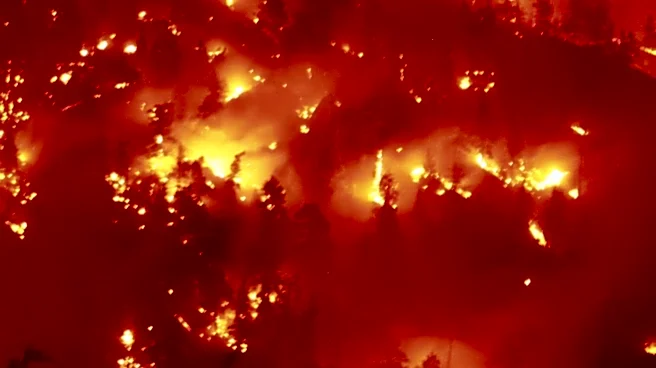
$2,395. The report attributes the rise in insurance rates to severe weather losses and increased costs of labor, materials, and repairs. Colorado experienced the largest cumulative increase in rates, with a 100.8% rise from 2020 to 2025. The report also notes that Oklahoma, Nebraska, and Colorado have the highest average rates, while Hawaii, Vermont, and New Hampshire have the lowest. The California Department of Insurance has reported that insurers have paid over $23.7 billion due to the Los Angeles wildfires, which have exacerbated the state's insurance crisis.
Why It's Important?
The significant increase in homeowners insurance rates in California and other states reflects broader national trends driven by climate-related disasters and economic factors. This rise impacts homeowners' financial burdens, particularly in states prone to natural disasters like wildfires. The insurance industry's response, including rate hikes and policy adjustments, highlights the challenges of balancing risk management with affordability. The situation underscores the need for regulatory measures to ensure fair pricing and availability of insurance coverage, especially in high-risk areas. The ongoing adjustments in the insurance market could influence future policy decisions and economic stability for homeowners.
What's Next?
In response to the insurance crisis, California regulators have implemented measures to expedite rate request reviews and allow forward-looking catastrophe modeling. Some insurance carriers, like The Travelers Companies, are expanding their offerings in California, while others are adjusting their policies to manage risk. These developments suggest a potential stabilization of the market, although the impact of future climate events remains uncertain. Homeowners and insurers alike will need to adapt to evolving conditions, and further regulatory actions may be necessary to address ongoing challenges in the insurance sector.