




What's Happening?
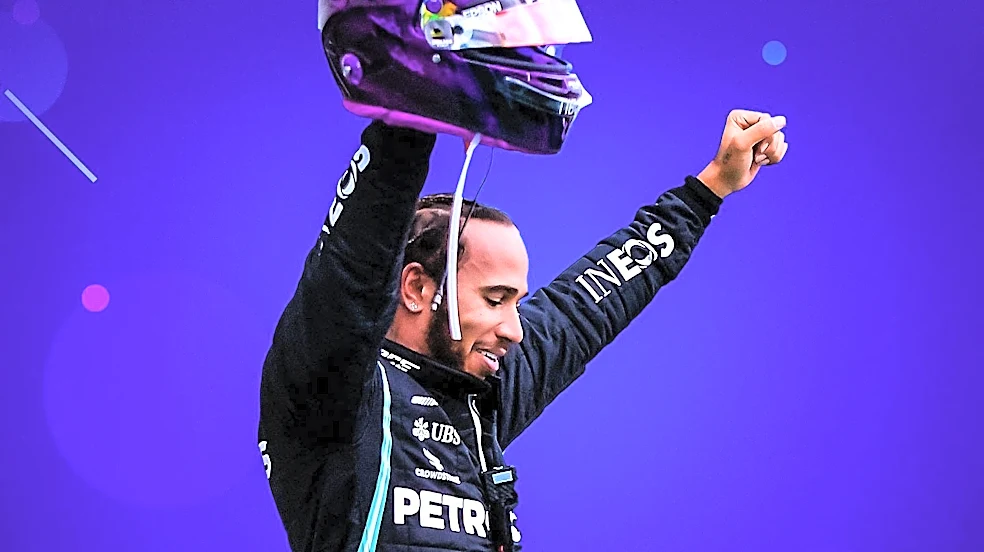
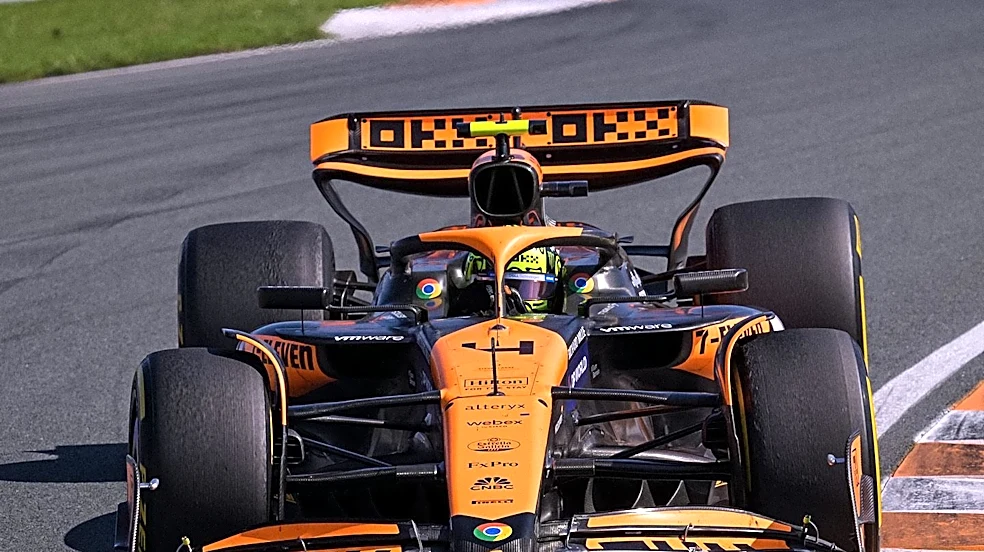
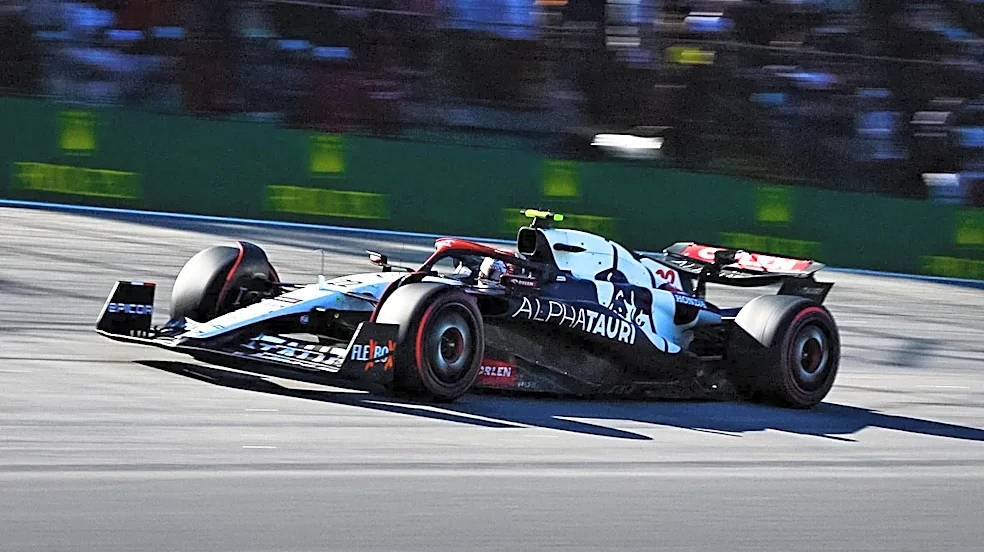
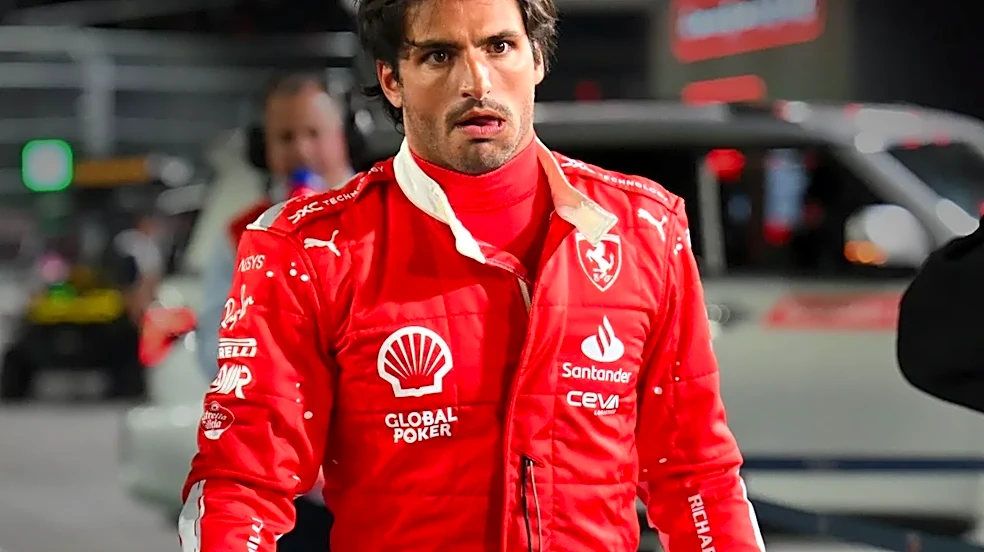
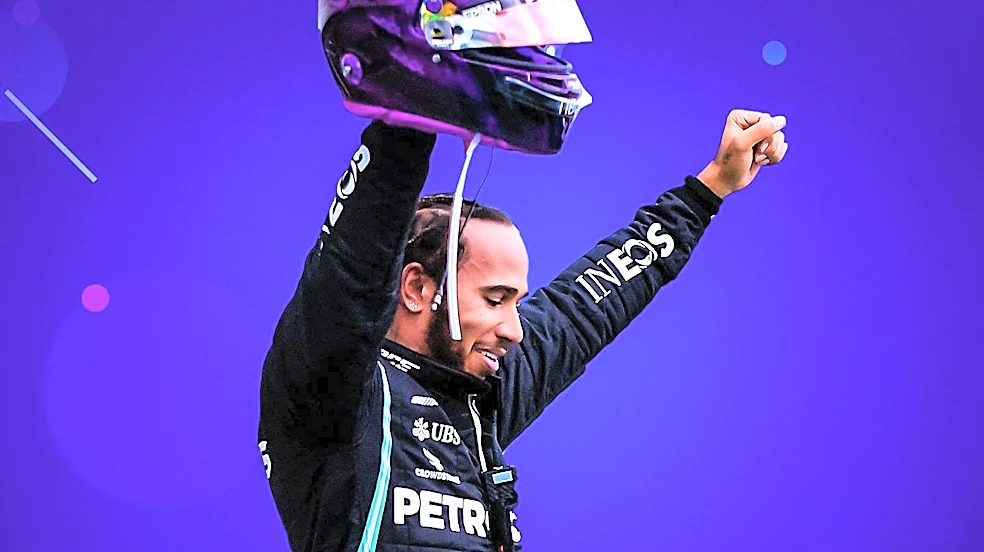
Lewis Hamilton, a prominent figure in Formula 1, has voiced his disapproval of the increasing prevalence of tarmac run-off areas on modern F1 circuits. He expressed a preference for the traditional use of grass and gravel at corners, a feature that has been
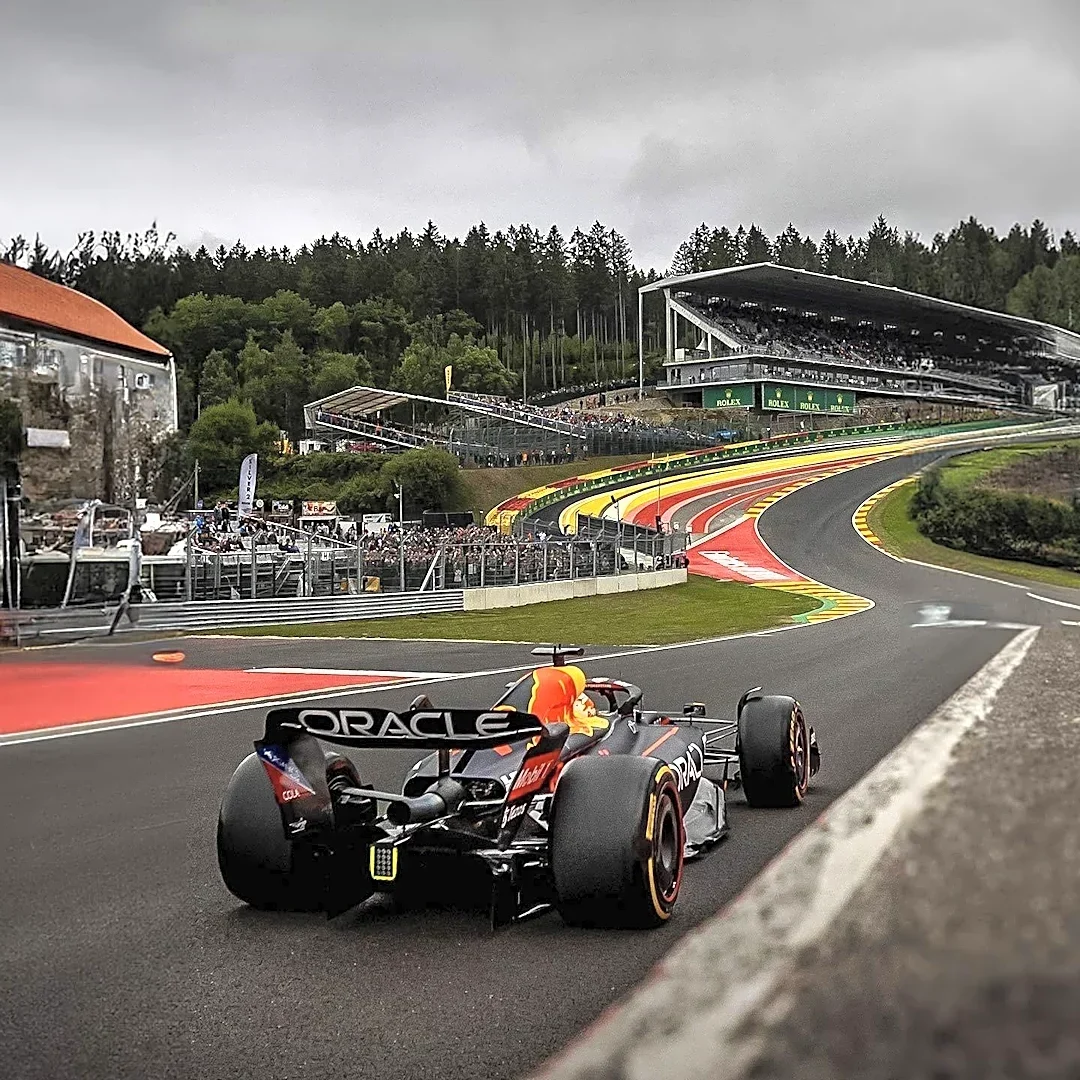
progressively phased out. Hamilton, who debuted in 2007, noted that races were more physically demanding earlier in his career and linked this to the change in circuit design. He specifically mentioned the Circuit of the Americas in Austin as an example of a venue that has adopted asphalt run-offs. While tarmac allows drivers to rejoin without significant damage after running wide, Hamilton believes the shift has altered the nature of racing. He highlighted that the argument for tarmac often centers on allowing drivers to recover without wrecking their cars and the practical cost of reconfiguring track limits for various racing series that use the same circuits.
Why It's Important?
Hamilton's critique of modern F1 track limits highlights a significant debate within motorsport regarding safety, driver skill, and the integrity of racing. The move from natural surfaces like grass and gravel to tarmac run-offs has been driven by safety concerns, aiming to reduce the risk of severe accidents and car damage. However, this change also removes a natural deterrent for drivers exceeding track limits, potentially encouraging less precise driving and reducing the challenge of navigating corners. This shift impacts the strategic elements of racing, as drivers can push boundaries with less immediate consequence. The discussion also touches upon the evolution of Formula 1, balancing the pursuit of higher speeds and safety with the preservation of traditional racing challenges and the raw skill required from drivers. The financial implications for circuits, which often host multiple racing series, also play a role in these design decisions.
What's Next?
The ongoing debate regarding track limits and circuit design is likely to continue within Formula 1. While immediate changes to existing circuits are unlikely due to the significant financial and logistical investments involved, Hamilton's comments could influence future circuit designs or modifications. Discussions among drivers, team principals, and the FIA (Fédération Internationale de l'Automobile) may intensify, potentially leading to a re-evaluation of the balance between safety and traditional racing challenges. The sport might explore hybrid solutions or stricter penalties for exceeding track limits on tarmac run-offs to address driver concerns while maintaining safety standards. The upcoming races, particularly those on circuits with extensive tarmac run-offs, may see renewed attention on how track limits are enforced and how they impact race outcomes.
Beyond the Headlines
The shift in F1 track design reflects a broader trend in professional sports towards prioritizing safety and minimizing risks, sometimes at the expense of traditional elements that once defined the sport's challenge. This evolution raises questions about the essence of racing and what constitutes a true test of a driver's skill. The 'risk-averse' changes, as some describe them, could inadvertently diminish the spectacle of racing by making it more forgiving. There's an ethical dimension to balancing driver safety with the desire for competitive, challenging races. The long-term implications could include a generation of drivers less accustomed to the unforgiving nature of traditional circuits, potentially altering the skill sets valued in Formula 1. This discussion extends beyond F1, resonating with other sports grappling with how to modernize while preserving their core identity and appeal.