




What's Happening?
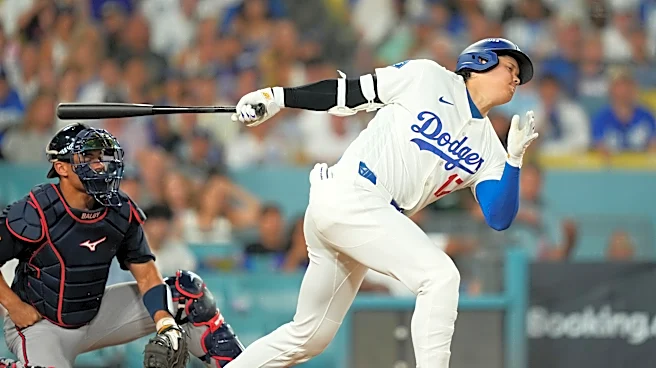
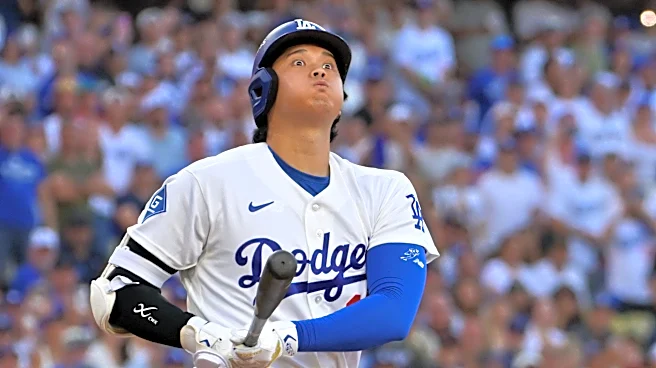
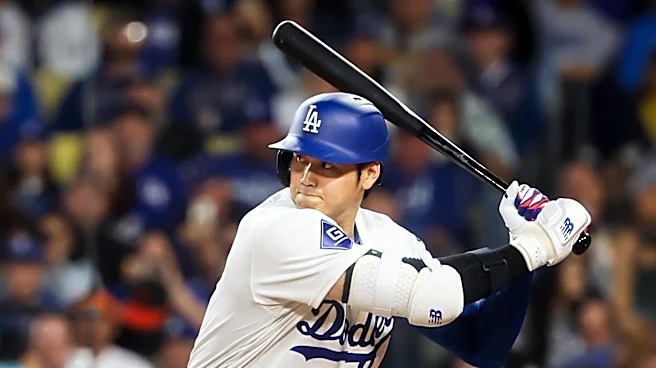
Los Angeles Dodgers manager Dave Roberts has moved star player Shohei Ohtani to the No. 5 spot in the batting order for Game 3 of the National League Division Series against the Atlanta Braves. This marks Ohtani's lowest batting position since the 2020
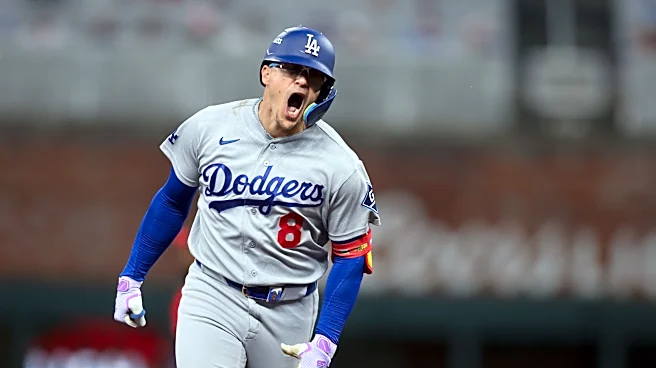
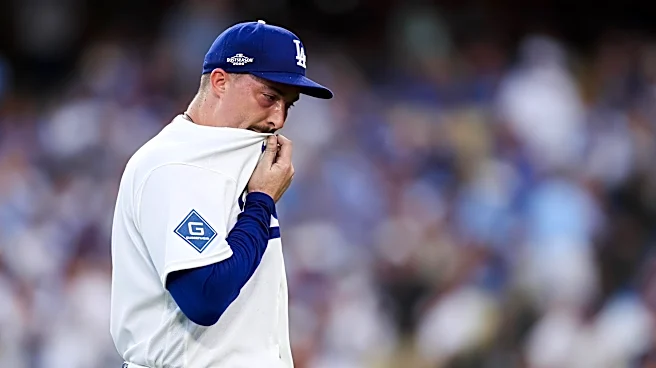
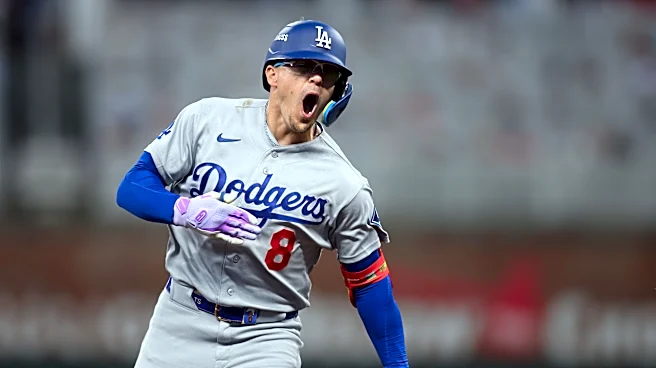
season when he was with the Angels. The decision was made to counter Braves left-handed pitcher Chris Sale, against whom Ohtani has historically struggled, holding a 3-for-15 record with no home runs and one RBI in previous matchups. Roberts indicated that Ohtani has been 'chasing pitches off the plate' and that the adjustment is a one-day strategy to give the Dodgers a better chance against Sale. Ohtani, who hit .275 with 30 homers and 81 RBIs during the regular season, had only two hits and two strikeouts in eight at-bats in the first two games of the series. Other lineup changes include inserting right-handed hitters Kiké Hernández and Miguel Rojas into the starting lineup, replacing left-handed-hitting Max Muncy and switch-hitter Tommy Edman, respectively, to optimize the team's approach against the left-handed Sale.
Why It's Important?
This strategic lineup change for Shohei Ohtani highlights the high-stakes nature of postseason baseball and the tactical decisions managers make to gain an advantage. Ohtani's move down the order, despite his MVP-caliber regular season performance, underscores the Dodgers' urgency to address his recent struggles and maximize their offensive output against a formidable opponent like Chris Sale. For the Dodgers, a team with significant championship aspirations, optimizing every at-bat is crucial, especially after a two-game split in the series. The decision also reflects a manager's willingness to make difficult choices involving star players for the collective good of the team, potentially influencing team morale and individual player performance. If successful, this move could set a precedent for how teams manage slumping star players in critical playoff situations, prioritizing matchup advantages over traditional batting order conventions. Conversely, if the change does not yield the desired results, it could intensify scrutiny on both Ohtani's form and Roberts' managerial choices.
What's Next?
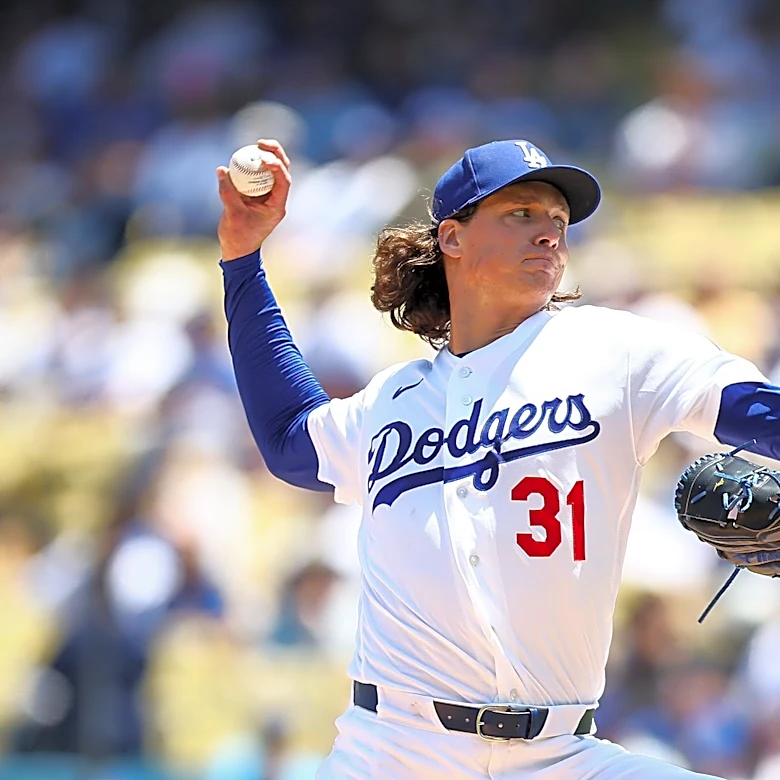
Following the Game 3 adjustment, Dodgers manager Dave Roberts has stated that he does not anticipate Ohtani batting fifth in Game 4, which will be against Braves right-hander Tyler Mahle. This indicates that the lineup change is a specific tactical response to Chris Sale's left-handed pitching rather than a permanent shift in Ohtani's role. The Dodgers will closely monitor Ohtani's performance in Game 3 to assess the effectiveness of this strategic move. The team's overall offensive performance in Game 3 will also be critical in determining future lineup decisions for the remainder of the series. Should the Dodgers advance, Roberts will likely continue to tailor the batting order based on opposing pitchers, player form, and specific game situations. Ohtani's ability to regain his plate discipline and contribute offensively will be a key factor in the Dodgers' postseason success, regardless of his batting position.
Beyond the Headlines
The decision to move Shohei Ohtani down in the batting order, even temporarily, carries broader implications beyond immediate game strategy. It reflects the evolving understanding of player management in modern baseball, particularly for multi-talented athletes like Ohtani who are managing injuries and high expectations. The willingness of a star player to accept such a change, as Ohtani reportedly did, speaks to a team-first mentality that can be crucial for deep postseason runs. This situation also highlights the psychological aspect of sports, where a change in routine or role can either alleviate pressure or add to it. Furthermore, it underscores the increasing reliance on advanced analytics and matchup data in baseball, as managers make data-driven decisions to optimize performance against specific opponents. The outcome of this strategic adjustment could influence future managerial approaches to star players in similar situations, balancing individual talent with situational advantages.